A full machine against a half machine
Sep 20, 2026
Short answer: A full machine uses almost the same water and power as a half load. That makes a full machine twice as efficient per garment. But full does not mean crammed.
Consumption is almost fixed
The amount of water and heating changes little with the amount of clothes. So a half load of long sleeve styles costs almost the same as a full one. The machine has to fill with water and heat it whether there are few or many items in the drum. That is the biggest cost, and it is roughly the same every time.
The maths per garment
Since use per wash is nearly fixed, the cost per garment depends on how much is in the machine. Wash twice as many items at once and you use almost half as much per item. Over a year of washing, that adds up to a noticeable difference in water, power and detergent.
But not completely full
An overfilled drum washes worse and does not rinse properly. Leave a hand's width of space above the clothes, also for bamboo slips. Clothes need to tumble in the water, because the movement loosens the dirt. Pressed together, parts of the load are not washed properly and detergent stays in the fabric.
Aim for three quarters
A good rule is to fill the drum three quarters full with a hand's width of space at the top. Lay your hand on the clothes: if it rests flat without pressing them down, that is right. Light items such as underwear and t-shirts take up more space than they weigh, so go by space rather than weight.
Sorting costs a half load
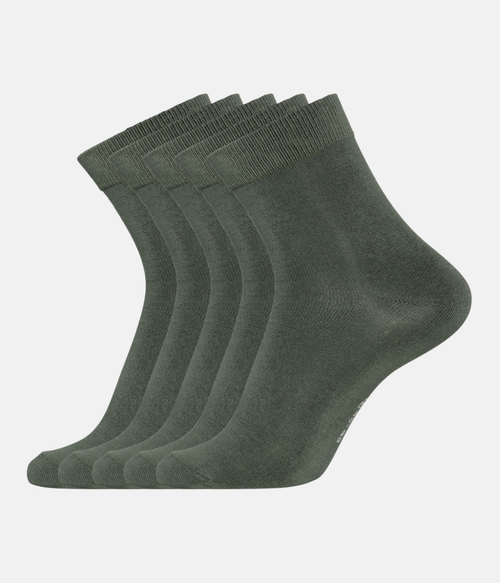
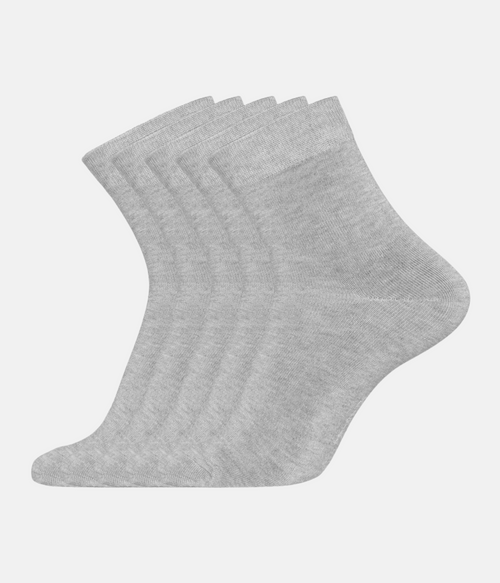
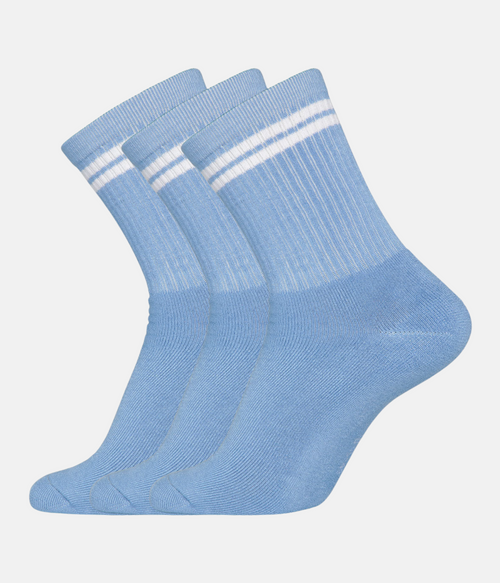
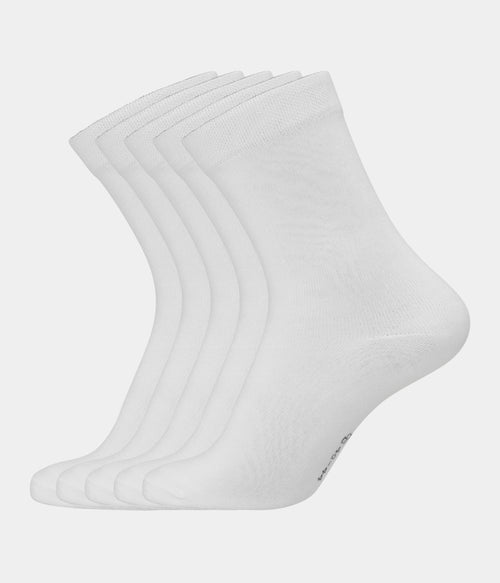
Sort too finely and you end up with more half loads. Combine darks and lights into two piles instead of five, and add socks for men and women to both. Most everyday items handle the same temperature and cycle, so there is rarely a reason to split them into many small washes.
Wait until the machine is full
It is tempting to wash tomorrow's jumper straight away. With a little planning, you can gather enough for a full load. If you have clothes for a few days, waiting is easy. Every wash is then put to good use, and you wash less often.
When a half load makes sense
There are times when a smaller wash is right. Delicate items get room to move without hard friction, which reduces wear. If the machine has a half load setting, it uses a little less water. Day to day, though, it is usually better to gather clothes and wash a full load, as long as the drum is not crammed.
Adjust the detergent
A full machine needs the dose for a full machine and no more. A half load needs less. Use the measuring cap and match the amount to how many clothes are actually in the drum. That avoids residue in the fabric and gets the most out of every wash.
Frequently asked questions
How full should a machine be
Three quarters full with a hand's width of space at the top, so clothes can still move freely in the water.
How much do you save
Up to half per garment compared with half loads, because water and power are almost the same per wash.
Does an overfilled machine wash worse
Yes, clothes cannot move and do not rinse properly, so dirt and detergent can stay in the fabric.