A plan for buying less
Sep 20, 2026
Short answer: Count what you have, write down what you need and buy only from the list on a fixed day. These three steps remove most unnecessary buying, and they need neither apps nor big changes to daily life.
Count first
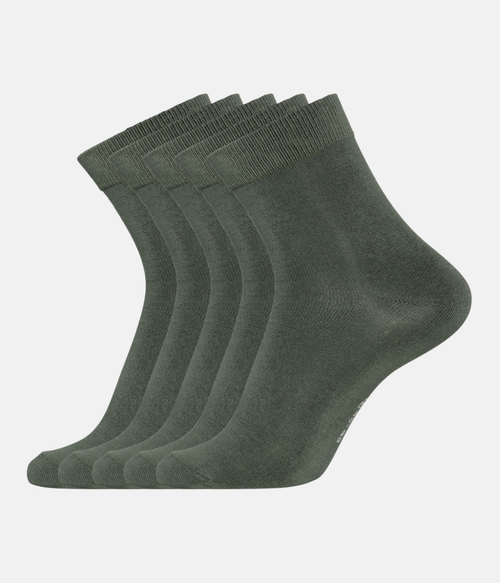
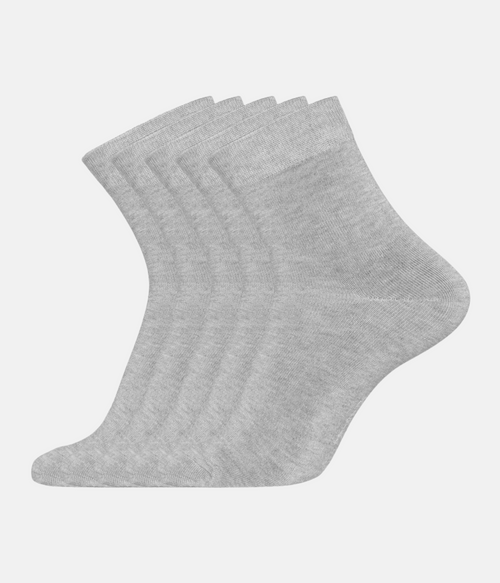
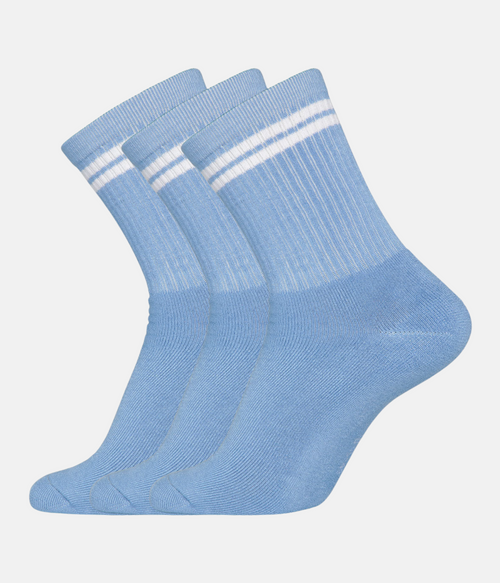
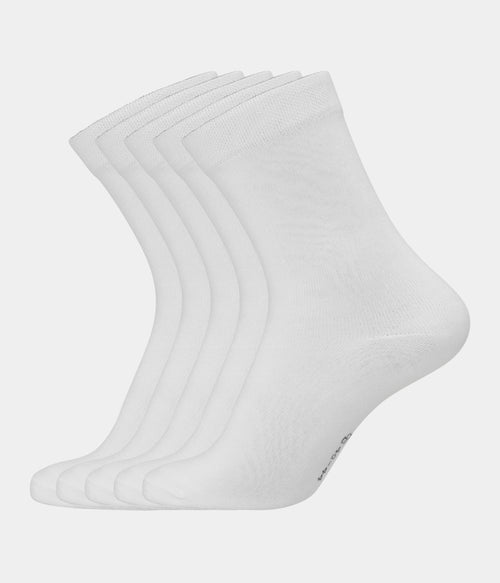
Most people do not know exactly how many of each type they own, which is why things get bought twice. Count bamboo panties and socks first, as these are most often overbought. Lay everything on the bed, sort by type and write the number on a note or in your phone.
Sort while you count
Counting is also a good chance to check condition. Put worn items in a separate pile. Some can be mended, others can become cloths, and the rest can go to textile collection. You end up with an overview of what you actually wear, not just what sits in the drawer.
A list that matures
A need still on the list after a month is real. Most others disappear by themselves, including for socks for women. Write down everything you think you need, with the date next to it. After a month, cross out what you no longer miss.
Why the wait works
Many purchases happen because something looks good in the moment or is on offer. The wait gives room to think about whether the need is real. Often you find you already have something that covers it, or the urge has passed. What remains is what you truly need.
A fixed shopping day
Four fixed shopping days a year cover both season changes and sales while removing spontaneous buying. Put them in the calendar, for example at each change of season. See what is actually missing in women's most popular and buy only what is on the list. Everything else waits for the next shopping day.
Buy fewer but better items
When you buy less often, it is easier to choose with care. Pick items that go with what you already own and can be worn often. Several identical pieces of what you use most also make rotation easy, so each lasts longer. That gives a wardrobe that works rather than one that is full.
What to do about offers
Offers are tempting, but an offer on something you do not need is not a saving. Check the list before buying. If the item is on it, an offer can be a good reason. If not, leave it. With a fixed shopping day that falls during a sale, you miss nothing either.
A plan that lasts
The plan works because it is simple. Count twice a year, keep the list updated and buy on fixed days. You do not have to be strict with yourself, as the system does most of the work. After about a year, you know your habits better and the wardrobe is easier to manage.
Frequently asked questions
How much less do people buy
Twenty to thirty percent for most people, once the three steps are part of daily life.
How often should I count
Twice a year is enough, for example at the change to summer and winter.
What if something breaks
Then buy it, but only that. Replacing something broken does not have to wait on the list.