A T-shirt in summer, what the material means
Sep 12, 2026
Short answer: In summer, the material decides how quickly sweat leaves the skin. A fabric that absorbs and releases moisture feels cooler than one that holds on to it. Colour and fit matter too, but the material is the first thing to look at.
Evaporation is what cools
When moisture evaporates from the surface of the fabric, it draws heat away from the body. This only works if the fabric first absorbs the moisture and then releases it. A fabric that does both keeps the skin drier and feels cooler on warm days. That is where bamboo viscose differs, as in women's most popular styles.
Dense synthetic fabrics are warmest
Fabrics that neither absorb nor release moisture trap it between skin and fabric. It gets clammy, and the T-shirt sticks to your back when you sit down. You notice it most in the car, on the train or in an office chair. Choose a fabric that works with moisture instead, as in the most popular Copenhagen Bamboo styles.
Cotton and bamboo viscose
Cotton absorbs moisture well but releases it slowly. That is why a cotton T-shirt can turn heavy and clammy on a warm day, even if it felt light in the morning. Bamboo viscose also absorbs moisture but lets it evaporate faster. You notice the difference most when you move a lot or spend the day outside.
Colour and fit matter too
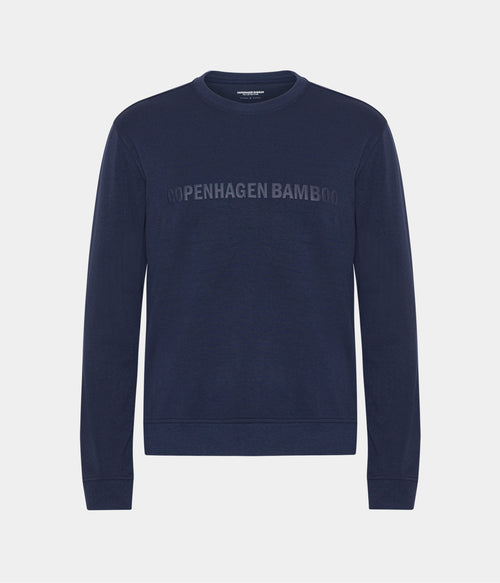
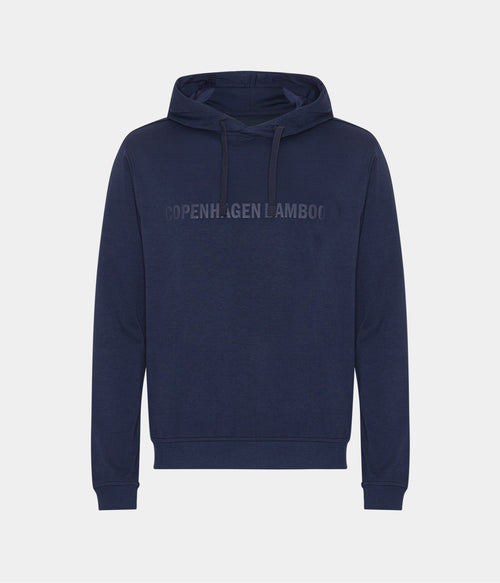
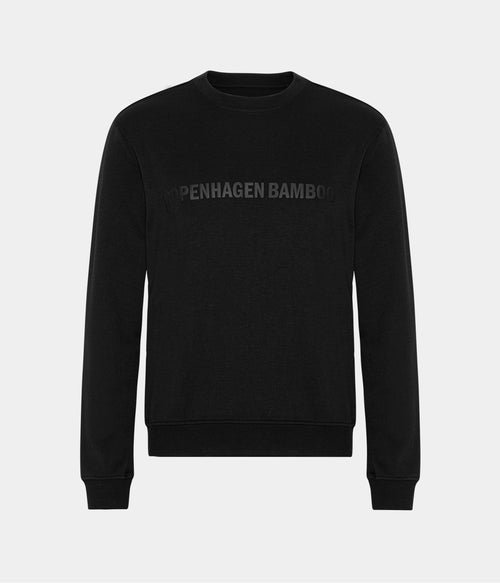
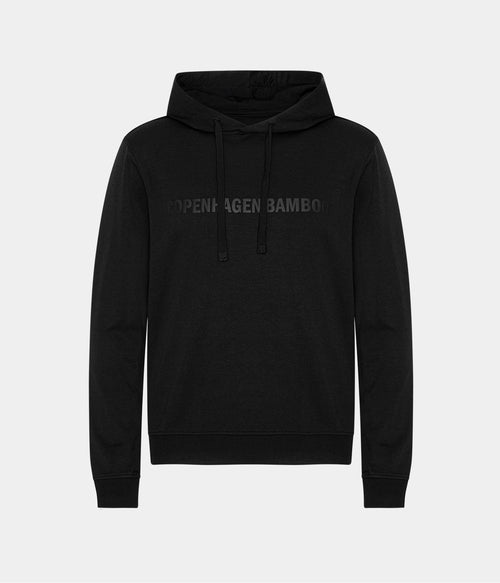
Light colours reflect more sunlight than dark ones, so they stay cooler in direct sun. A looser fit leaves air between fabric and skin, which helps moisture evaporate. Both help, but they do not replace a fabric that works. For cooler summer evenings, see the fits in bamboo sweatshirts for women.
Fabric thickness
A thin fabric lets air pass more easily and dries faster than a thick one. For the hottest days, a light T-shirt is the best choice. A slightly thicker fabric can feel nice in the morning and evening when the temperature drops. With both in the drawer, you can choose by the weather and your plans.
Summer at work
At the office in summer, you move between heat outside and air conditioning inside. A T-shirt that handles moisture on the way in and does not feel cold when you sit still makes the day more comfortable. Bring a thin cardigan or sweatshirt to put on when the room gets cool.
Wash more often in summer
You sweat more in summer, even when you do not notice it. Wash the T-shirt after each wear at 30 to 40 degrees and dry it in the shade so the colour does not fade in the sun. Avoid fabric softener, which can build up in the fabric and reduce how well it absorbs moisture.
What to choose
For warm days, the best choice is a thin T-shirt in a material that absorbs and releases moisture, in a light colour and with a fit that leaves some air. With two or three of them, you can change every day, even in a heatwave. Think of the material first and the colour last.
Frequently asked questions
Is cotton cooler than bamboo
Cotton absorbs moisture well but releases it slowly and can turn clammy. Bamboo viscose dries faster and therefore often feels cool for longer at a time.
Which colour is coolest
Light colours in direct sun, because they reflect more light. Indoors and in the shade, colour makes almost no difference to how warm the T-shirt feels.
Should the T-shirt be loose in summer
Slightly loose leaves air between fabric and skin. Too loose and it flaps around, touching the skin too little for the fabric to carry moisture away.