Altitude and temperature
Sep 12, 2026
Short answer: Temperature drops by around six degrees for every thousand metres you climb. It holds whatever the season and is one of the most predictable rules there is, so work out your clothes for the altitude before you set off.
Six degrees per thousand metres
From sea level to two thousand metres the difference is around twelve degrees. If it is twenty degrees on the coast, it can be around eight on the mountain the same day. Many people pack for the weather at the hotel and are surprised higher up. The rule is simple and worth knowing before any trip.
The rule holds all year
It is easy to think this only applies in winter, but the rule holds in any season and anywhere in the world. A warm summer day in the valley can be cool at the top. So always bring an extra layer when you head up, even if it is warm when you leave in the morning.
The layer next to your body
Walking uphill makes you sweat, and when you stop at the top it gets cold quickly. The layer next to your body has to handle both. A thin, soft layer that does not turn clammy is a good start, and you can build on top as needed. See bamboo underwear for men.
The sun gets stronger at the same time
As the air gets colder, the radiation gets stronger. There is less atmosphere above you to soften the sun. That means you can feel cold and get sunburnt at the same time. Cover your skin with clothing where you can, and use sun cream on skin that stays bare, even when it feels cool.
Wind picks up with height
Higher up there is less shelter and more wind. The trees and buildings that slow the wind in the valley are gone. Wind makes the temperature feel lower than it is. So add an extra layer on top of what you worked out from the altitude alone, especially if you plan to rest at the top.
Your legs need layers too
Many people only think about the upper body, but legs feel the cold and wind as well. Soft trousers that are easy to move in are good to have when the temperature drops. Pull them over shorts or wear them alone on a cool morning. See bamboo sweatpants for men.
Your feet keep the day going
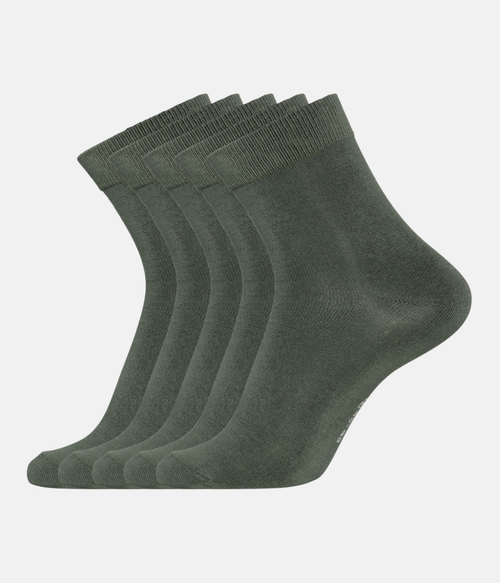
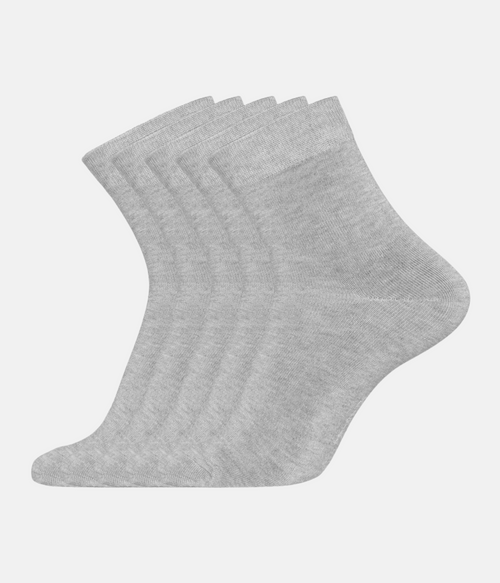
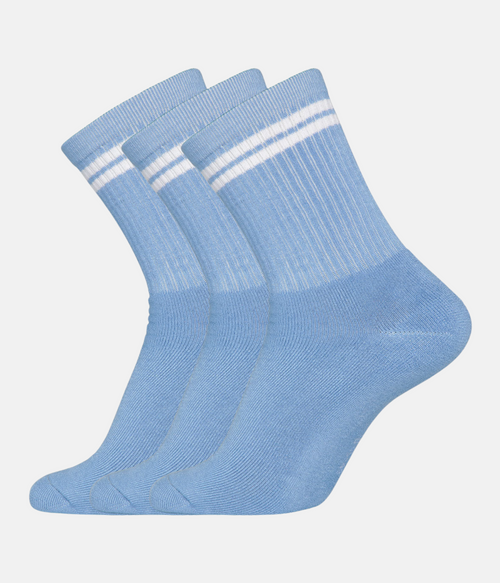
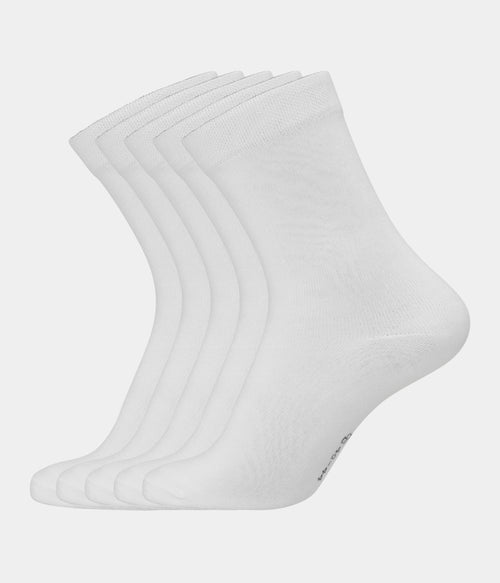
Cold or wet feet can spoil an otherwise good trip. Choose socks that fit well without bunching in the shoe, and pack a spare pair. Change into dry socks during a break if your feet got damp on the way up. See bamboo socks for men and women.
Work it out before you go
Find out how high you are going and what the temperature is where you start. Subtract six degrees for every thousand metres and add a layer for the wind. That gives you a realistic idea of what to bring. It takes a minute and saves you many cold hours.
Frequently asked questions
How much does temperature drop with altitude
Around six degrees for every thousand metres. The rule holds regardless of season and location, which makes it easy to use when planning.
Why is the sun stronger at altitude
Because there is less atmosphere above you to soften the radiation. That is why you can get sunburnt even in frost, and your skin should be covered.
How do you plan your clothes
Work out the temperature for the altitude before you leave, and add an extra layer for the wind, especially if you plan to rest at the top.