Bamboo viscose against merino wool
Sep 12, 2026
Short answer: Merino wool is finer than ordinary wool and rarely itches. It insulates better, but bamboo viscose costs less, handles more washes and feels cooler. The choice depends on whether you want to stay warm or have a light layer you can wash after every wear.
Warmth versus cooling
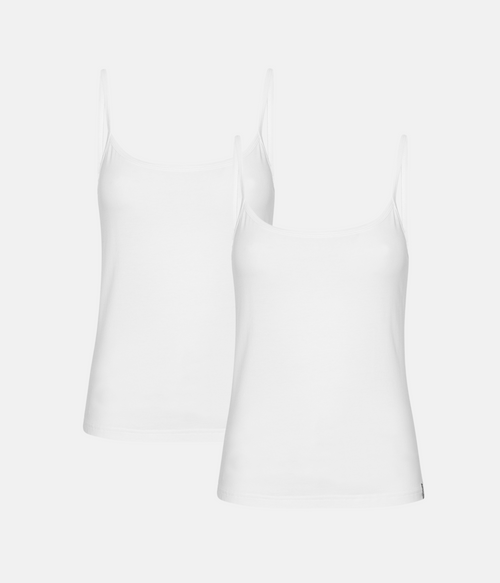
Merino keeps you warm, even when it is damp. That makes the wool fibres good for cold days and outdoor activities where you stand still at times. Bamboo viscose works the other way. It moves heat away from the body and feels cooler. For a layer that should feel pleasant indoors all day, see bamboo underwear for women.
Why merino does not itch like other wool
Ordinary wool can itch because the fibres are coarse and prick the skin. Merino wool has finer fibres, so it rarely itches. Some people still feel them directly on the skin, especially if their skin is sensitive. Bamboo viscose has a smooth surface without fibre ends sticking out, so it feels soft from the first wear.
Washing and wear
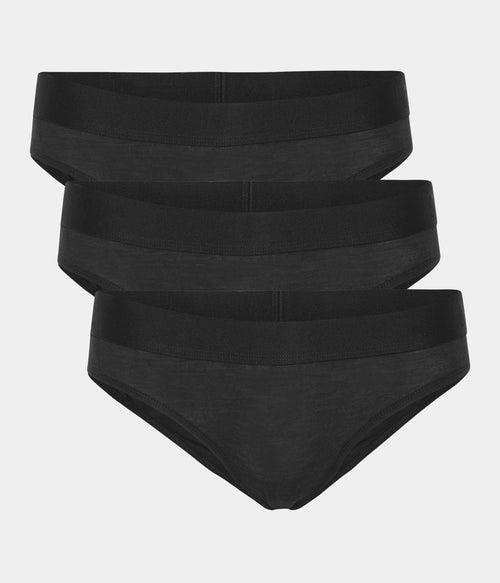
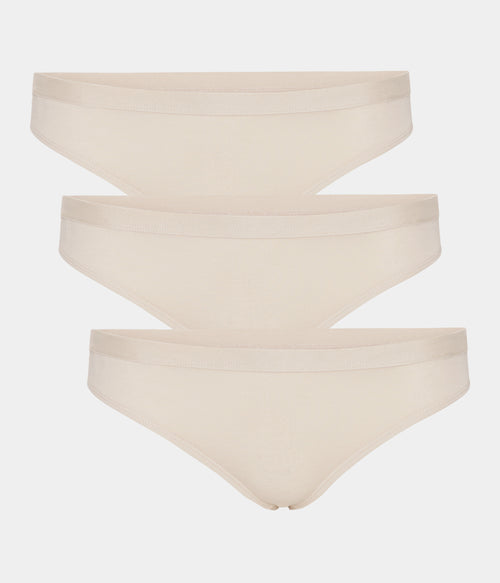
Merino should be washed gently and rarely. Many air their merino clothes instead of washing them, because the fibres do not handle heat and rough treatment well. Bamboo viscose can go in the machine after every wear, as long as you wash gently and avoid high heat. For clothes you wash often, see bamboo panties.
What this means for underwear
Underwear is usually washed after every wear. That fits poorly with a material that prefers airing and rare washing. Here bamboo viscose has a clear advantage, since the fabric can go in the machine again and again without losing its shape. Merino can still be a good choice for an extra layer on cold days.
Price and everyday use
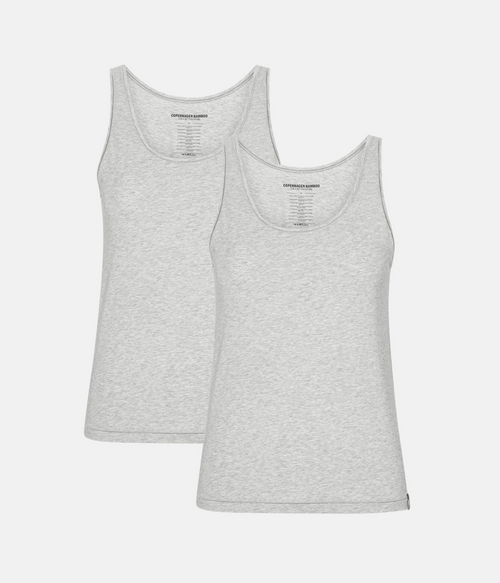
Merino typically costs double or more. In daily use, bamboo viscose therefore works out cheaper per wear, because you can wear and wash it often without special care. Do not only count the price in the shop, but how often you wear a piece. For a bra you wear almost every day, that matters, see bamboo bra.
Moisture and comfort
Merino can absorb a fair amount of moisture and still feel warm. That is an advantage outdoors in the cold. Bamboo viscose moves moisture away and feels dry and cool, which suits days indoors or mild temperatures. Think about whether you tend to feel cold or too warm, and choose the material based on that.
How to care for both
Wash merino on a wool programme with a wool detergent and dry it flat. Bamboo viscose goes on a delicate programme, preferably inside out, and dries on a hanger or flat. Avoid the tumble dryer on high heat for both. With the right care both last a long time, but bamboo viscose needs less attention.
When to choose which
Choose merino when you need to stay warm in the cold or are outside for a long time without a chance to change. Choose bamboo viscose for everyday wear, for clothes you wash often, and for days when you want a cool, soft layer against the skin. Many keep both in the drawer.
Frequently asked questions
Does merino wool itch
Rarely. The fibres are finer than in ordinary wool, but some people still feel them directly on the skin, especially if their skin is sensitive to wool.
Which is warmest
Merino wool, especially when damp. Bamboo viscose cools rather than insulates, so it suits mild days and time spent indoors better.
Which is best for everyday wear
Bamboo viscose. It can be washed often without losing shape, so the price per wear ends up lower than for a merino piece that must be handled with care every time.