Blends with cotton, what they change
Sep 12, 2026
Short answer: Cotton makes the fabric more robust and a little more matte, but also slower to release moisture. A blend of bamboo viscose and cotton sits somewhere between the two pure materials in feel, look and durability.
Durability versus smoothness
Cotton handles more mechanical wear than viscose. The fibres are rougher and stand up better to rubbing against chairs, bags and the washing machine drum. A blend therefore often lasts longer in use, but loses some of the smooth, cool surface many know from best sellers for women. It is a trade off, not a choice between good and bad.
Moisture moves more slowly
Cotton absorbs moisture well but releases it slowly. The more cotton in the blend, the longer the fabric stays damp after you have been sweating, and the longer it takes to dry on the line. On quiet days it hardly matters, on active days you will notice it. See the pure qualities in bamboo sweatwear.
The look changes
Pure viscose has a slight sheen and drapes heavily. Cotton makes the surface more matte, and a blend drapes less heavily and creases a little more after washing. To some it looks more relaxed, to others less neat. Hang the garment up right after washing, and most creases will smooth out on their own as it dries.
How it feels against the skin
A blend usually feels a little drier and firmer in the hand than pure viscose. It is still soft, but it does not glide over the skin in the same way. Many find it more familiar, because it resembles ordinary cotton clothing. If you prefer the smooth, heavy feel, a pure quality is the better choice for you.
When a blend makes sense
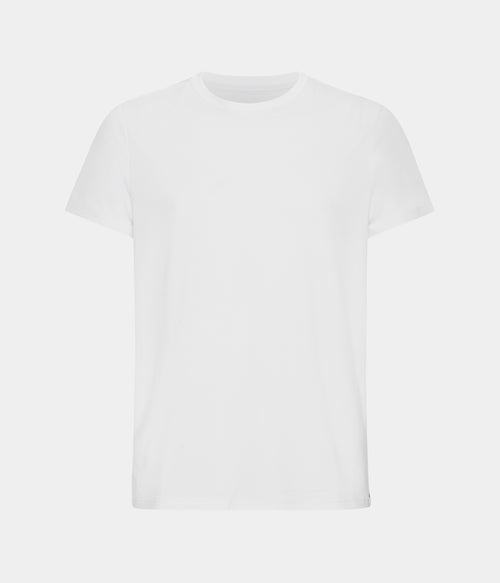
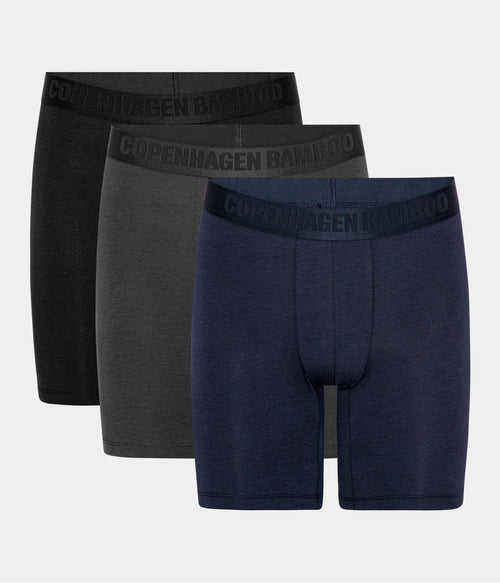
For clothing that is used hard, such as everyday trousers, T-shirts for work and jumpers that are washed often, the cotton can add durability. For underwear and clothing close to the skin, many choose the pure quality for its softness. See the range in the men's collection, and compare the labels before you choose.
Washing and caring for blends
Cotton can in principle handle higher temperatures, but the viscose in the blend cannot. So follow the care label and stick to 40 degrees unless it says otherwise. Skip the tumble dryer, because it wears on the viscose and can make the cotton shrink. Air drying takes a little longer than with pure viscose but is gentlest.
Read the percentages on the label
The label tells you how much of each material the fabric contains. The higher the viscose share, the softer and smoother the fabric. The higher the cotton share, the more robust and matte it becomes. A few percent of elastane may also be included for stretch. Use the numbers as a guide before you buy.
No blend is perfect
Pure viscose and a cotton blend each have their strengths. One is softer and moves moisture faster, the other stands up better to wear and creases a little more. The right choice depends on what the clothing is for and what you find comfortable. Feel free to try both and notice the difference in your own daily life.
Frequently asked questions
Which blend is most common
Half and half or seventy to thirty are the most common. It is a balance between durability and comfort, where the maker decides which quality should weigh the most.
Is a blend worse
No, it is different. It usually lasts longer against wear and feels less smooth on the skin, while pure viscose is softer and dries a little faster.
Can you see the blend in the fabric
Often, yes. Pure viscose has more sheen and drapes more heavily than a cotton blend, which looks more matte and creases a little more after washing.