Body heat between two layers
Sep 12, 2026
Short answer: Between two layers of clothing sits a thin layer of air that the body has warmed. That air layer is the most important insulation you have, and it costs nothing. The layers just must not be pressed together.
The air between layers insulates
When you wear two layers, a thin space of air forms between them. The body warms that air, and the layers hold it in place so it does not blow away. Still air conducts heat poorly, which is why it insulates so well. It is not the fabric alone that keeps you warm, but the air it traps. See bamboo panties as the innermost layer.
The body does the work
The air between the layers only gets warm because the body warms it. That is why it takes a little while after dressing before the layers feel cosy. It is also why a jacket that has hung in a cold hallway feels cold at first. Once the air is warm, the layers hold it, as long as they do not shift too much.
Too tight pushes the air out
If the layers are pressed together, the air space disappears and so does the insulation. That happens when the inner layer is too tight, or the outer layer sits so close that it presses everything against the body. The fabrics then lie directly on each other. An inner layer that fits close without squeezing leaves room for air. See bamboo t-shirts for women.
Why two thin beat one thick
Two thin layers create an extra air space that one thick layer does not have. The air between them insulates as well as the fabric itself. That is why a thin t-shirt under a jumper can often keep you warmer than a single thick jumper. Two thin layers are also easier to adjust, because you can take one off.
Take off and put on during the day
Layers are worth most when you use them actively. Going from a cold room into the sun, or from a walk into a warm office, changes what you need. With several thin layers you can take one off without getting cold and put it back on when it gets cooler. That is much harder with one thick layer.
Moisture fills the air space
Moisture is the air layer's biggest enemy. If you sweat and the moisture stays in the inner layer, it fills part of the space the air should have had. Wet fabric conducts heat far better than dry, and then the insulation is gone. An inner layer that absorbs moisture and moves it on helps keep the air space dry.
The feet have layers too
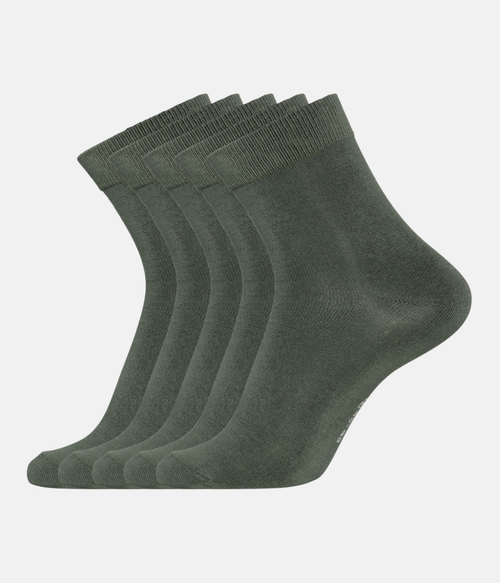
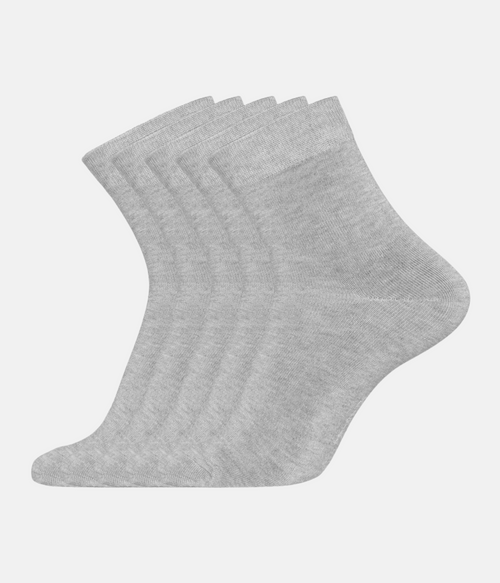
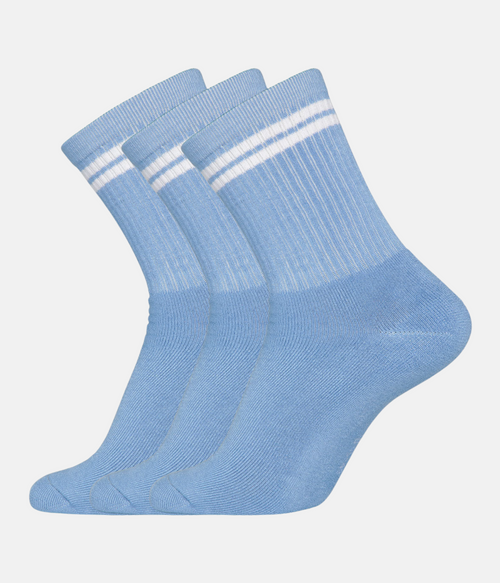
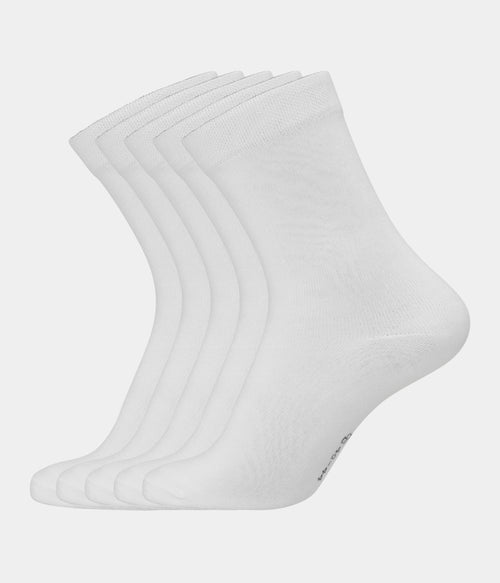
The same applies to the feet. A sock and a shoe together create a small air space around the foot. If the shoe is too tight, or the sock too thick for the shoe, the air is pushed out and the foot gets cold even though it is well wrapped. A thin sock in a shoe with some room is often warmer. See socks for men and women.
Think in layers, not thickness
When you dress for a cold day, think about how many air spaces you create rather than how thick the clothing is. A thin inner layer, a middle layer and an outer layer that does not press give more spaces and more warmth. It is a simple way to stay warm without any special gear.
Frequently asked questions
What insulates between two layers of clothing
The thin layer of air the body has warmed. It is the most important insulation you have, and it costs nothing as long as the layers are not pressed together.
Why are two thin layers warmer than one thick
Because an extra air space forms between them. The air insulates as well as the fabric itself, and two thin layers are also easier to adjust.
When do layers not work
When they are pressed together. Under a tight jacket the air spaces disappear, and the layers insulate much less than they otherwise would.