Certificates on textiles, what they cover
Sep 20, 2026
Short answer: A textile certificate documents that the fabric has been tested for certain substances or that production follows certain rules. It never covers everything, and it is worth reading what it actually says before relying on it.
Certificates cover different things
Some test the finished fabric for chemical residues, others look at the whole production chain from fibre to finished item. Two certificates can therefore say very different things about the same socks for women. One may be about what is in the fabric, the other about how it was made.
Testing the finished fabric
One type of certificate looks at the product itself. Samples go to a laboratory that measures whether certain substances are below set limits. That tells you something about what sits against your skin. It does not necessarily say how the fibres were made or how the factory is run day to day.
Rules for production
The other type looks at the process. It assesses things like how chemicals are handled, how water and waste are treated, or what working conditions are like. This requires visits and records from several stages of the chain. Such a certificate says more about how the item came to be, but less about the single garment.
What a certificate does not say
A certificate rarely says anything about durability, fit or how long the item lasts. A garment can pass every chemical test and still pill, shrink or lose shape after a few washes. That must be judged separately, for example from the care label and the sewing. See bamboo slips for an example.
Where to find the information
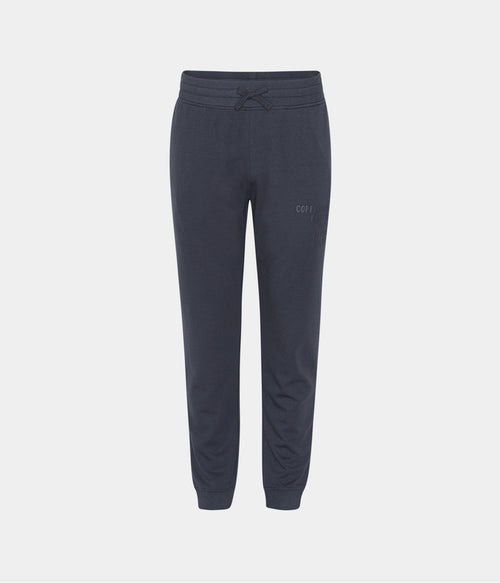
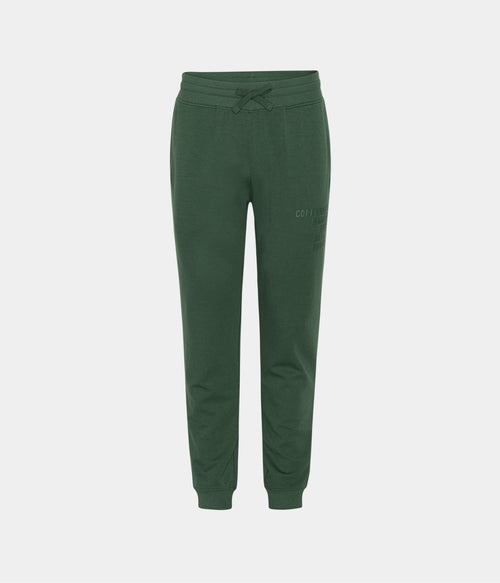
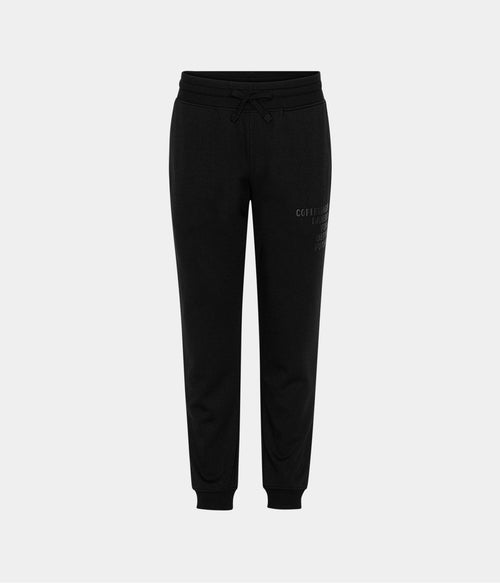
The certificate is usually on the product page or a hang tag, not on the care label itself. There is often a number you can look up with the issuer. Ask the retailer for details if you are unsure what it covers. See, for example, bamboo sweatpants for women and read the product details.
Read the text, not just the logo
A logo on a product is a shortcut, but it does not tell the whole story. Check whether the certificate covers the whole item or only part of it, such as the fabric but not thread and elastic. Also check that it is currently valid. It takes a few minutes and gives a truer picture.
Certificate and your own judgement
Use the certificate as one piece of information among several. Feel the fabric, look at the seams and read the care label. Notice how the item behaves after the first washes. A certificate cannot replace your own experience of how clothing feels and lasts in everyday life.
When in doubt
If you have sensitive skin or react to certain substances, a certificate is no guarantee that you will not react. Wash new clothing before wearing it and watch your skin in the first days. If you have lasting discomfort, talk to your doctor about what may be behind it.
Frequently asked questions
Is a certificate a guarantee of quality
No, it documents certain tests. Quality in terms of fit and wear has to be judged from other things, such as sewing and the care label.
Can any producer get a certificate
Yes, if they meet the requirements and pay for the inspection. It is voluntary, so a missing certificate does not automatically mean something is wrong.
How often are checks done
Typically once a year, with spot checks in between. That is why it is worth checking that the certificate is valid and when it was last renewed.