Clothes for days with a lot of walking
Sep 12, 2026
Short answer: Fifteen kilometres in a working day puts demands on your socks and on anything that can rub. Friction is the enemy, and it appears where moisture and movement meet, so those are the places your clothes need to solve.
Socks decide the day
Damp socks slide against the skin with every step, and that is how blisters form. Choose socks that fit closely without squeezing and do not wrinkle under the foot. A sock that lies smooth moves less in the shoe. See socks for women and bring a spare pair for a long day.
Friction between the thighs
Over many kilometres the inner thighs become the sore spot. Skin against skin rubs with every step, and moisture makes it worse. A layer that lies smooth between the thighs, such as a style with short or long legs, removes the contact. See bamboo underwear for women and choose a fit that stays in place.
The upper body gets warm
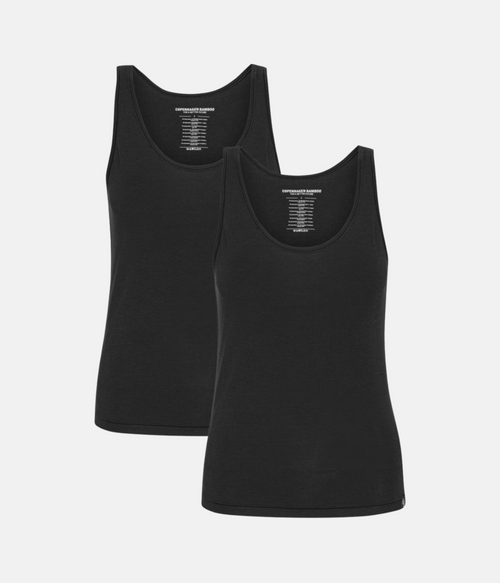
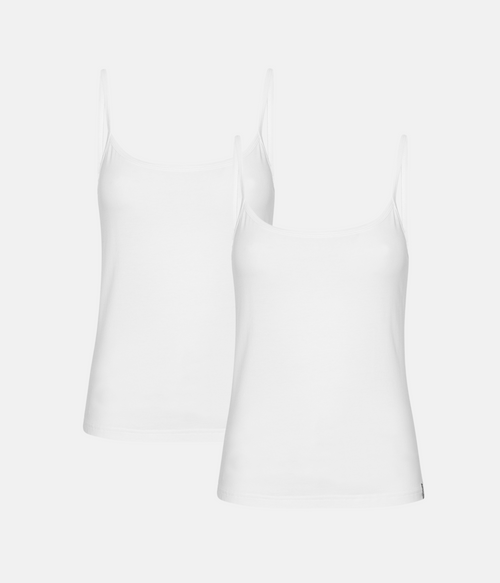
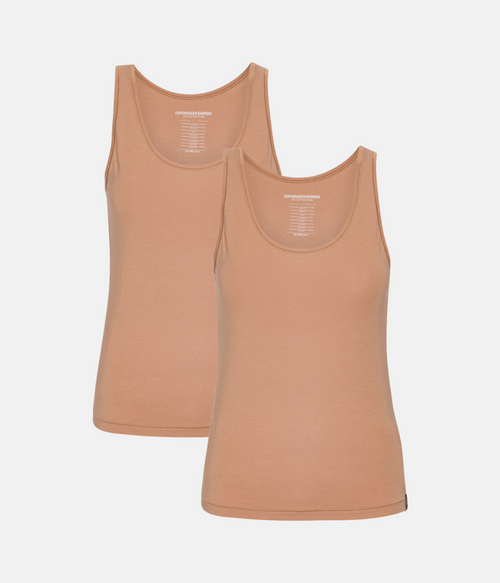
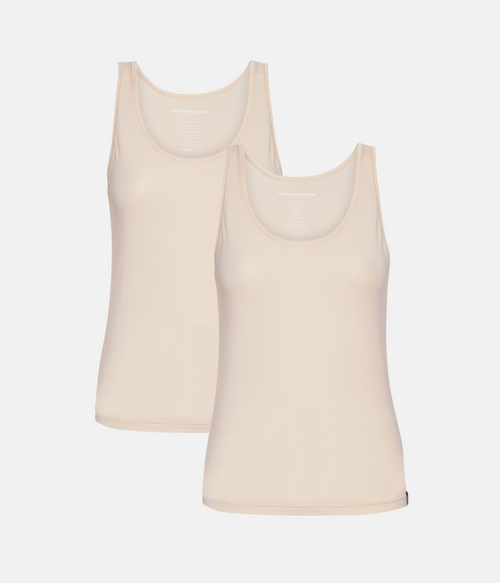
Even in cool air you get warm when you walk for hours. The body is working, and the heat has to go somewhere. A thin inner layer with a removable layer on top is easier to adjust than one thick jumper. See bamboo tops for women as an inner layer you can wear alone when you warm up.
Seams and edges
Seams in the wrong place are felt more with every kilometre. An edge that rubs slightly in the morning can be unpleasant by the afternoon. Check where the seams sit on underwear and socks, and choose flat seams where you can. Try new clothes on a shorter day first before taking them on a long one.
Change socks halfway
At fifteen kilometres, a dry pair of socks halfway is the cheapest improvement there is. Sit down, dry your feet and put on the fresh pair. Put the used pair in a bag so it does not dampen the rest of your things. Your feet notice the difference straight away.
Shoes and socks belong together
The best sock does little in a shoe that does not fit. Wear shoes you know, with room for the foot when it warms up and swells a little late in the day. Always try shoes on with the socks you plan to wear. A thick sock in a tight shoe presses, and a thin one in a loose shoe slides.
Breaks and water
Many steps create heat and sweat, even on cool days. Drink water along the way and take short breaks where you sit for a few minutes. Use the break to notice whether anything is rubbing. A small problem sorted early does not turn into a big one at the end of the day.
Washing and care
Socks and underwear worn on long walking days should be washed after each use. Wash at a moderate temperature and let them air dry so the fabric keeps its shape. Skip fabric softener on socks if you want them to keep fitting well. With several pairs of the same kind, you can change without thinking about it.
Frequently asked questions
What matters most on a day with lots of walking
Your socks. Moisture and friction cause blisters, and the sock is the only thing between your foot and the shoe all day.
How do you avoid chafing between the thighs
With a layer that lies smooth between the thighs, for example a style with short or long legs, so skin does not rub against skin.
Should you change socks in the middle of the day
At fifteen kilometres, yes. A dry pair halfway is the cheapest improvement there is, and it takes almost no space in your bag.