Clothes when you start working from home
Sep 20, 2026
Short answer: Working from home is often colder than an office, because most people turn the heating down when they are alone. On the other hand, the demands on how you look are lower, except on video, where your top still needs to look tidy.
Home is cooler
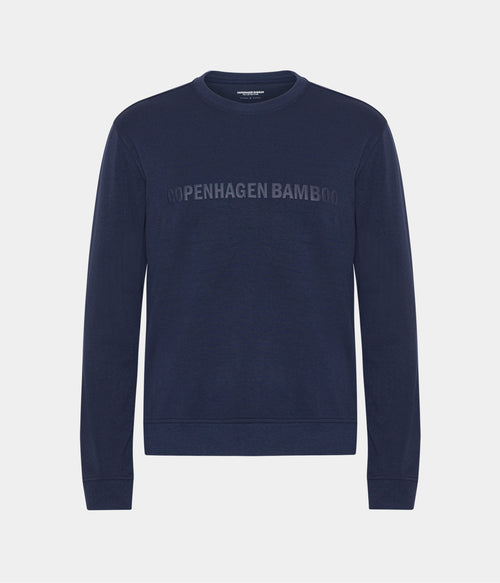
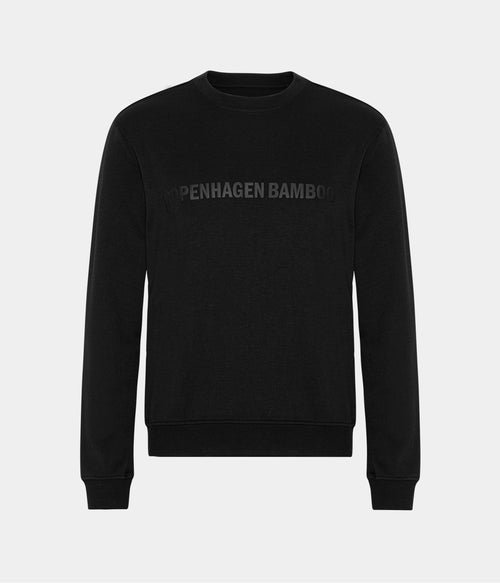
A home at nineteen degrees feels colder than an office at nineteen, because there is less air movement from other people and more cold surfaces like windows and floors. You also sit alone and still for longer. An extra layer such as a men's bamboo sweatshirt makes all the difference without turning up the heat.
Video calls change the rules
On video only your top is visible, and the camera exaggerates creases, pilling and stretched collars more than real life does. The visible part needs to look neat while the rest can be chosen for comfort. Keep a tidy layer such as a long sleeve bamboo t-shirt by your desk so you can change quickly before a meeting.
Get dressed anyway
Changing from nightwear to day clothes marks the start of the working day, even when nobody sees it. Many people find it easier to get going and easier to switch off in the evening when their clothes change. Choose something soft, but not what you sleep in. See what feels comfortable in the men's range.
Your feet get cold first
Floors are often the coldest surfaces in a home, and your feet are the first place you notice it when sitting still. Good socks do more than most people expect, and slippers can help on stone floors. Warm feet make it easier to keep the rest of your body warm through a long working day.
Layers you can add and remove
Temperature at home varies more than in an office. The sun can warm a living room in the afternoon while mornings stay cool. Work with layers rather than one thick sweater. A thin t-shirt underneath and a sweatshirt on top let you adjust without leaving your desk or changing completely halfway through the day.
Colours that work on camera
Plain tops without strong patterns look calmest on screen. Very fine stripes can flicker, and pure white tops are often overexposed by the camera. Mid tones like grey, blue or dark green suit most people. Check how you look on camera before an important meeting so there are no surprises.
Look after clothes at the desk
Sitting a lot wears clothes mainly at the elbows and seat. Soft fabrics can pill if they rub against a rough chair. Consider a throw over the chair and wash garments inside out at a low temperature. They will stay nicer for longer, and your top will still look tidy on video after many washes.
A small wardrobe goes a long way
Working from home rarely needs many outfits. Three or four comfortable tops and a couple of good trousers cover a normal week, especially if you wash as you go. Build with a few pieces you enjoy wearing rather than many you never use. Notice what you reach for in the first weeks and add from there.
Frequently asked questions
How much warmth does an extra layer add
Enough to cover a two to three degree difference in room temperature, so you can often leave the heating alone and still sit comfortably.
Should you wear shoes indoors
Your feet are the first to get cold, so good socks matter more than shoes. On cold floors, slippers can still be a help.
What looks best on camera
Plain colours without strong patterns, in a shade that is not white. Mid tones like grey and blue work well for most people.