Clothes when you train more than before
Sep 20, 2026
Short answer: More training means more washing and a greater need for clothes that move moisture away from the skin. Expect to double your number of basics in the first six months so you always have something clean and dry for the next session.
Your washing pace doubles
If you train four times a week instead of once, you need to wash far more often. Your wardrobe has to cover that, or you end up training in something not quite dry or skipping a session. Browse the most popular women's styles for pieces many people wear for both training and everyday life.
Moisture transport matters more
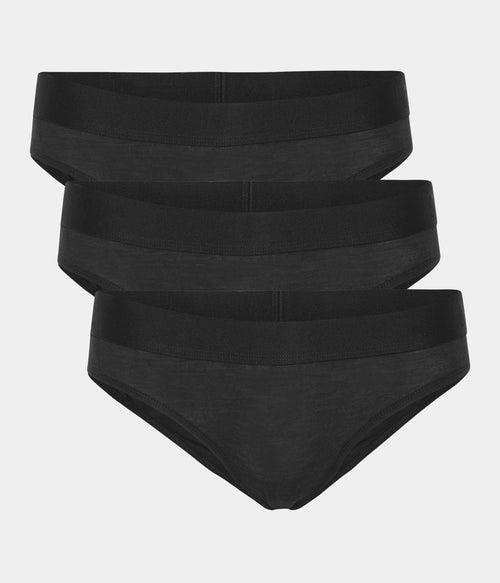
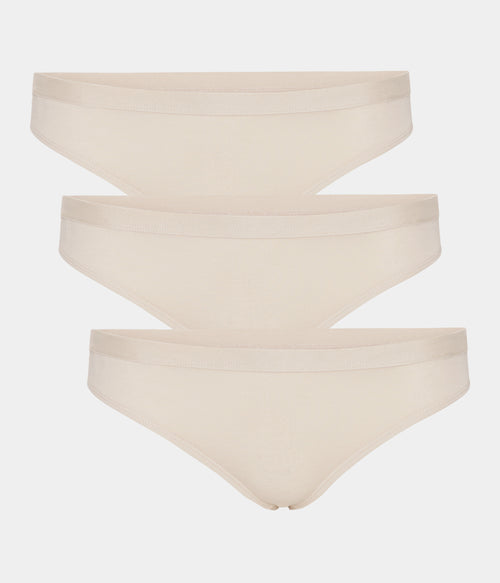
A fabric that holds sweat chills you after training and can increase the risk of chafing. The more you train, the more you notice the difference. Choose something that releases moisture, especially in the layer closest to the skin, such as bamboo underwear for women, and avoid thick seams where you move a lot.
Change after training
Wet clothes against the skin after training cause chills and irritation, especially when you get in the car or on the bike home. Pack a dry set in your bag and change as soon as you finish. For example a soft bamboo jogging suit that is comfortable to put on after a shower.
Underwear counts most
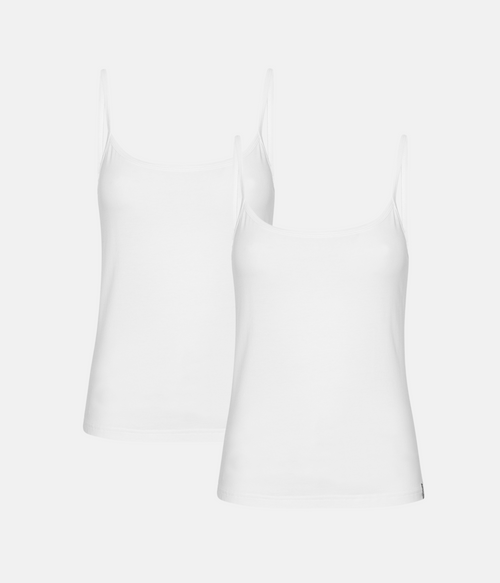
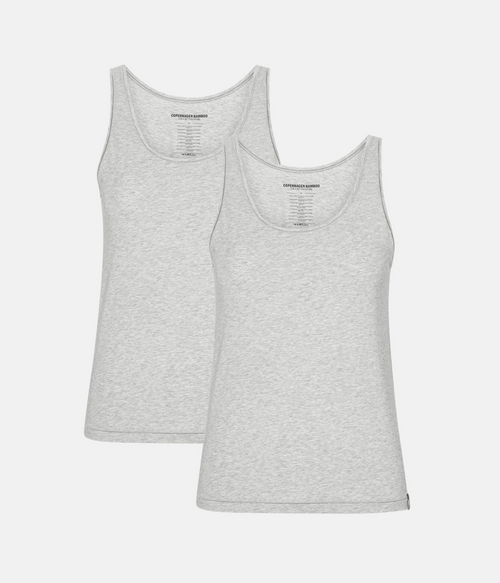
Underwear sits closest to the body and takes the most sweat. If it fits poorly, you notice straight away when you move. Choose briefs and tops that stay in place without digging in and do not ride up. Having several of the same style makes packing your bag quicker.
Storage after training
Do not leave wet training clothes in your bag until the next day. Hang them up straight away if you cannot wash them, so the sweat can dry out. That reduces odour and makes them easier to get clean later. A mesh laundry bag keeps worn and clean items apart.
Wash gently, even when often
Frequent washing wears fabric more, so how you wash matters. Turn clothes inside out, use a low temperature and a mild detergent without fabric softener. Softener can coat the fibres and make it harder for the fabric to release moisture. Air drying is also gentler than a tumble dryer.
Build up as your habits settle
The first six months are a good time to learn how much and how you train. So do not buy the whole wardrobe at once. Start with a few sets and add more once you know which pieces you use most. That way you avoid items that never get worn because your training changed direction.
Rest and clothing go together
When you train more, rest and recovery matter more too. Soft, loose clothes after training help you relax, and a warm layer stops your body cooling too quickly. Listen to your body, and talk to your doctor if you have questions about how much training suits you.
Frequently asked questions
How many sets do you need
One per training day plus one spare. That lets you wash at your own pace without running out of something dry.
Can you use ordinary clothes for training
For light training yes, but moisture transport matters more the harder you train, especially in the layer closest to the skin.
How often should training clothes be washed
After every session. Sweat in the fabric causes odour within a day, so hang them up at once if you cannot wash them.