Drying over a radiator
Sep 20, 2026
Short answer: A radiator dries quickly, but the high temperature makes the fibres stiff and can set creases in place. Dry near the heat rather than directly on it. That way you get dry clothes without giving up the softness.
Direct contact is the problem
A radiator surface can reach sixty degrees, and the fabric gets no air on the underside where it rests on the metal. That side turns bone dry while the rest is still wet. It leaves a bamboo sweatshirt for men stiff and striped, because the radiator fins press patterns into the damp fabric.
The moisture has to leave the room
Dry on the radiator in a closed room and you send the moisture straight into the walls and windows. The heat makes water evaporate fast, but air can only hold so much. So open a window slightly while the laundry dries, even when it is only small items like bamboo socks for men.
The better position
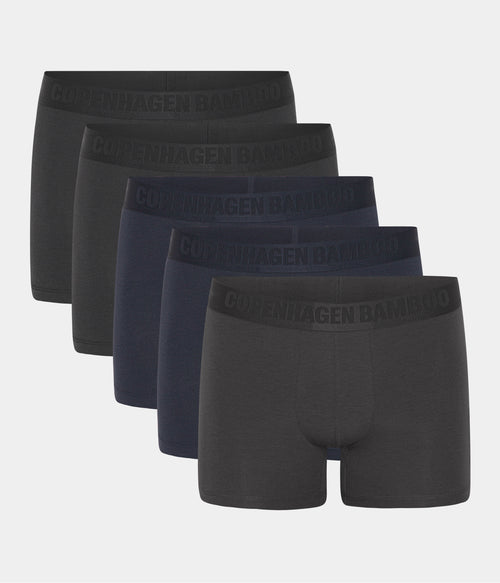
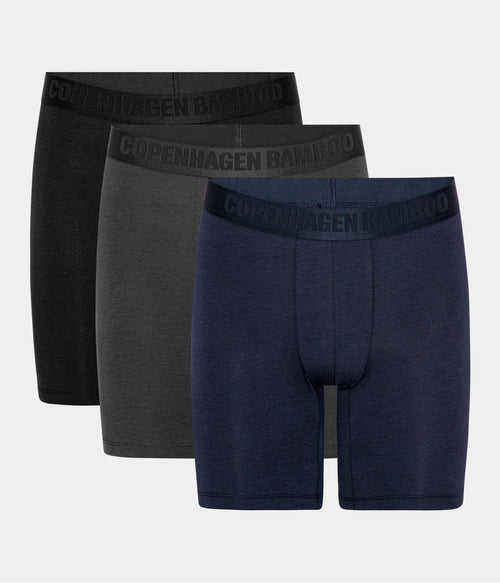
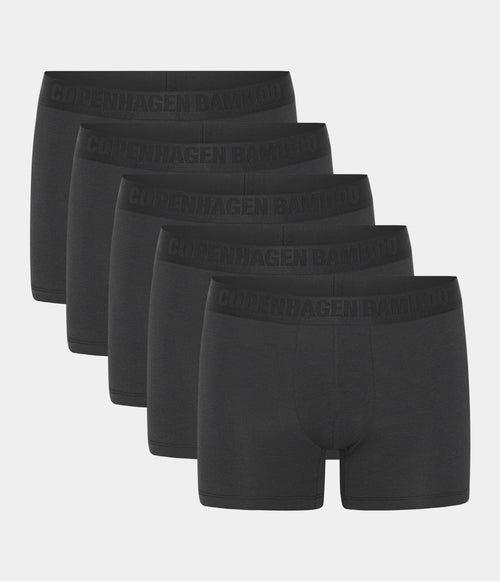
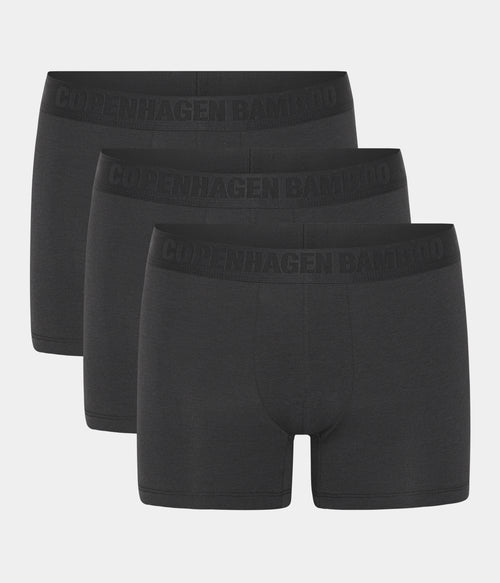
Place a drying rack half a metre from the radiator, so the warmth rises along the clothes. Warm air naturally moves upwards past the fabric, which gives even drying on both sides. It dries almost as fast and is kinder to bamboo underwear for men, which has elastic in the waistband.
Why stiff fibres are a problem
Bamboo viscose is known for its soft, smooth surface. When the fabric dries under strong heat without movement, the fibres can settle stiffly together, and the garment feels hard for the first few hours of wear. It usually eases after a while, but repeated radiator drying can wear down the softness over time.
The elastic suffers too
Waistbands and edges with elastane are sensitive to heat. If a waistband rests directly on a hot radiator again and again, it gradually loses its spring. It sits looser and no longer holds its shape as well. That is why underwear and socks in particular benefit from hanging at a sensible distance from the heat.
Hang the clothes properly
Shake each item before hanging it, so the fibres loosen and creases smooth out. Drape jumpers over a rail or put them on a hanger to spread the weight, and hang socks singly rather than in pairs. The more air that reaches the fabric from every side, the faster and more evenly it dries.
Use the radiator for the right job
The radiator is not off limits, it just needs to be used sensibly. It can warm the room so the air takes up more moisture from the clothes on the rack. Think of it as the heat source and the rack as the drying spot. That combination gives the best result for soft everyday clothing.
Keep an eye on the time
Thin items dry quickly near the heat, while thick jumpers need longer. Feel the seams and waistbands before putting anything away. Moisture lingers there the longest, and folding too early can leave a musty smell in the wardrobe. Turn the clothes halfway through so both sides get the same air.
Frequently asked questions
Can a radiator turn clothes yellow
Only if they lie directly on a very hot surface for a long time. With a drying rack at a sensible distance you avoid the risk entirely.
How long does it take
Two to four hours for thin items, longer for sweatshirt fabric. The time also depends on how well the room is aired while the clothes dry.
Is a drying rack better
Yes, because air can reach the fabric all the way round. It dries evenly on both sides and keeps its soft surface better.