Durability in bamboo viscose
Sep 12, 2026
Short answer: Bamboo viscose is a little weaker than cotton when wet, but it holds up well in everyday use. Washing and drying are what decide most how long a garment lasts. With gentle care and a bit of rotation, you can extend its life noticeably.
Wet strength is the weak side
Cellulose fibres such as viscose absorb a lot of water, and when the fibres are full of water they become weaker. This is a known trait of the fibre type, not a sign of poor quality. When dry, the difference from cotton is small, but wet fabric deserves gentler handling. That also applies to the soft pieces in bamboo sweat clothes.
Why you should not wring
Wringing a wet garment hard pulls on the fibres while they are at their weakest. Over time the fabric can become thinner or lose its shape. Instead, press the water out gently or roll the garment in a towel. Avoid hanging it dripping wet on a thin hanger too, because the weight stretches the fabric.
Washing and heat matter most
Hot washes and harsh programmes often wear clothes more than wearing them does. At 40 degrees, normally worn clothes come out clean and the fabric takes no harm. Choose a gentle programme with a low spin and a mild liquid detergent in the recommended dose. These simple steps help everything in our most popular styles for men.
Drying decides the shape
The tumble dryer is the biggest single source of wear. The heat makes the fibres contract, and the movement of the drum rubs the surface, which can cause lint and small pills. Air drying on a rack takes longer but is gentle. Lay sweatshirts and other heavy pieces flat so they do not stretch while drying.
Elastane gives up before the fabric
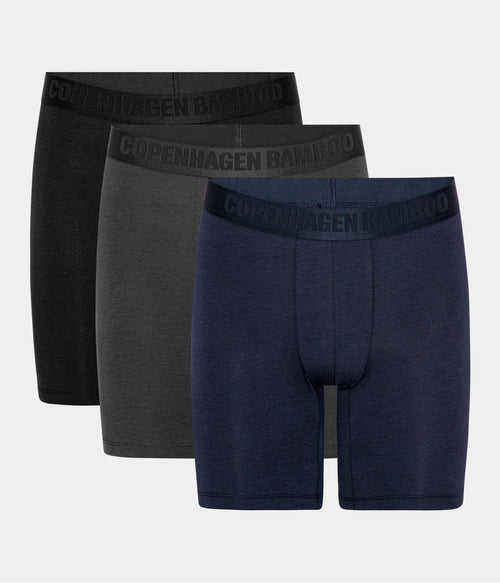
In underwear and socks, it is almost always the elastic that fails first, not the fabric itself. Elastane does not like heat, chlorine or long hours in the sun, and the thread turns brittle over time. You notice it when the waistband goes slack. See the styles in bamboo underwear for men and wash them at 40 degrees at most.
Rotation spreads the wear
Clothes worn every day wear out faster than clothes that get a break. If you own several pieces of the same type and switch between them, the wear is shared, and each piece gets time to recover after washing. This matters most for underwear and T-shirts. Rotation is one of the easiest ways to make clothes last longer.
Signs of wear
The first signs are often small pills where the fabric rubs, such as under the arms or between the thighs. Later the fabric may get thinner and the elastic may lose its spring. Pills can be removed carefully with a fabric shaver. A thin or see-through fabric, on the other hand, shows that the garment is nearing its end.
Storage between wears
How you store clothes matters as well. Fold sweatshirts and knits rather than hanging them, as the weight can pull the shoulders out of shape. Let garments dry completely before they go in the drawer, so they do not turn musty. Also avoid long periods of direct sunlight, which fades colours and weakens elastic.
Frequently asked questions
How long does bamboo clothing last
Usually one to three years with weekly wear, depending on the type of garment and how it is washed. Gentle washing and air drying stretch that time, while hot washes and the dryer shorten it.
Is cotton more durable
When wet, yes, because cotton fibres actually get stronger when wet. In dry wear the difference is small, and with the right care both materials hold up well in daily life.
Can you do anything about wear
Yes. Rotating between several pieces and washing gently are the two most effective steps. Air drying and low temperatures help too, because fabric and elastic keep their shape for longer.