Dyeing bamboo fabric
Sep 12, 2026
Short answer: Bamboo fabric is usually dyed in whole lengths after it has been knitted. Cellulose fibres take dye well, which is why bamboo viscose can be dyed in both deep and muted tones that sit throughout the fibre.
Dyeing after knitting
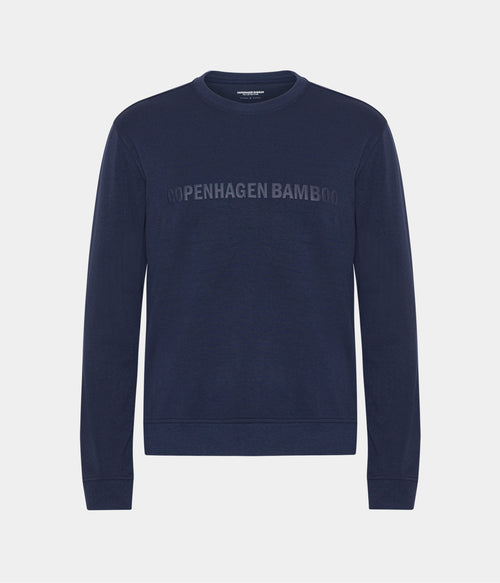
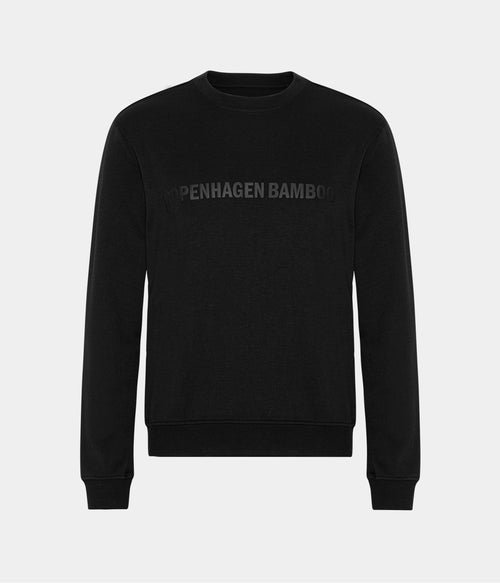
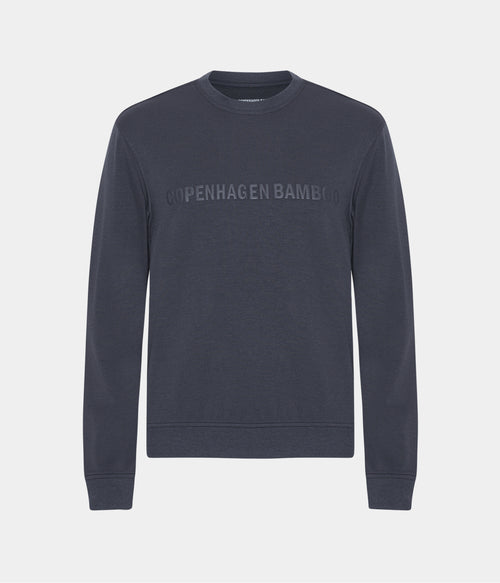
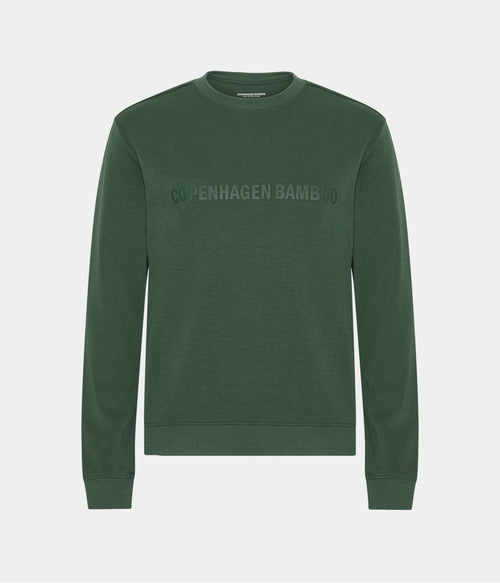
It is easier to dye finished fabric than loose yarn, and the result is more even across the whole length. The fabric moves around in a dye bath so the colour reaches everywhere. It is then cut and sewn into garments. That is the method behind the colours in the bamboo sweatshirts for women.
Dyeing the yarn
Some fabrics are dyed while they are still yarn instead. This is mainly used when a fabric needs stripes or patterns in several colours, because each thread then has its own colour from the start. The method allows more detail but takes more time. For plain basics, dyeing the finished fabric is the most common approach.
Cellulose takes dye well
Bamboo viscose is made from cellulose, just like cotton. The fibres absorb dye through their whole cross section, not only on the surface. That is why the colour lasts even as the fabric wears a little over time. It also gives the deep, clear tones many people associate with bamboo clothing. See the colours in most popular at Copenhagen Bamboo.
Finishing and rinsing
After dyeing, excess dye is rinsed out of the fabric. If this is not done thoroughly enough, the fabric can release colour in the first few washes. That is why it is a good idea to wash new dark clothes separately at first. This applies to all clothing, including all men's clothing.
Why colours can vary slightly
Even with careful dyeing, two production runs of the same colour can look slightly different. Temperature, time and water all affect the result a little. The difference is usually small and most visible if you place two garments from different times side by side. It is a natural part of dyeing textiles.
Dark and light colours
Dark colours need more dye than light ones, so they may release a little more colour at first. They also show wear and fading more clearly, because the contrast is greater. Light colours are more forgiving of wear but show stains more easily. Think about how you will use the garment when you choose a colour.
How to protect the colour
Wash at 30 or 40 degrees with a mild detergent without bleach. Turn the garment inside out so the surface rubs less in the machine. Dry it in the shade or indoors, because direct sunlight fades colour over time. Skip the tumble dryer, as the heat wears on both the fibres and the colour.
Washing with other clothes
Sort your laundry by colour, so light items do not pick up a grey or coloured tint from dark ones. This matters most in the first few washes of a new garment. A colour catcher sheet in the machine can trap loose dye if you are unsure. After a few washes, the risk is much lower.
Frequently asked questions
Why does new dark clothing lose colour
Because loose dye can remain on the surface after production. It usually disappears after a few washes, so wash new clothes separately at first.
Can you dye bamboo viscose yourself
Yes, with textile dye made for cellulose fibres such as cotton and viscose. The result is rarely completely even, and seams in other materials do not always take the colour.
Do dark colours last less well
They fade more visibly in sunlight because the contrast is greater, but the colour sits just as well in the fibre. Drying in the shade helps dark colours last longer.