Elastic in socks, what it means for the fit
Sep 12, 2026
Short answer: The elastic keeps the sock up and in shape. If it is too tight, it leaves marks on your calf, and if it is worn out, the sock rolls down. That makes it the part where a sock first becomes unusable, long before the fabric gets holes.
What the elastic does
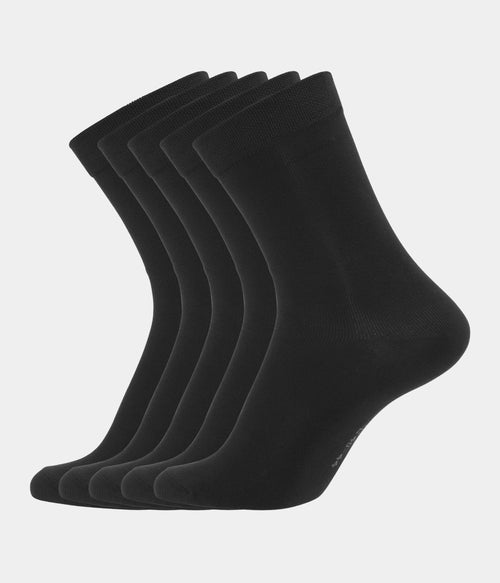
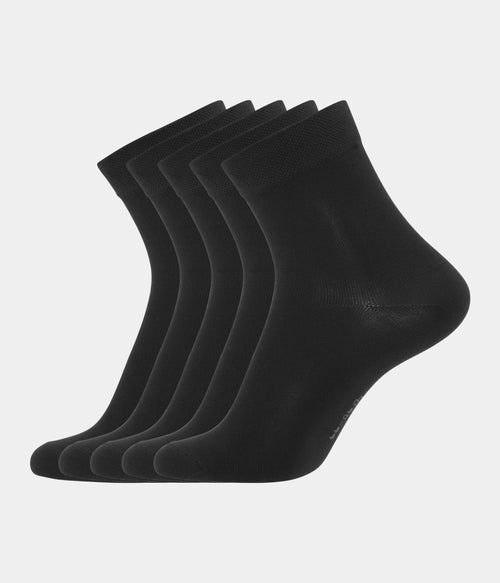
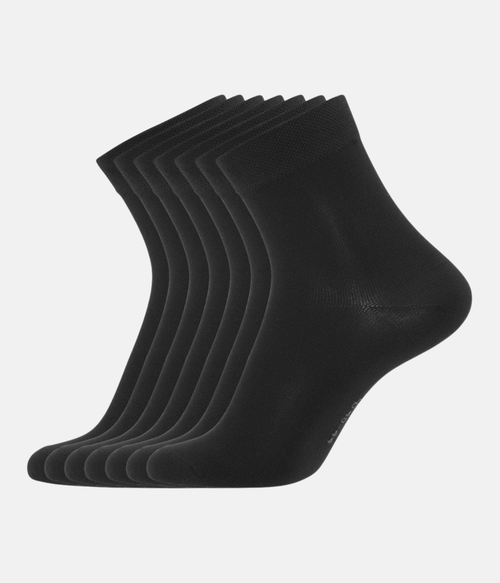
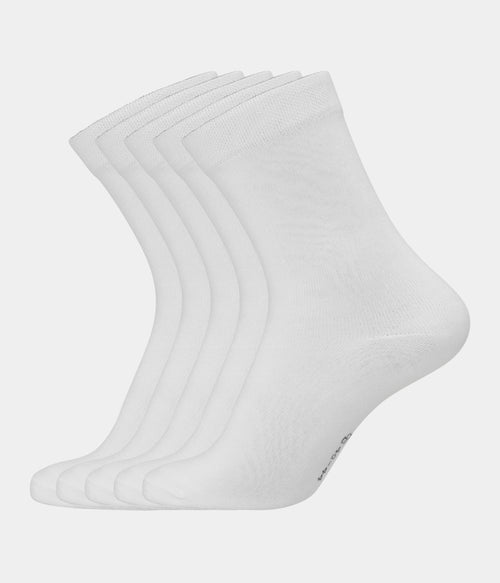
A knitted sock would fall down without elastic. The thread in the cuff draws the fabric together around the calf and holds the rest of the sock in place, even as you walk and move. That applies to all socks for women, whether short or long.
When the elastic is too tight
A red mark on the calf means the size is too small or the cuff is very tight. The mark usually fades quickly, but it shows that the stretch is wrong for you. Go up a size in socks for men and women, and the mark disappears without the sock rolling down.
When the elastic is worn out
After many washes the elastic loses its stretch, especially if the socks go in the tumble dryer. When a pair rolls down every day even though the size is right, it is time for new ones from socks for men. The fabric may still look fine even when the elastic is used up.
Elastic is found in several places
The elastic is not only in the cuff. Many socks also have a little elastane in the rest of the fabric, so the sock follows the foot without bagging. That is what makes it lie smoothly over the heel and instep, and return to its shape after wear.
The right balance
A good sock sits firmly enough to stay up, but not so tightly that it presses. That balance depends mostly on the size. Choose by your shoe size, and try another if the sock either rolls down or leaves marks. The style itself is rarely the problem.
A soft cuff for sensitive legs
Some people get clearer marks on the calf than others. If that is you, a style with a soft or wide cuff may suit you better, because the pressure spreads over a larger area. If you have swollen legs or circulation problems, talk to your doctor about which socks are right for you.
The tumble dryer causes the most wear
Heat is the worst enemy of elastic. Every time the socks go in the tumble dryer, the cuff loses a little of its stretch. Air drying takes longer, but it is the simplest way to make your socks last longer, and all it takes is a drying rack.
Wash at 40 degrees
Socks come out clean at 40 degrees in a normal wash. Higher temperatures do not make everyday socks cleaner, but they strain the elastic. Turn them inside out and put them in a laundry bag, so they do not tangle with other clothes and get stretched in the machine.
Storage matters
Do not roll your socks into each other when you put them in the drawer. That keeps the cuff stretched for days. Lay them flat or fold them loosely, so the elastic can rest. It is a small habit that makes a noticeable difference over time for short and long socks alike.
Rotate between several pairs
Elastic benefits from breaks between wears. If you have several identical pairs and rotate them, the wear is spread out and each pair lasts longer. It is also easier to see when a pair is worn out, because you can compare it with the others in the drawer.
Frequently asked questions
How long does the elastic last
Usually one to two years with weekly wear. The tumble dryer shortens that noticeably, while air drying and washing at 40 degrees help the elastic last longer in everyday use.
Can you avoid marks on the calf
Yes, by choosing a size up or a style with a soft cuff. The mark usually appears because the size is too small for your foot and calf.
Does washing wear the elastic
Hot washes and tumble drying do. Washing at 40 degrees and air drying cause almost no harm, so that is the best way to look after the elastic in your socks.