How a fibre takes up water
Sep 20, 2026
Short answer: Water works its way in between the fibre's molecular chains and binds to the spots that attract water. The more of these spots a fibre has, the more moisture it can hold. That explains why some fabrics feel dry even after they have taken on moisture.
The water goes into the fibre
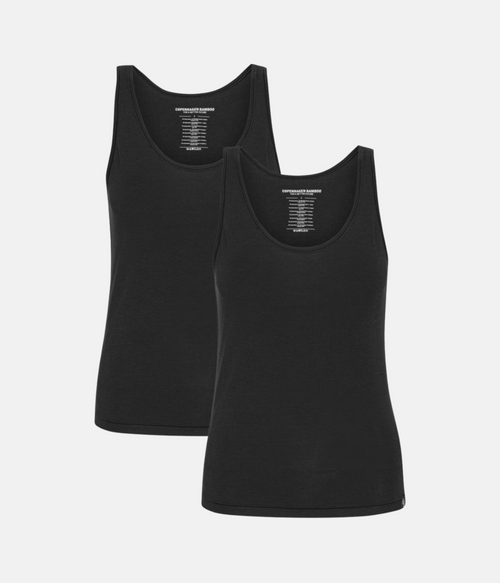
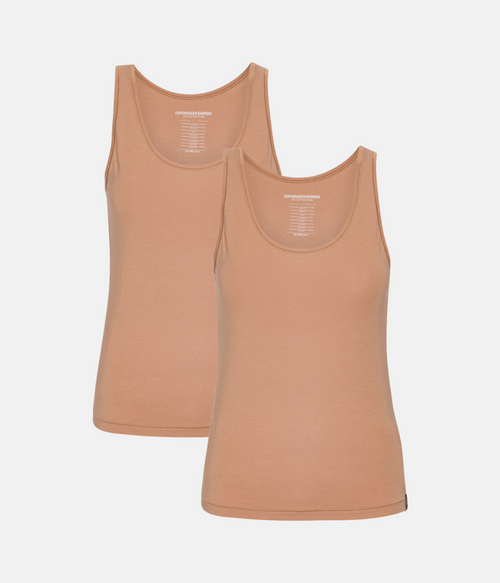
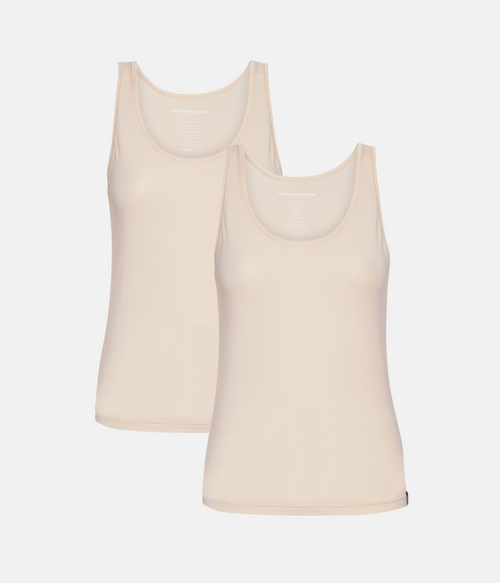
In viscose and cotton, water is absorbed inside the fibre itself, not just in the gaps between the threads. The moisture sits inside the material instead of lying on the surface. That is why bamboo tops for women can feel dry against the skin even when the fabric holds a fair amount of moisture after a warm day.
What happens inside the fibre
A fibre is made of long molecular chains packed closely together. Some spots along the chains attract water molecules and hold on to them. When moisture from the skin or the air reaches the fibre, the water moves in between the chains and settles at those spots. The fibre swells slightly, but the surface stays fairly dry to the touch.
Synthetic fibres do the opposite
Polyester absorbs almost no water into the fibre itself. Instead, the fabric moves moisture along the surface and out between the threads. That can be useful in sportswear that needs to dry fast, but it feels different against the skin. The moisture sits on the outside of the fibre and can feel clammy. Feel the difference in bamboo sweat clothes.
How much a fibre can hold
Viscose can absorb up to twelve percent of its own weight in water without feeling wet. So a garment can take up a fair amount of moisture from the skin before you notice. Only when the fibre is saturated does water start to collect between the threads, and then the fabric feels damp. Until then the fibre works quietly.
Why it matters day to day
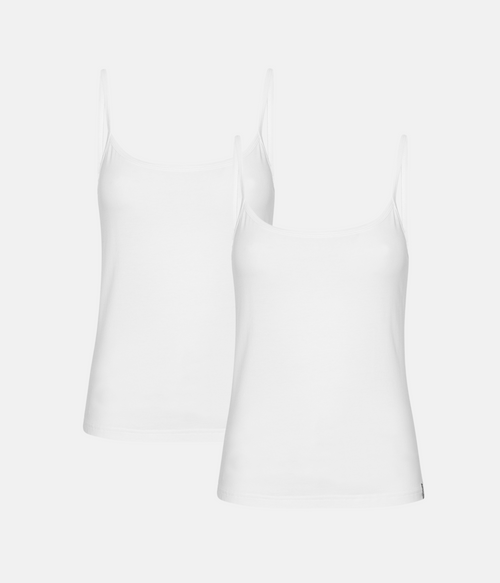
A fibre that absorbs moisture keeps the skin dry for longer, and that feels cooler in warm weather. You notice it most in thin layers worn close to the body all day. Here it makes a difference whether moisture stays on the skin or is drawn into the fabric, for example in a light bamboo slip on a warm day.
Moisture in the air counts too
Fibres do not only absorb sweat. They also take moisture from the air around you. On a humid day a fabric can therefore hold more water than you think, even if you have not been sweating. That is one reason clothes feel different on a rainy day than on a dry winter day, even at the same temperature.
Fibre and knit work together
The fibre's ability to absorb water is only half the story. The other half is how the fabric is knitted. An open knit lets moisture evaporate on into the air, while a dense knit holds it longer. The best feel comes when an absorbent fibre sits in a knit that also lets air through, so the fibre does not become saturated.
Getting the most out of it
Wash with a small amount of detergent so the fibres are not coated with residue that slows absorption. Dry clothes completely before putting them away. Choose thin layers close to the skin if you often get warm during the day. And change into a dry layer once the fibre is saturated rather than waiting for it to dry on you.
Frequently asked questions
How much water can a fibre absorb
Viscose can absorb up to twelve percent of its own weight without feeling wet. Only after that does the fabric start to feel damp against the skin.
Does the fabric get heavier
Yes, but the difference is so small that you only notice it in high humidity or after sweating for a long time.
Do absorbent fibres dry more slowly
A little, because the water has to leave the fibre itself and not just the surface. On a rack in a well aired room it is usually fine.