How dye binds to the fibre
Sep 12, 2026
Short answer: Dye penetrates the fibre and bonds with it chemically. How well that works decides whether the colour stays or fades after twenty washes.
The colour has to get into the fibre
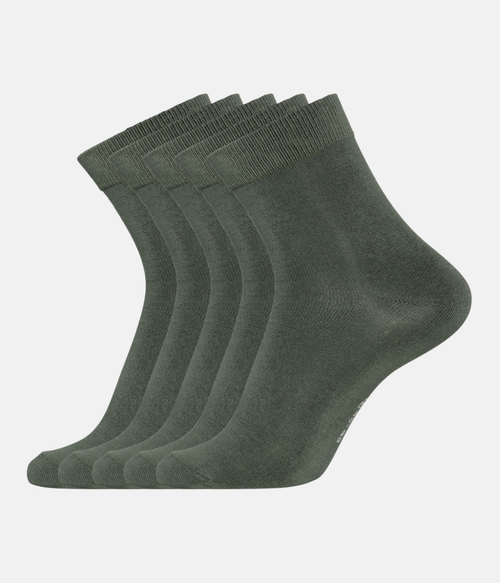
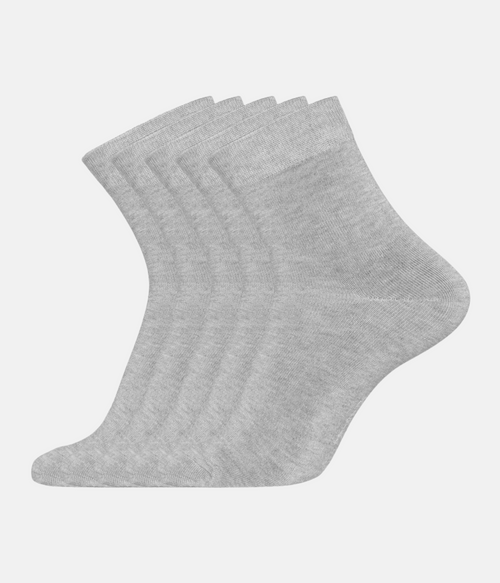
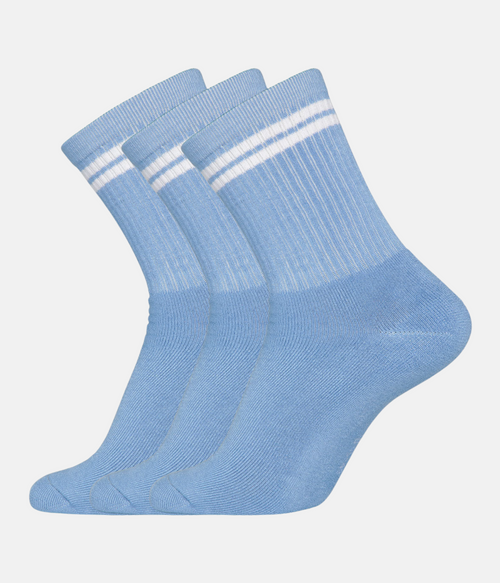
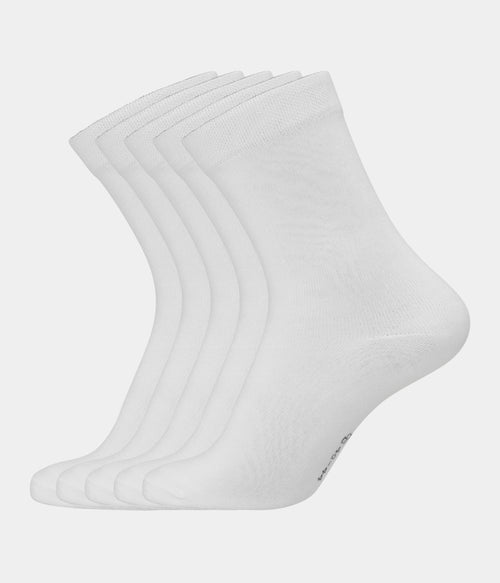
A garment only keeps its colour if the dye has penetrated the fibre itself. If the colour only sits on the surface, it rinses out in the first washes and wears away where the fabric rubs. That is why two garments in the same colour can behave very differently after a few months. The difference is how deep the colour sits, see socks for men and women.
What happens in the dye bath
When fabric is dyed, it lies in a bath of water and dye, often at a high temperature. The heat makes the fibre open slightly, so the dye can get in. It then bonds with the fibre, and the bath is rinsed out. Time, temperature and the right amount of dye decide how much bonds and how much stays loosely attached.
Cellulose fibres take up dye well
Bamboo viscose and cotton are both cellulose fibres, and their structure binds dye effectively. The fibres absorb water, and the dye follows the water into the fibre. That gives deep, clear colours when the dyeing is done properly. Synthetic fibres such as polyester need other dyes and another method, because they do not absorb water in the same way, see bamboo t-shirts for women.
Why new clothes bleed
Excess dye that did not bond rinses out in the first washes. This is completely normal and does not mean the colour is poor. Dark and strong colours in particular can release some dye the first two or three times. So wash new, dark clothes separately at first, so lighter items do not get a grey tone, see bamboo tops for women.
Why colour fades over time
Even well bonded colour slowly wears with time. Every wash draws out a tiny amount, and every time the fabric rubs against something, the surface wears a little. It is most visible on areas that get a lot of use, such as knees, elbows and edges. Fading is slower the better the colour is bonded, but it cannot be avoided completely.
Sun and heat wear on colour
Direct sunlight breaks down dye, especially when clothes hang to dry for many hours. High heat in the washer and dryer also opens the fibre, so the colour lets go more easily. Hang clothes in the shade or indoors, and do not use a higher temperature than needed. The colour then lasts clearly longer, without the clothes being any less clean.
Wash inside out at forty degrees
When a garment is turned inside out, it is the inside that rubs against the drum and the other clothes. The outside is protected, and the colour lasts better. Forty degrees is enough for a normal wash of everyday clothes. Use no more detergent than needed, as excess detergent can wear the surface and leave residue that makes colour look dull.
Sort laundry by colour
Wash dark colours together and light colours together. Then the small amount of dye that comes loose cannot settle in clothes where it shows. This matters most with new items and strong colours such as red and navy. Do not fill the machine completely, so the clothes have room to move and do not rub harder against each other than needed.
Frequently asked questions
Why do some clothes fade faster than others
Because the dye is not bonded equally well. If the colour only sits on the surface, it disappears through washing and rubbing, while colour that has penetrated the fibre lasts longer.
Why do new dark clothes bleed
Because there is excess dye left over from production. It rinses out in the first two or three washes, and after that it usually stops.
Can you do anything to keep the colour
Yes. Wash inside out at forty degrees, avoid direct sun when drying, and use no more detergent than needed.