How moisture affects the sense of warmth
Sep 12, 2026
Short answer: Damp skin gives off heat much faster than dry skin. That is why you can feel cold in a damp layer even when the temperature is not low, and why good clothing is so much about moisture.
Evaporation draws heat away
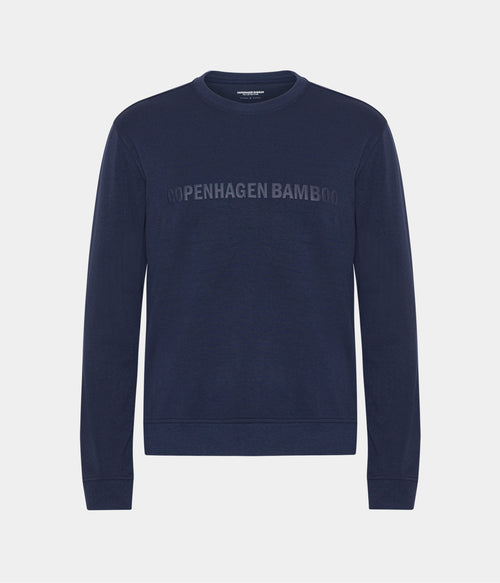
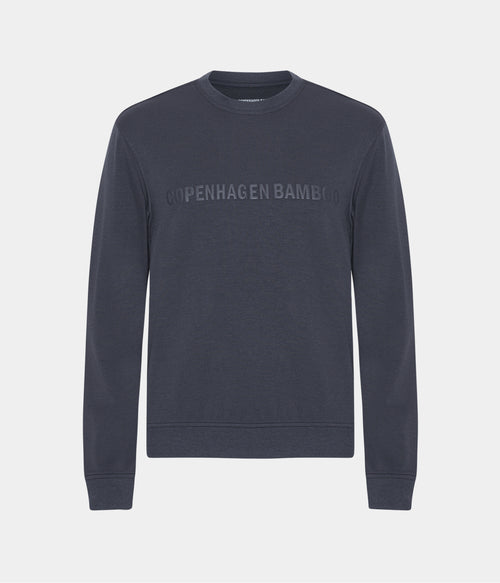
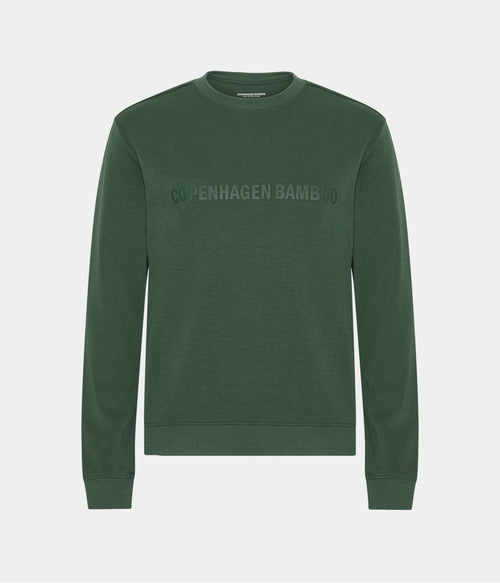
When moisture evaporates from the skin or from the fabric, energy is used, and that energy comes from your body. That is the mechanism that cools you. It works all the time, whether you want it to or not, and it is stronger the more moisture there is. See women's bamboo sweatshirt.
Water conducts heat better than air
Dry fabric holds a thin layer of air close to the skin, and air conducts heat poorly. That is what insulates. When the fabric gets damp, the air is replaced by water, and water conducts heat far better. The insulation disappears, and heat leaves the body directly, even though the fabric is as thick as before.
In heat it is an advantage
In summer, evaporation is what keeps you cool. Sweat is the body's own way of getting rid of heat. A fabric that moves moisture out to the surface, where it can evaporate, helps the process along. A fabric that holds moisture against the skin does the opposite. See the women's range.
In cold it is a problem
If you stand still with a damp inner layer, it cools you down quickly. That typically happens after a walk, a bike ride or a busy spell when you have sweated a little. That is why the inner layer needs to move moisture away from the skin, see men's bamboo undershirts.
Humidity plays a part too
It is not only the moisture in your clothes that matters. In humid air sweat evaporates more slowly, which is why humid heat feels heavier than dry heat. In damp cold it feels colder, because clothing takes up moisture from the air. The same temperature can therefore feel very different depending on humidity.
The inner layer makes the difference
The layer right against the skin decides where the moisture ends up. A thin layer that moves moisture on keeps the skin drier. Layers on top can add warmth or block the wind, but they cannot make up for a wet inner layer. That is why you should always choose the inner layer first.
Change when you have got damp
If you have sweated and then need to stand still or go out into the cold, the best advice is to change the inner layer. A dry layer against the skin makes a noticeable difference straight away. Bring a spare layer in your bag on days when you know you will sweat, and change as soon as you can.
Washing and care
Fabric that has collected salt and skin oils from sweat moves moisture less well than clean fabric. Wash the inner layer after every wear if you have sweated in it. Follow the care label and let it air dry. Skip fabric softener if the label advises against it, so the fabric keeps its ability to take up moisture.
Frequently asked questions
Why do you feel cold after exercise
Because your clothes are damp and evaporation carries on even after you stop moving. The body no longer produces the same heat, but it is still being cooled.
How fast does damp skin lose heat
Considerably faster than dry skin. That is why changing clothes helps straight away when you have sweated and need to stand still afterwards.
Can you avoid getting damp
No, but you can move the moisture away from the skin. That is the whole point of choosing the right material, and why the inner layer matters most.