How much warmth a layer actually gives
Sep 12, 2026
Short answer: A thin layer shifts the perceived temperature by two to three degrees, and a thicker layer by four to five. That is less than most people think, but it is usually enough to make the difference between feeling cold and feeling fine.
A thin layer shifts a few degrees
Two to three degrees sounds like little, but it is often the whole difference. It is exactly the step that separates a chilly morning from a pleasant one, or a cool office from one where you can sit still for hours. A thin layer close to the body is one of the simplest tools you have. See bamboo underwear for men.
A thicker layer gives a bit more
A thicker layer shifts the perceived temperature by four to five degrees. That is more than the thin one, but not twice as much as the thickness might suggest. A thick layer is also harder to take on and off, and it can get too warm when you move. So the thick layer is not always the best choice.
Why that is enough
The body has a fairly narrow range where it feels comfortable. Slightly below it you feel cold, slightly above it you sweat. A few degrees in the right direction is often enough to land in that range. You rarely need to shift the temperature much, just by the right amount.
The effect fades with each layer
The fourth layer does far less than the second did. Each new layer insulates less than the one before, because the first layers have already done most of the work. Going from one layer to two, you notice a clear difference. From three to four, you hardly notice it. See bamboo t-shirts for men as a thin middle layer.
Too many layers push the air out
At some point the layers start working against each other. With too many, they are pressed together and the air between them disappears. It is the air that insulates, so you may not get any warmer even though you are wearing more. You just get stiffer in your movements and sweat more easily.
Placement matters more than thickness
A layer around the neck or on the feet does more than an extra layer on the body. The body loses most heat where you are uncovered, and the upper body is usually covered by several layers already. If you are cold, first look at where you lack cover before adding another jumper.
The feet count a lot
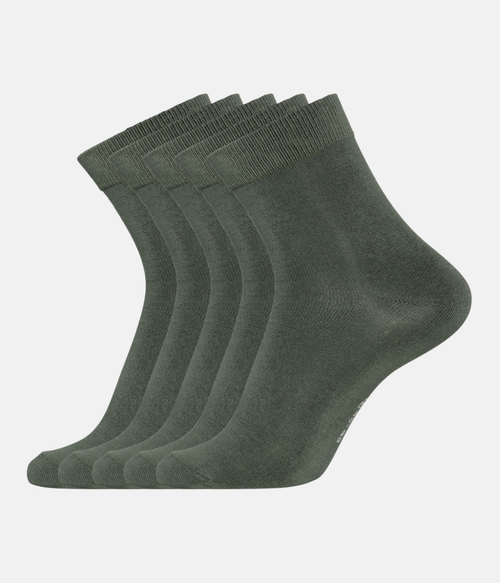
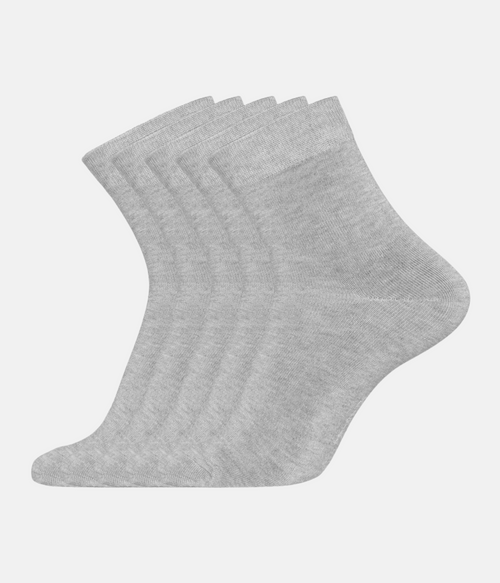
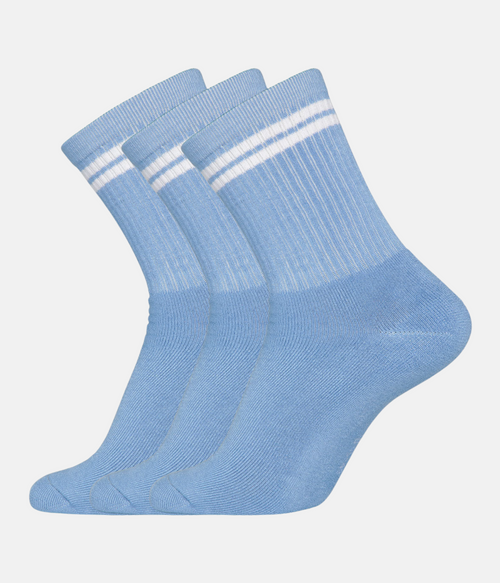
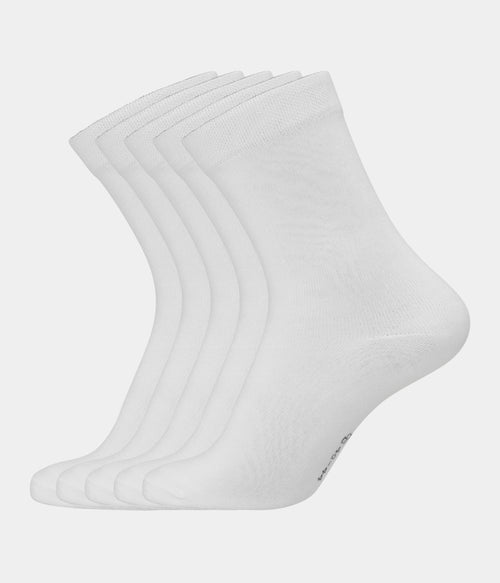
Cold feet can make the whole body feel cold, even when the rest is well dressed. A pair of good socks is therefore one of the layers that gives the most. Choose socks that are not too thick for the shoe, so there is still some room for air around the foot. See socks for men.
Build layers as needed
The simplest rule is to start with a thin layer close to the body and build from there. If you need more warmth, add it where you are uncovered before putting more on the upper body. And remember that two or three layers are usually enough. The rest gives less than you think.
Frequently asked questions
How many degrees does a layer shift
A thin layer shifts the perceived temperature by two to three degrees, a thicker one by four to five. It sounds like little, but it is often the whole difference.
Why does the fourth layer help so little
Because the effect fades. Each new layer insulates less than the one before, and at some point the air between the layers is pushed out.
Where does a layer help most
Where you are uncovered. A layer around the neck or on the feet does more than an extra layer on the body, which is usually covered already.