How much you save by washing cooler
Sep 20, 2026
Short answer: Going from forty to thirty degrees halves the electricity used per wash. With three washes a week, that is between two and three hundred kroner a year. On top of that, clothes last longer when washed cooler.
Most of the power goes on heating
More than eighty percent of the electricity in a wash is used to heat the water. The drum and pump use only a small share. That is why every degree matters, and why temperature is the easiest place to save. This also applies when you wash bamboo underwear for women, which you wear often and therefore wash often.
What the sum looks like
A wash at thirty degrees uses about half a kilowatt hour less than at forty. That is roughly one krone per wash. It does not sound like much, but with three washes a week it adds up to two or three hundred kroner a year. If you wash more often, the saving grows accordingly.
Clothes last longer too
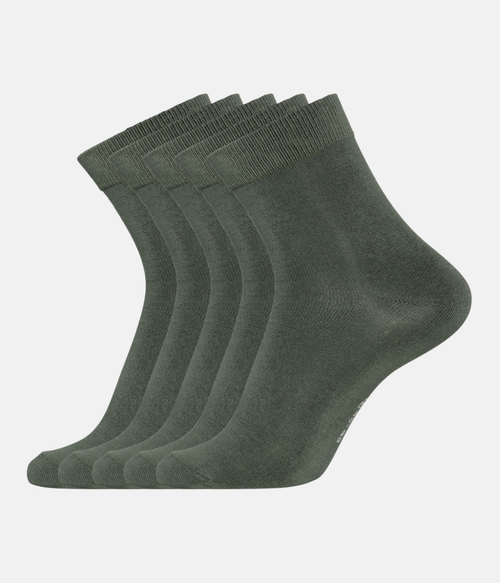
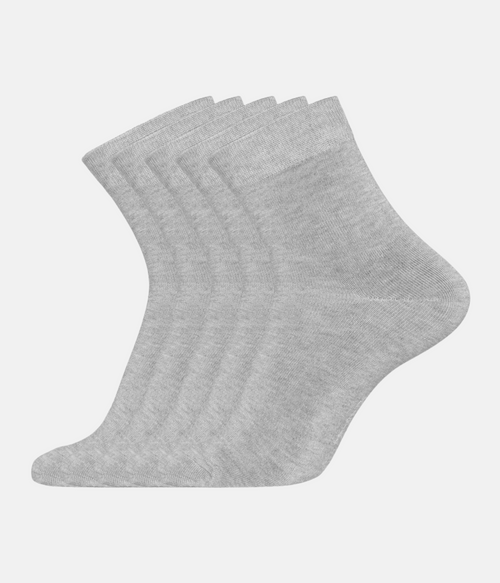
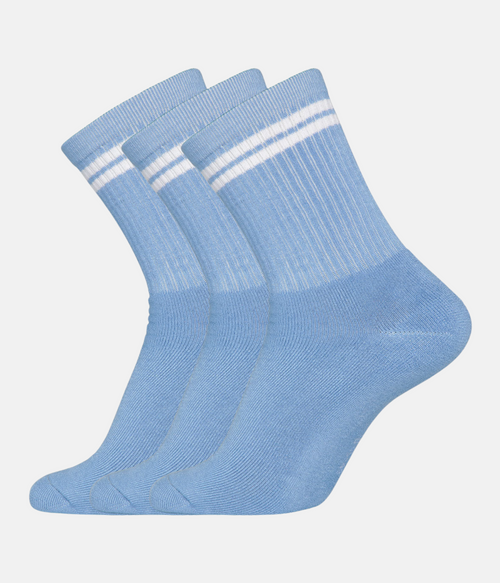
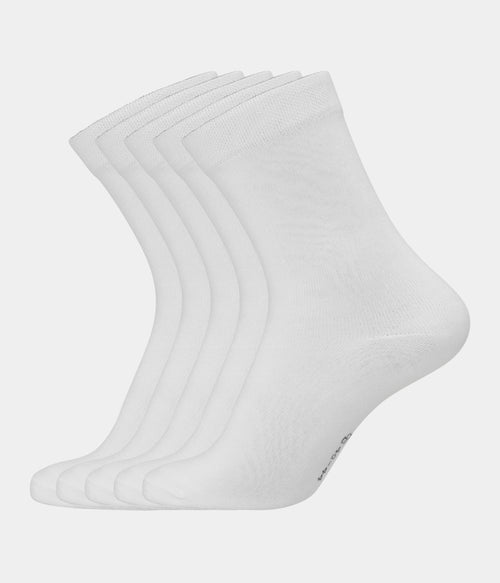
Cool washing protects both colour and elastane, which is a saving on top of the electricity. Hot water makes colours fade faster and loosens elastic over time. When clothes last longer, they need replacing less often. This applies especially to socks for men and women, where the elastic in the cuff is the first thing to give.
They still come out clean
Modern detergents work from twenty degrees, and ordinary dirt needs no more. Most of what sits in everyday clothes is sweat and skin oils, which a good detergent handles at low temperatures. This also applies to bamboo T-shirts for women, which you wear next to the skin and wash after each wear.
Fill the machine, but not too full
A full machine makes the best use of the power, because the heating is spread over more clothes. But an overfilled drum washes worse, as the clothes cannot move freely. A good rule is to leave room for a hand at the top of the drum. That way you get clean clothes at a low cost per piece.
Choose the right programme
Many machines have an eco programme that washes at a low temperature for longer. It may seem odd that a long programme uses less power, but it is the heating that costs, not the time. Use the eco programme for everyday washing and save the short, hot programmes for when they are needed.
Dose the detergent correctly
At low temperatures it is important to dose as directed. Too little detergent leaves clothes unclean, while too much builds up in the fabric and can make it stiff. Follow the instructions on the pack and consider how dirty the clothes are. Skip fabric softener on soft, breathable clothes, as it can leave a film on the fabric.
When a warmer wash makes sense
Cool washing is not the answer to everything. With illness in the home or heavy dirt, it is better to wash warmer. Follow the care label so you do not wash hotter than the fabric can take. The rest of the time, thirty degrees is plenty for most everyday clothes, and that is where the saving lies.
Frequently asked questions
How much do you save per wash
About half a kilowatt hour, or roughly one krone. It sounds small, but over a year with several washes a week it becomes a few hundred kroner.
Do clothes get clean at thirty
Yes, for ordinary dirt it is plenty. Modern detergents are made to work at low temperatures, so everyday clothes come out clean.
When should you wash warmer
With illness in the home or heavy dirt. Always check the care label so you do not wash hotter than the fabric can take.