How to layer three thin layers
Sep 20, 2026
Short answer: Three thin layers keep you warmer than one thick one and let you adjust as you go. The order is smooth on the inside, thickest in the middle and calmest on the outside. With that rule you can dress for changing temperatures without freezing or sweating.
Why three thin layers work
The air between layers holds the warmth, and three thin layers create more pockets of air than one thick one. You can also take a layer off when you go inside and put it back on when you go out. That gives a flexibility a thick jumper cannot, and you avoid overheating in the middle of the day.
The inside should be smooth
The inner layer should move moisture away from the skin without clinging, and it should fit close without squeezing. A soft, smooth fabric lets the next layers slide on top without pulling. See the most popular styles for women for smooth pieces that work well as a first layer all day.
The middle layer warms
The middle layer holds the air, which makes it the thickest of the three. It should be soft with a little volume, but not so much that the outer layer feels tight. It could be a bamboo sweatshirt for women, which warms you and is easy to take off when it gets warmer.
The outside sets the look
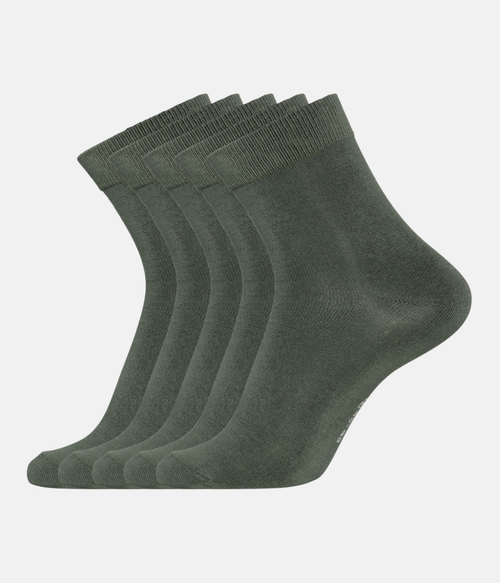
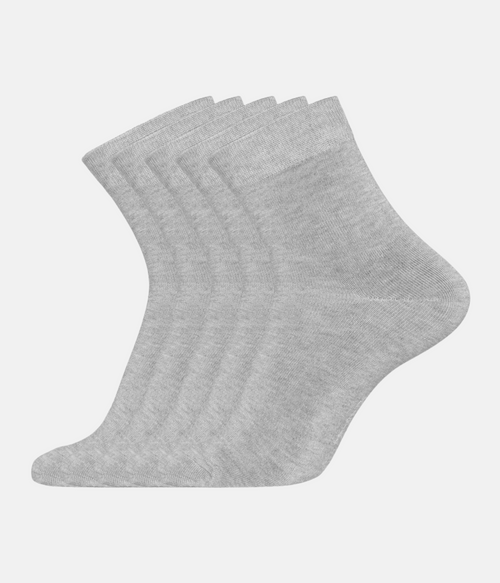
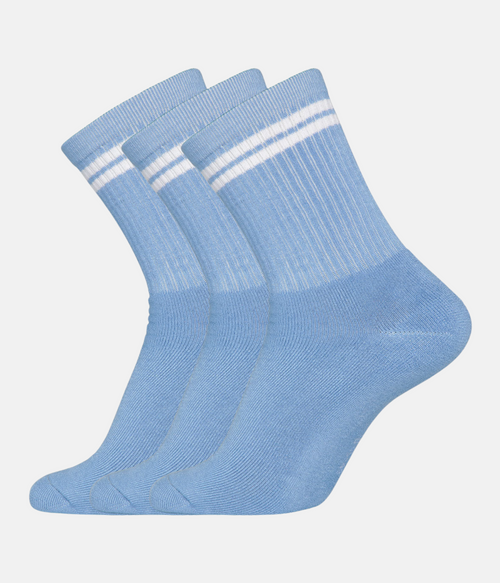
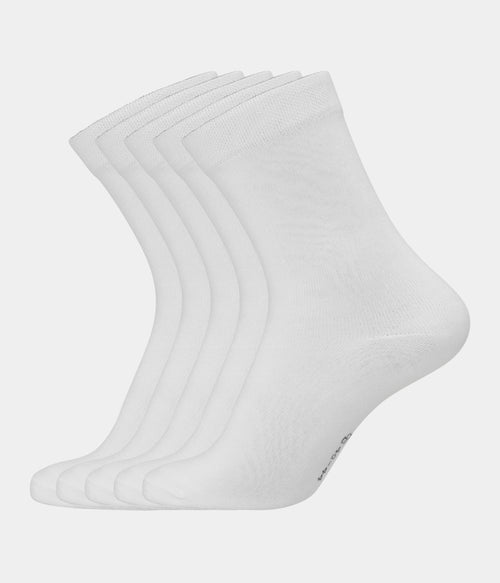
The outer layer is the one people see, and it does not need to warm you or move moisture. Here you can choose by style and occasion, such as a cardigan, a shirt or a light jacket. At the bottom, bamboo socks for men and women can tie the colours together from top to toe.
The order matters
Swap the layers around and they work less well. With the thick layer inside, moisture stays against the skin and you get cold as soon as you stop moving. With the smooth layer outside, you lose warmth. Stick to the rule: smooth, warm, calm. Then each layer works with the others instead of against them.
Fit in each layer
Each layer should be slightly roomier than the one beneath it. The inner one fits close, the middle has a bit more space, and the outer one makes room for both. If all three are the same size, it gets tight and uncomfortable. Try the full combination on before you go out to check your arms move freely.
Colours that tie the layers together
The layers do not need to match, but the look is calmer if the two outer ones share a colour. The inner layer only shows at the neck or sleeves, so it can be neutral. Choose a grey or black base and let the outer layer carry the colour. Then you can change the look without buying new inner pieces.
Layering indoors and outdoors
Indoors and above fifteen degrees, two layers are often enough. Outdoors in the cold season, the third layer adds the extra warmth and can come off when you get inside. That makes layering practical at the office, on the train and at home, where the temperature changes several times a day.
Frequently asked questions
Do three layers get too bulky
No, as long as each layer is thin. Three thin layers add less bulk than one thick one and are easier to move in.
Should the layers be the same colour
No, but the two outer ones should share a colour. The inner layer can be neutral, since it rarely shows.
When are two layers enough
Indoors and above fifteen degrees. A smooth inner layer and a light outer layer are then usually plenty.