How to plan purchases for two seasons
Sep 20, 2026
Short answer: Buy summer clothes in July and winter clothes in January, when the season ends and prices drop. You will not wear them until the following year, but the price is often halved. It takes a list and some patience, but you get what you need for less.
The end of the season is cheapest
Shops clear space for the next season, so they cut prices on what has to go. The range is still wide in the first weeks of the sale, so you can often find both your size and your colour. This applies to the most popular styles for women, where favourites tend to sell out first.
Buy only what you know you need
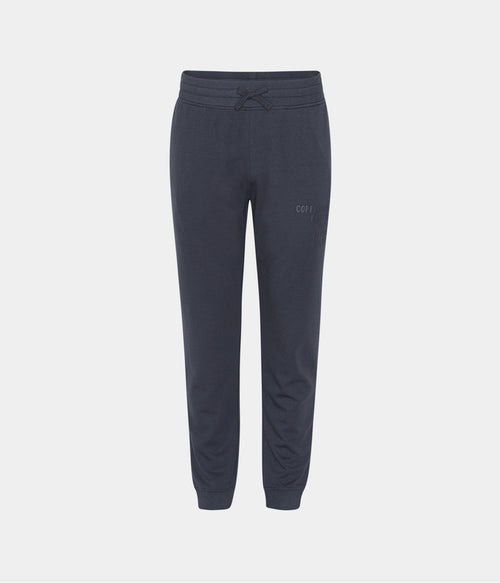
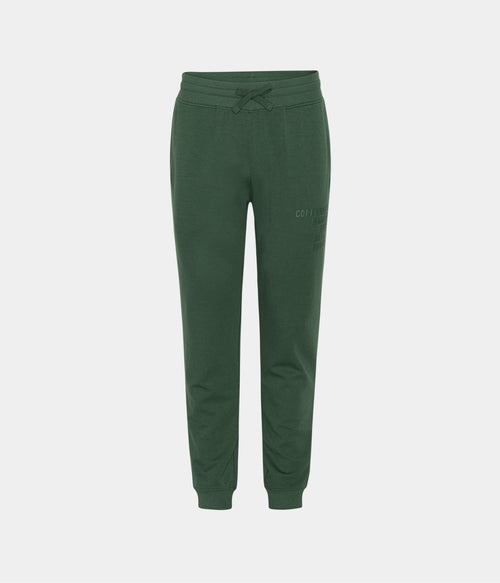
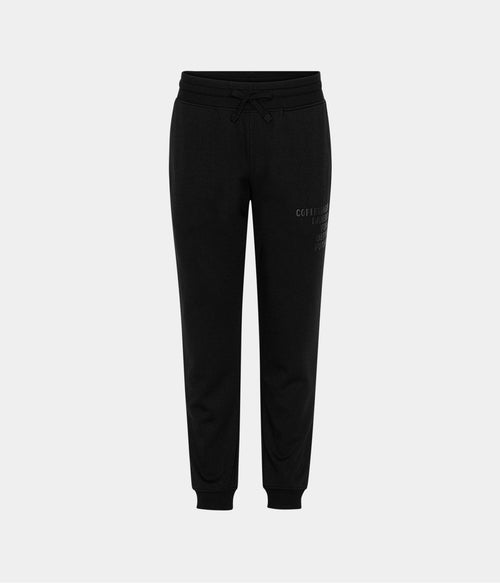
Half a year ahead it is hard to remember what you need, so write the list before the season ends. Go through the wardrobe while you are still wearing the clothes, and note what is worn or missing. Note for example whether you need bamboo sweatpants for women for cool evenings.
Store it properly until use
Put the clothes in a closed box in a dry, dark place so they are ready next year. New clothes do not need washing first, but remove plastic packaging so the fabric can breathe. Label the box with what is inside. This goes for everything from the most popular styles from Copenhagen Bamboo to basics you buy several of.
July is the month for summer clothes
In July summer is at its peak, but shops are already thinking about autumn. Now you can buy t-shirts, thin tops and light trousers you know you will wear next summer. Stick to the list and to the colours already in your wardrobe, so the new pieces fit in when they finally come out.
January is the month for winter clothes
After Christmas, prices on warm clothes fall. This is the time for jumpers, hoodies and sweatpants you know you will need when it gets cold again. Check that the fit is still right, and do not buy too big with next year in mind. Choose the size you wear today.
Fit half a year ahead
Buying clothes you will only wear later carries a risk, since your body may change a little. Stick to styles and sizes you already know, and avoid experimenting with new cuts in the sale. Try the clothes on when they arrive, so you can exchange them within the return period if they do not fit.
A plan for two seasons
Think of the year as two halves: a summer half and a winter half. Each half has its own list, and each list is bought at the end of that season. That way you shop twice a year with a clear purpose. The rest of the year you can skip shopping, unless something breaks.
Avoid buying too much in the sale
Low prices make it tempting to buy more than planned. A halved price is no saving if the item is never worn. Set a limit on what you will spend and stick to the list. If something is not on it, leave it and see whether you are still thinking about it a week later.
Frequently asked questions
How much do prices fall
Thirty to fifty percent at the end of the season. The biggest reductions often come last, but by then the range is smaller.
Is the range worse
In the final weeks yes, but the first weeks of the sale are good. Buy the most important items on the list early.
Can you remember your needs half a year ahead
Only with a list. Without one it becomes guesswork, and it is easy to buy something you already own.