Is bamboo viscose natural or manufactured
Sep 12, 2026
Short answer: Both. The raw material is a plant, but the fibre is dissolved and formed again in a chemical process. That is why bamboo viscose is called a regenerated fibre, sitting somewhere between natural and synthetic fibres.
Three kinds of fibre
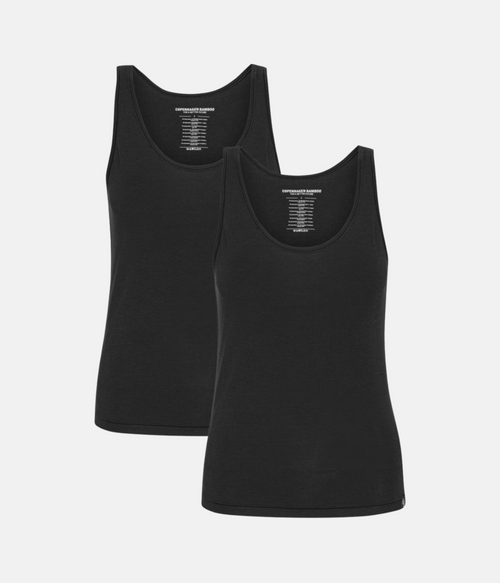
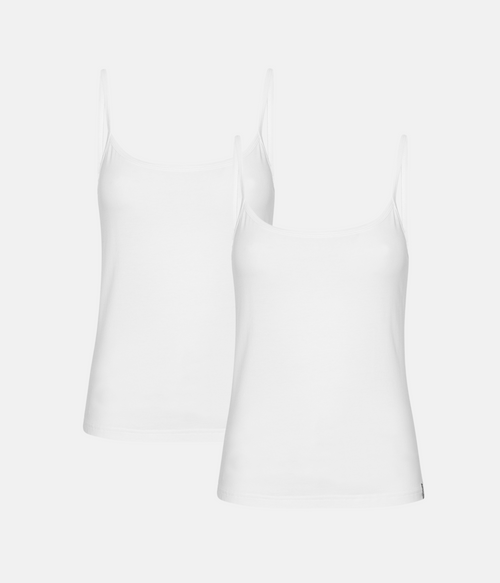
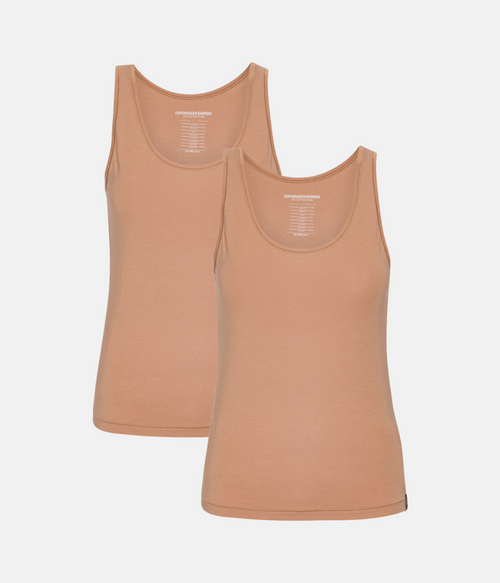
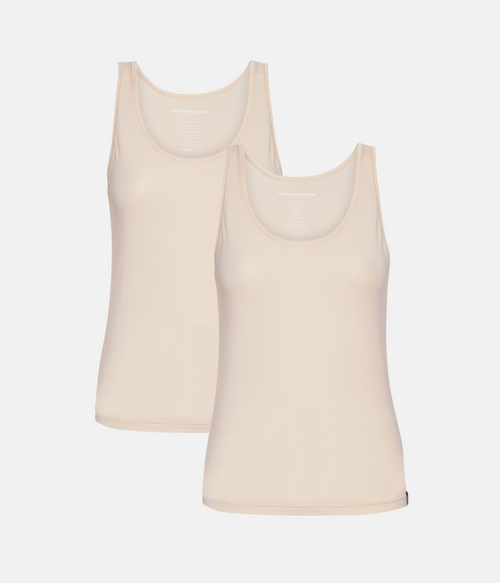
Textile fibres are often split into three groups. Natural fibres such as cotton and wool are used more or less as they are. Synthetic fibres such as polyester are made from oil. Regenerated fibres such as viscose sit in between, because the raw material is natural but the fibre is shaped by people. That is the fibre in bamboo tops for women.
What regenerated means
Cellulose from the plant is dissolved and spun into new fibres. The molecule is still cellulose, the same substance found in cotton and wood, but the structure is new. The fibre gets a length and thickness set by the producer. That gives the smooth, even surface you can feel in women's most popular styles.
From plant to yarn
The process starts with bamboo stalks being chopped and treated so the cellulose can be extracted. The cellulose is dissolved into a thick liquid, pressed through tiny holes and set into long filaments. These are washed, dried and spun into yarn, which is then knitted or woven into fabric. Each step needs control to give an even fibre.
Why it says so on the label
Textile rules require the fibre to be named after how it is made, not after the raw material. That is why the label says viscose and not simply bamboo. This helps you as a customer, because the name tells you something about how the fabric behaves. Check the labelling on products in our most popular styles.
What the process means for the feel
Because the fibre is formed anew, it can be made long and smooth. That largely explains why bamboo viscose feels soft and drapes well. A natural fibre like cotton has shorter fibres with more ends, which can feel drier and rougher. The difference is clearest in clothes that sit close to the body.
Caring for a regenerated fibre
Regenerated cellulose fibres are a little more delicate when wet than when dry. Wash at a moderate temperature, use a mild detergent and avoid wringing hard. Air drying is gentlest, and a hot tumble dryer can make the fabric shrink. With a calm wash, the garment keeps its shape for many seasons.
Natural is not a seal of quality
The word natural is often used as a plus, but it says little about how a garment works day to day. Natural, regenerated and synthetic fibres all have their strengths. What matters is whether the fabric suits what you need it for, and whether it feels pleasant and keeps its shape after washing.
How to choose
Look at the label, feel the fabric and think about what the garment is for. For clothes next to the skin, many prefer a smooth, soft surface, and bamboo viscose suits that well. For clothes that must handle heavy wear, a blend with other fibres may be better. It is about the right fibre for the job.
Frequently asked questions
So is it a man-made fabric
Not in the same sense as polyester. The raw material is plant based rather than oil, but the fibre is shaped in an industrial process, so it is not a pure natural fibre either.
Does bamboo viscose break down
Cellulose fibres break down over time under the right conditions. Dyes, elastane and other additives in the fabric slow this, so the finished garment behaves differently from the pure fibre.
Is there a difference between viscose and rayon
No. Rayon is the American name for the same material. You may therefore see either word on care labels, depending on where the garment was made or sold.