Layers that work in every climate
Sep 12, 2026
Short answer: There are three layers that work everywhere: a thin inner layer, a soft mid layer and an outer layer that stops the wind. The rest is adjustment, and once you understand what each layer does, dressing for unfamiliar weather becomes much easier.
The inner layer is the same everywhere
A thin layer that moves moisture away from the skin works in frost and at thirty degrees. The job is the same whatever the weather: keeping the skin dry so the body does not cool down needlessly or feel clammy. That is why the same inner layer can be worn all year. See bamboo underwear for women.
The mid layer adjusts the warmth
The mid layer is the one you take on and off as needed. It traps air and holds warmth when you stand still, and comes off when you move. A soft mid layer is easy to carry and bring out. A pair of bamboo sweatpants for women can work as a mid layer for the legs on cool days.
The outer layer handles the weather
Wind and rain are stopped by the outermost layer, not the inner ones. Even the best inner and mid layers lose their effect if the wind blows straight through. The outer layer does not need to be warm. Its job is to protect the other layers so they can do their work undisturbed.
Why three layers beat one thick one
A single thick garment can only do one thing: be warm. Three thin layers can be combined in many ways and adjusted to the weather all day. You can take one off walking uphill and put it back on when you sit down. That gives far more control than one big jacket.
Adjusting for heat
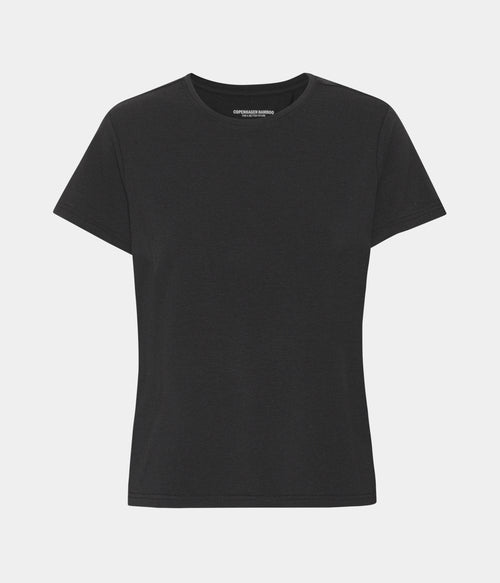
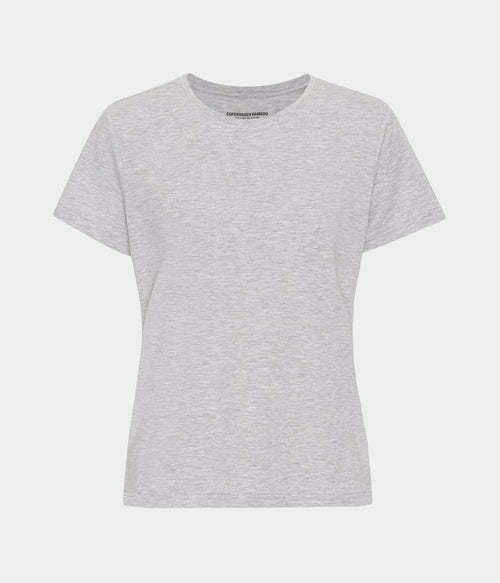
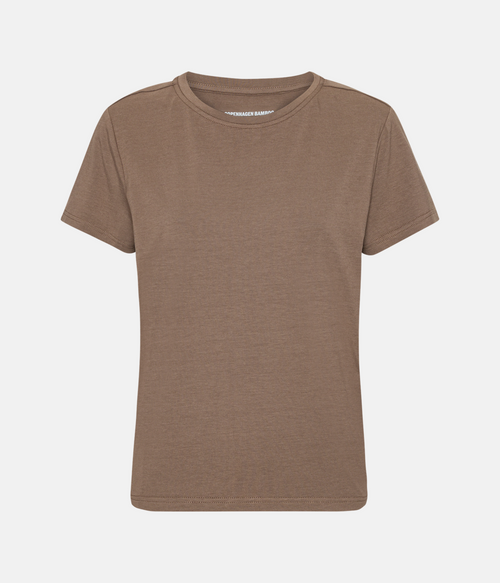
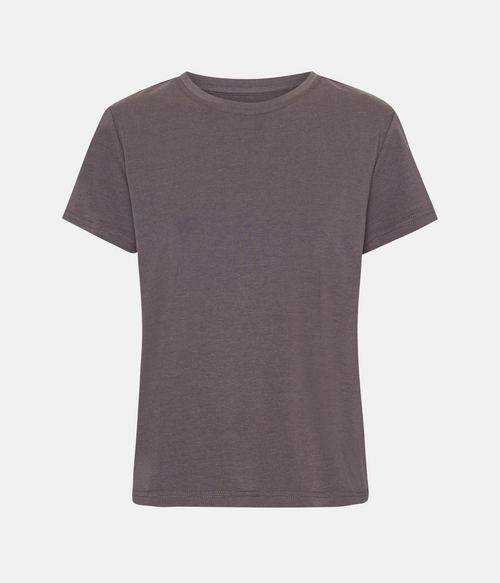
In warm weather the inner layer often becomes the only one. Then it matters that it is soft and comfortable on its own. A bamboo t-shirt for women can be an inner layer in winter and the only layer in summer. That makes it one of the most versatile pieces in the wardrobe.
Adjusting for cold
In the cold all three layers come into use, and the mid layer can be a little thicker. The most important thing is still that the inner layer keeps the skin dry. If you sweat under a thick layer and the moisture stays, you get cold quickly when you stop. It is better to remove a layer too early than too late.
Build the system over time
You do not need to buy a whole system at once. Start with a good inner layer you can wear all year. Then add a mid layer that suits your daily life, and finally an outer layer that can handle wind and rain. That way you end up with a wardrobe where the pieces work together.
When two layers are enough
In mild weather two layers are often enough. An inner layer and a light mid layer cover most days in spring and autumn. But when the wind picks up or it starts to rain, the third layer makes the difference. It is worth keeping it in your bag, even if you do not expect to need it.
Frequently asked questions
Which layers work in every climate
A thin inner layer that moves moisture, a soft mid layer for warmth and an outer layer against wind and rain. Together they cover everything from frost to hot days.
What is the job of the inner layer
To move moisture away from the skin. The job is the same in frost or at thirty degrees, which is why the same inner layer can be worn all year.
Can you manage with two layers
In mild weather, yes. The three layer system is what covers the full range from frost to heat, but on a calm spring day two layers are often enough.