Myth, bobbles mean poor quality
Sep 12, 2026
Short answer: Pilling is about fibre type and friction, not price or quality. Even expensive fabrics pill if the fibres are short and the fabric rubs against something. Fortunately, pills can be removed in no time.
Where the myth comes from
When a top develops small fuzz balls after a few weeks, it feels like a sign of poor quality. That is an understandable reaction, because the garment suddenly looks older than it is. But pilling says more about how the fibres are built and where the fabric is rubbed than about what the item cost or how carefully it was sewn.
What pilling is
Pills are small balls of fibre that have worked loose from the surface and tangled together. They form when loose fibre ends are rubbed back and forth until they knot. The balls stay put because a few fibres still anchor them to the fabric. It is a surface process, not a sign that the fabric is falling apart.
Fibre type decides most of it
Short fibres create many loose ends, and loose ends become pills. The more ends that stick out of the yarn, the easier they are to rub together. Fabrics with long fibres have fewer loose ends and pill less. That is a property of the fibres and yarn, not the price, see bamboo tank top for men.
Friction sets it off
Pills appear first where the fabric rubs against something. Under a bag strap, at the sides where your arms move, and where two surfaces meet. That is why a top can be smooth on the back and pilled under the arms. The pattern shows where you use the garment most, see bamboo T-shirts for men.
They come off in a minute
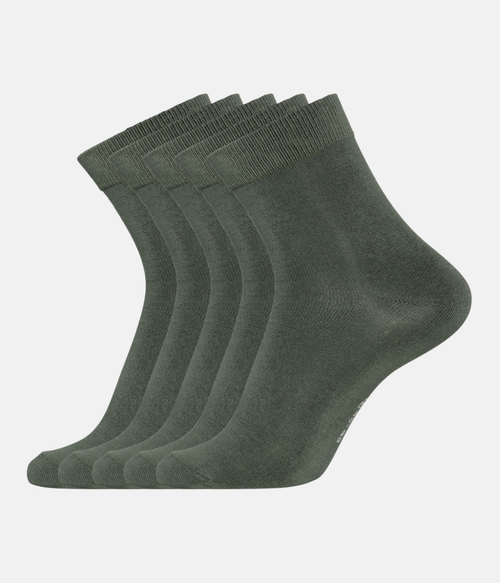
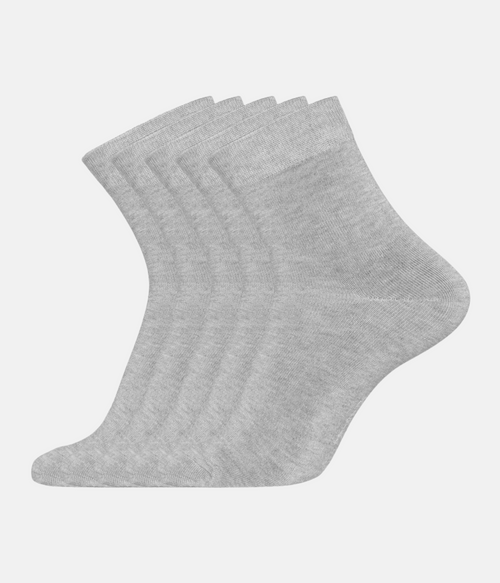
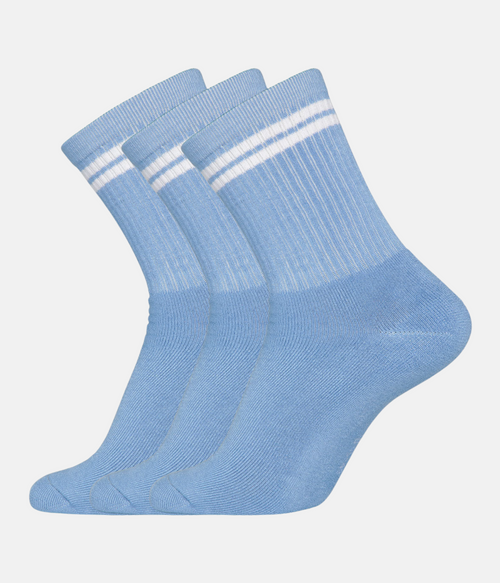
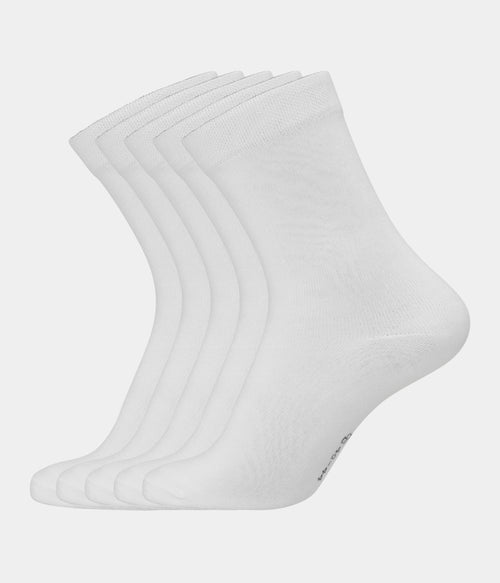
A fabric shaver makes the surface smooth again without damaging it. Lay the item flat on a table and move the shaver lightly over the surface without pressing. Empty the container as you go. For socks and thinner fabrics, a lint roller also works, see socks for men and women.
Washing that reduces pilling
Turn clothes inside out so the surface does not rub against other items in the drum. Wash at a low temperature on a gentle cycle, and do not fill the drum completely. Wash soft fabrics separately from jeans, zips or rough fabrics that wear the surface. Tumble drying on high heat also adds wear and lint.
Pilling often fades over time
Many people find pilling is worst in the first weeks. Once the loose fibre ends are removed, fewer remain to form new pills. If you remove pills a few times early on, the surface often stays nicer afterwards. So it is not necessarily a sign that things will keep getting worse.
What you can do day to day
Notice where pills form on your clothes and see if you can change something. A bag with a smoother strap or a different way of carrying it can help. Rotate between several items so the same one is not worn every day. Soft everyday clothing stays nicest with a little care and a fabric shaver close at hand.
Frequently asked questions
Does pilling mean the fabric is poor
No. It is about fibre type and friction. An expensive fabric with short fibres pills just as much as a cheap one if it meets the same rubbing.
Which fabrics pill the least
Those with long fibres, such as regenerated fibres like bamboo viscose and combed natural yarns, because they have fewer loose ends to tangle.
Should you throw away pilled clothes
No. Remove the pills with a fabric shaver, and the item looks like new again in a minute and can be worn for a long time yet.