Myth, clothes keep getting softer with every wash
Sep 12, 2026
Short answer: Clothes get softer during the first ten to twenty washes. After that the effect stops, and if the softness keeps increasing, it is because the fabric is wearing thin. Late softness is therefore a sign of wear rather than quality.
A common assumption
Many people have noticed that a new T-shirt feels nicer after a few washes. So it is easy to believe that clothes keep getting softer the longer you own them. That is only true up to a point. There is a natural explanation for the first softness, and a different one when the garment keeps changing.
The first washes make a difference
New clothes often have a finish from production that makes the fabric a little stiffer. In the first washes it rinses out, and the fibres settle into their natural shape. That is the change you feel as extra softness after the first few weeks. It is quite normal and a sign that the fabric is settling. See bamboo boxers.
Then the effect stops
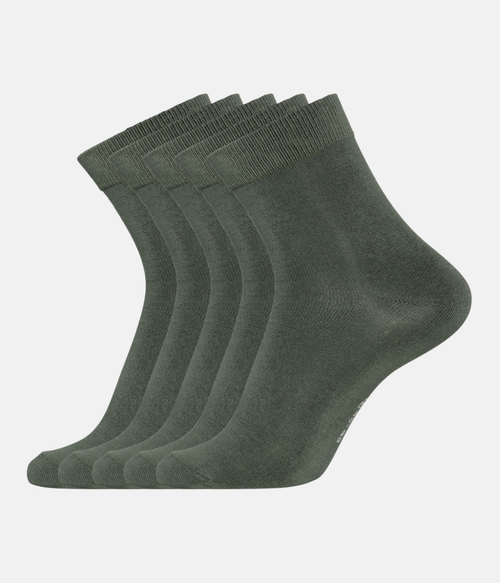
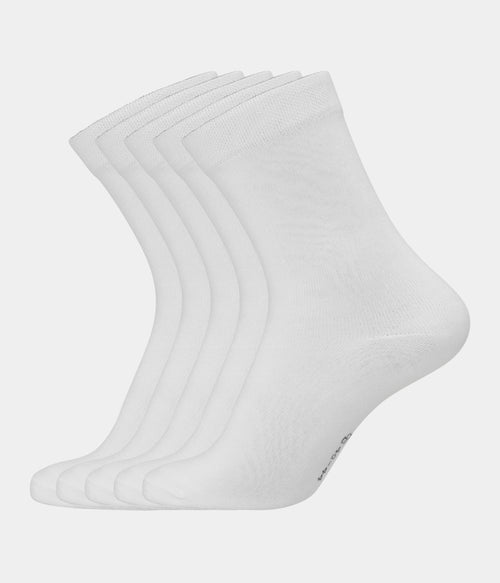
After ten to twenty washes the finish is gone and the fibres have settled. A good fabric then changes very little in softness. It feels much the same wash after wash for a long time. That is what you should want: a garment that keeps the same feel against the skin without getting thinner. See socks for men.
If it keeps softening, it is wear
Extra softness late in a garment's life usually means the threads have become thinner. Each wash removes a little material from the surface until there is less fabric left. It feels soft because there is less resistance, not because the quality has improved. Late softness is a sign of wear. See the men's range.
Signs the fabric is thinning
Hold the fabric up to the light. If more light shows through than before, it has become thinner. Look especially at the areas that get the most use, such as shoulders, elbows and seat. Elastic that no longer pulls back properly is another sign. When several of these show at once, the garment is nearing the end.
When a garment is worn out
A garment is worn out when the fabric has become see through at the shoulders or back, or when the elastic no longer contracts. It then no longer fits as it should and does not give the support or coverage you expect. It can still be worn at home for a while, but for daily use it is often time to replace it.
How to keep the softness longer
You cannot stop wear completely, but you can slow it down. Wash at a lower temperature, use a short programme for lightly soiled clothes and avoid the tumble dryer on high heat. Turn garments inside out and wash them with other soft items rather than heavy trousers with zips.
What to expect from your clothes
Expect new clothes to get a little nicer at first and then keep a stable softness. That is a good sign. If a garment suddenly feels much softer after a long time, look for signs of wear rather than being pleased. It helps you judge when it is time to replace it.
Frequently asked questions
Do clothes keep getting softer
No. For the first ten to twenty washes yes, after that a good fabric changes very little. The first softness comes from the production finish rinsing out.
What does it mean if clothes keep getting softer
That the threads are getting thinner. Late softness is usually a sign of wear rather than a sign of quality, because there is less fabric left.
When is a garment worn out
When the fabric has become see through at the shoulders or back, or when the elastic no longer contracts. Then it no longer fits as it should.