Myth, cotton is always best against the skin
Sep 12, 2026
Short answer: Cotton is good, but not automatically the best. It absorbs a lot of moisture and holds on to it, and a wet cotton layer feels cold and heavy against the skin. Which material is best depends on how you use the garment.
Cotton absorbs a lot of moisture
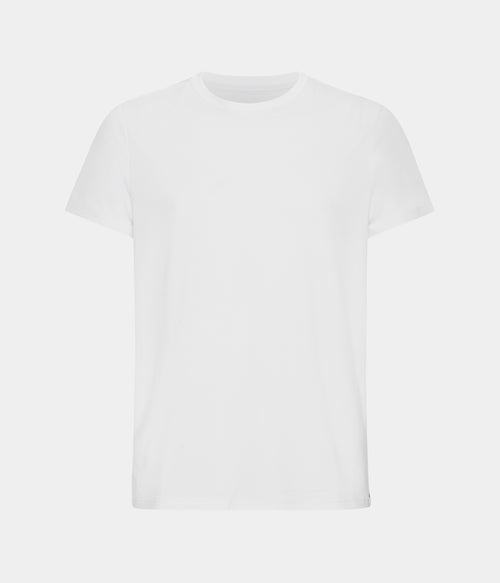
Cotton is known for soaking up a lot of moisture. That sounds like an advantage, and it can be when there is only a little moisture. But when you sweat more, the moisture stays in the fabric instead of moving away. The innermost layer gets wet. See men's bamboo undershirts, worn right against the skin.
Cotton holds on to moisture
Once cotton is saturated, it dries slowly and keeps feeling damp. The wet layer sits against the skin and can feel cold, especially when you stop moving. In winter this can leave you feeling chilly after a walk. It is not dangerous, but it is rarely pleasant.
The surface can be rough
Short cotton yarn has many loose fibre ends, which can feel rough against the skin. Cotton quality varies a lot, and yarn from longer fibres gives a smoother surface. But many everyday products are made from short fibres. Feel the fabric and check that the surface is even and soft. See long sleeve styles.
What an alternative offers
An alternative is a fibre that moves moisture on instead of holding it, such as bamboo viscose or a blend. The moisture spreads through the fabric and can evaporate, so the layer against the skin feels less wet. Many also find the surface smooth and soft. What feels best is personal, though.
When cotton is the right choice
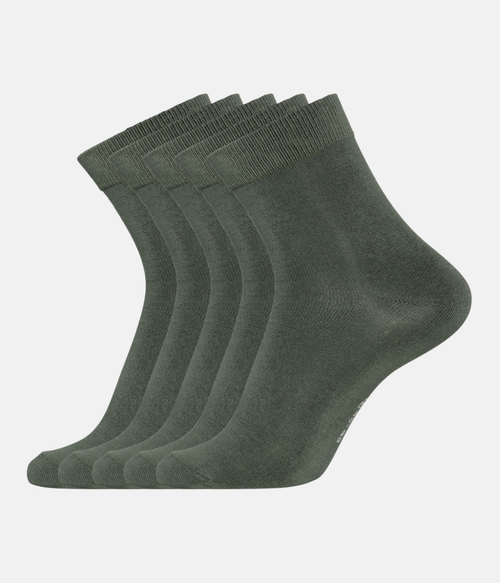
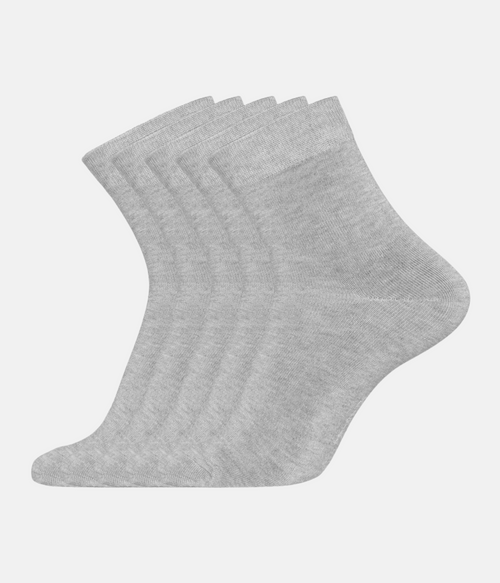
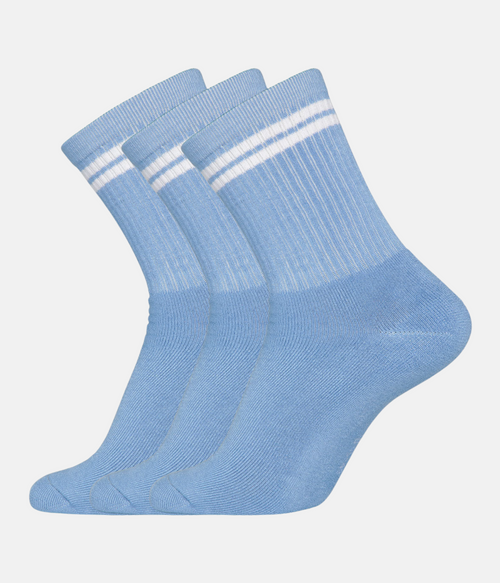
On dry, cool days without much movement, cotton works fine. When little moisture builds up between skin and fabric, its tendency to hold moisture does not come into play. A cotton layer can feel dry and comfortable on a calm day. See bamboo socks, where moisture from the feet makes the choice of material matter.
Think in layers and activity
The best choice depends on what you are doing. If you move a lot, it helps when the innermost layer does not hold moisture. If you sit still most of the day, it matters less. Choose the innermost layer by activity and use the outer layers to manage warmth.
When the skin is sensitive
Some people find that certain fabrics irritate the skin, which can come from fibres, surface or dyes. There is no fixed rule here, because skin reacts differently. Try different materials and notice how they feel. If you have ongoing skin problems, talk to your doctor.
The conclusion
The myth that cotton is always best against the skin does not hold. Cotton is good on calm, dry days, but it holds moisture, and a wet layer feels cold and heavy. When you move or sweat, a fibre that moves moisture on may be a better choice. Choose by use.
Frequently asked questions
Is cotton best against the skin
Not automatically. Cotton absorbs a lot of moisture and dries slowly, and a wet layer feels cold and heavy against the skin.
When is cotton a good choice
On dry and cool days without much movement, when little moisture builds up between skin and fabric during the day.
What is the alternative
A fibre that moves moisture on instead of holding it, for example bamboo viscose or a blend of several fibres.