Myth, smell means the clothes are dirty
Sep 12, 2026
Short answer: Smell and dirt are two different things. A garment can smell without being dirty, and it can be dirty without smelling at all. Once you know the difference, it becomes easier to choose between airing and washing.
Two different things
Many people use their nose as the only test when deciding whether clothes need washing. It seems simple, but smell and dirt each have their own cause and their own solution. Smell is about what happens on the skin during the day. Dirt is what settles in the fabric from outside. Mix them up and you wash too much or too little.
Smell comes from bacteria
Sweat hardly smells when it leaves the skin. The smell appears when bacteria on the skin convert sweat into other substances, and those are what the nose picks up. So it is not dirt in the usual sense. That is why clothes worn close to the skin usually smell more than loose outer layers. See bamboo panties.
Dirt is particles
Soil, food and dust are dirt. They are small particles that lodge between the fibres, and they can be there without smelling of anything. A coffee or sauce stain is easy to see even when the nose notices nothing. Dirt is removed with water, detergent and movement, not with fresh air or time. See bamboo tops for women.
Smelly but not dirty
A jumper you wore on a warm day can smell of sweat without a single stain. A jacket that hung in a kitchen can pick up smells from its surroundings. In both cases the fabric is not really dirty. It has simply absorbed volatile substances, which can often escape again on their own if given some fresh air.
Dirty but not smelly
The opposite also happens. A pair of trousers can have dust and soil on the knees after gardening and still smell neutral. A shirt can have a small mark on the sleeve that nobody notices by smell. Airing does not help here, because the particles are stuck in the fibres. If you wait, the stain usually gets harder to remove.
Airing removes smell, not dirt
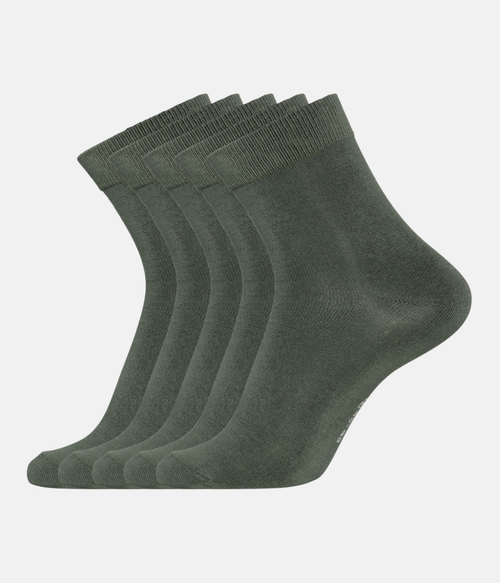
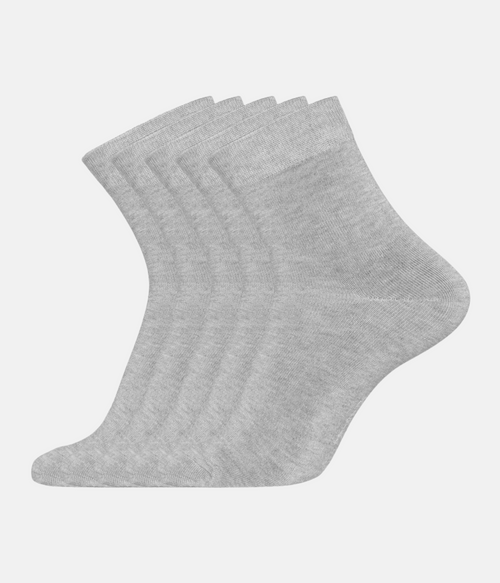
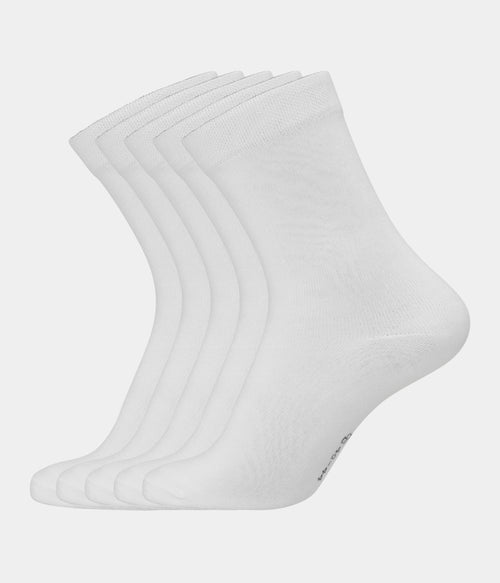
An outer layer can often be aired fresh. Hang it outside or by an open window overnight and the volatile substances that smell can disappear. Airing does nothing for a stain, though, however long the garment hangs. So air what only smells, and wash what has visible marks. See socks for men and women.
Inner and outer layers
A useful rule of thumb is to separate what sits directly against the skin from what is worn on top. Underwear, socks and tops have collected sweat and bacteria and should be washed after wearing. A jacket, a cardigan or a hoodie can often be worn several times with airing in between.
When clothes need washing
Three situations make the choice easy. If a garment has been against the skin all day, wash it. If there are stains or visible dirt, wash it. And if the smell stays after a night of airing, wash it too. In every other case you can calmly wear it one more day and save both a wash and some wear.
Frequently asked questions
Does smell mean clothes are dirty
Not necessarily. Smell comes from bacteria on the skin converting sweat, while dirt is particles that settle in the fabric. One can easily occur without the other.
Can you air out a smell
Often yes, on outer layers. Fresh air removes the volatile substances that smell, but it does not remove stains, and it does not replace washing clothes worn against the skin.
When should clothes be washed
When they have been against the skin, when there are stains, or when the smell remains after a night of airing. Otherwise a good airing is often enough.