One sleeve is wider than the other
Sep 20, 2026
Short answer: A difference between two sleeves almost always comes from one being pulled during drying or wear. Dampen the fabric and shape it back, and the difference evens out without a trip to a tailor.
How the difference appears
You use one arm more than the other, and you push the sleeve up with the same hand every time. They are small movements, but they add up. Over half a year they produce a visible difference on things like bamboo T-shirts for men. So it is a habit of use, not something you did wrong.
Knit remembers the last pull
The stitches stay in the shape they were last dried in, so the difference is locked in at every drying. A stretched sleeve stays stretched until you reshape it. That applies to every knitted layer, including sweat clothes in bamboo. The shape can change again as long as the stitches are intact.
How to even it out
Dampen both sleeves, lay the sweater flat on a towel, and shape the wider sleeve to the same width as the other. Smooth the fabric lightly with your hand so the stitches lie evenly. Leave it to dry flat and undisturbed, so the new shape is set, and repeat after the next wash if needed.
Check with a tape
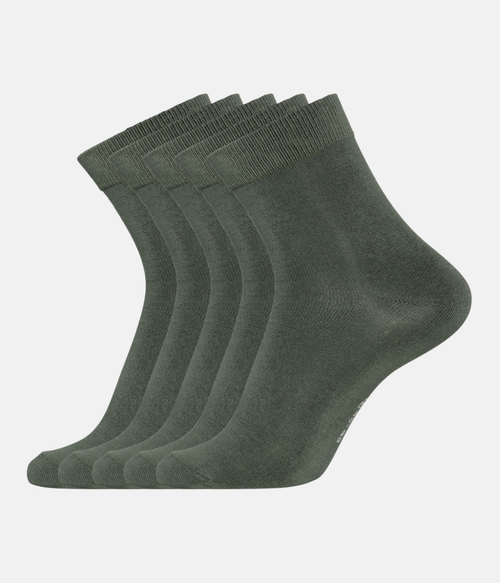
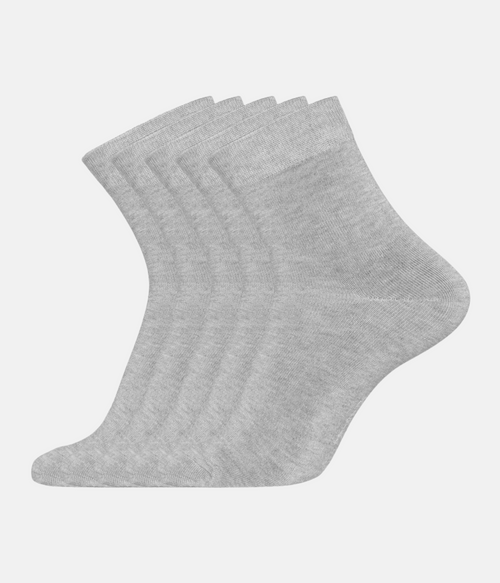
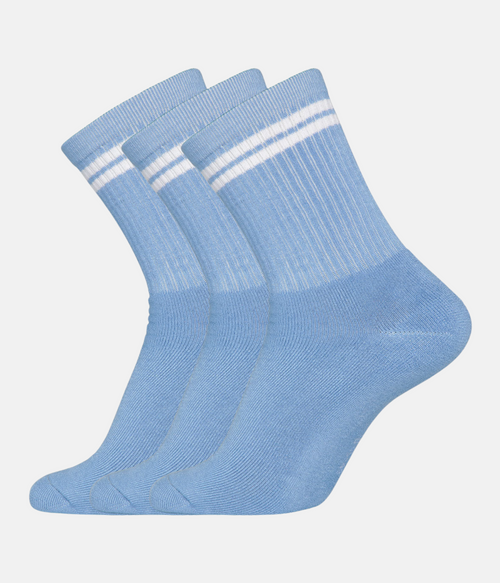
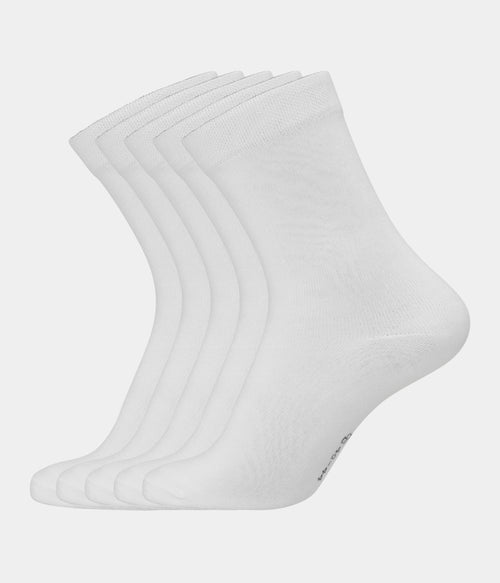
A tape measure makes it easy to see whether the sleeves match. Measure the width at the upper arm and at the cuff, and compare both sides. It is the same approach you can use on bamboo socks for men and women if the cuff has been stretched. A few minutes with the tape saves you guessing by eye.
Switch hands when you roll up sleeves
If you push the sleeve up with your right hand every time, it is always the same sleeve that gets stretched. Switch hands, or push both sleeves up at once with both hands. It is a small change that spreads the wear and costs nothing. In time both sleeves even out.
Always dry flat
Flat drying is the most important habit, because a sleeve on a hanger is pulled down by its own weight. Lay the sweater on a drying rack or a towel with the sleeves out to the side, and leave it to dry without touching it. Then neither sleeve is stretched while the stitches settle.
Check whether it was there from the start
If the difference was there on day one, it may come from how the piece was sewn, so compare the sleeves before you wear it. If it appeared after several months, you are seeing wear and drying. You can fix that yourself, as described above, without touching the seams.
Act early
The sooner you notice the difference, the easier it is to fix. A sleeve that is slightly too wide gives way after a single round of dampening and flat drying. If the difference has grown large over a long time, it may take several attempts. Glance at the sleeves when you fold laundry, so you catch it while it is small.
Frequently asked questions
Does it go away on its own
No. Without flat drying the difference grows, because the stitches lock into the shape they last dried in. Reshape the sleeve gently while it is damp.
Is it a sewing fault
Only if the difference was there from day one. If it came after months of use, it is wear and drying, and you can reshape the sleeve with a little moisture.
Can you avoid it
Yes, switch hands when you roll up your sleeves and always dry flat. With those two habits the strain is spread, and both sleeves keep the same width.