Photos that help a case along
Sep 20, 2026
Short answer: Take three photos: the whole item, a close-up of the problem and the care label. Those three cover almost every question a case handler might have and make it possible to settle the case without extra rounds.
The whole item shows the context
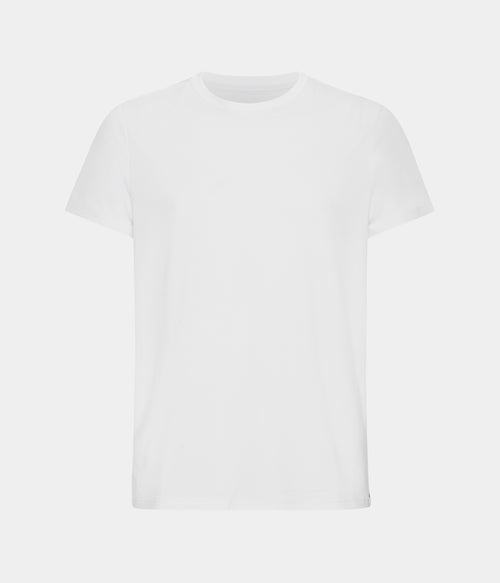
A photo of the whole item shows which model it is and how it looks overall. It gives an overview before the details. Lay the item flat on a plain surface in daylight so nothing distracts. That also applies to items from the range for men, whatever type of garment it is.
The close-up shows the fault
Get close and use daylight so the fault is clearly visible. A hole, a loose thread or a discolouration is easy to miss in a photo taken from a distance. Hold the phone still and let it focus before you tap. Two close-ups are better than one blurry one. That also goes for a seam on bamboo T-shirts for men.
The care label identifies the item
The label shows the fibre content and often an item number, which speeds up handling for both sides. Then there is no doubt about which item and size it is. Smooth the label out so the text is readable. Photograph it along with the rest, also on your bamboo tank top for men.
Daylight rather than flash
Flash creates harsh shadows and shiny spots that can hide a fault or make it look different. Stand by a window, ideally out of direct sun, and let the light fall evenly on the item. That keeps the colours true and the details sharp. It matters most in cases about colour or discolouration.
Add something for scale
If the fault is small, it can be hard to tell how big it is. Place a coin or another familiar object next to it, and the photo gains a scale. That helps judge the extent without having to ask. It is a small thing that can save a whole round of questions and answers.
Check the photos before sending
Look through the photos before you attach them. Are they sharp, is the fault visible and can the label text be read. An unclear photo often leads to a new request, and then the time was wasted. It takes seconds to check and take a new one if the first was not good enough.
Send the photos with the first message
Attach the photos to the first email together with the order number and a short description. Then everything is there at once and a decision can be made straight away. If the photos arrive later, the case has to be reopened and the reply is delayed. Three photos and a few lines are usually enough.
When there is nothing to see
Some cases are about fit or feel, and that cannot always be photographed. Then briefly describe what you notice and when it started. A photo of the whole item and the label is still useful, because it shows which item it is. A clear, short description in the message covers the rest.
Frequently asked questions
How many photos should you send
Three is enough in most cases: the whole item, the close-up of the fault and the care label. More is rarely needed.
Should you use flash
No, daylight gives the clearest photos. Flash can create shadows and shiny spots that hide exactly the detail that needs to be seen.
What if the fault is hard to see
Add something for scale, such as a coin. Get close and feel free to take two close-ups from slightly different angles.