The switch from autumn to winter
Sep 12, 2026
Short answer: The shift to winter is about damp before cold. November is wet, and only in December does it get truly cold. Two different problems that call for two different answers: an outer layer against wet and wind, and a mid layer against frost.
Damp comes before frost
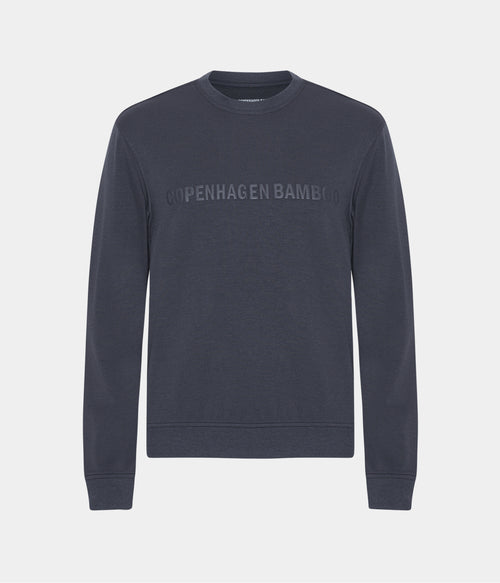
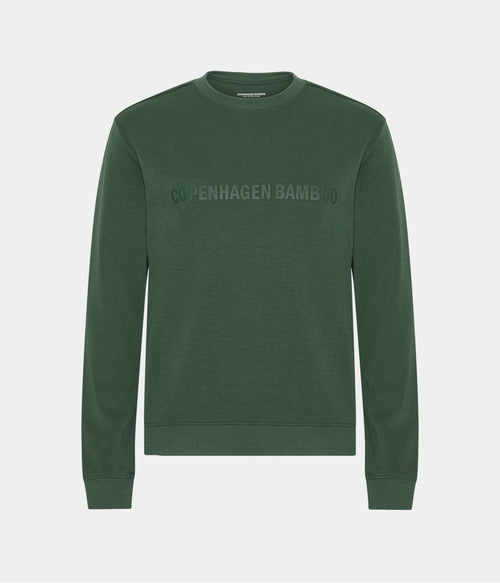
In November the problem is water and wind, not temperature. Rain and wind make a mild day cold, because wet clothing draws heat away. The first step into winter is therefore staying dry. A soft mid layer under an outer layer that keeps water out is a good start. See bamboo sweatshirt for men.
Frost arrives in December
Only when the temperature drops below zero does the need shift to insulation. The air gets drier, and now the cold, not the damp, is the problem. This is where a warm mid layer makes the biggest difference, and it is time to bring out the thicker layers. See bestsellers for men.
Two different answers
Against damp you need an outer layer, against frost a mid layer. Many people bring out their thickest layer too early and still feel cold, because November gets wet. Think of the two needs separately and build your layers around what the weather actually does. A soft set for home helps in both months. See bamboo jogging suit.
The inner layer keeps you dry
Whether it is damp or frost, it starts with the innermost layer. Sweat from a brisk walk or a bike ride stays in your clothes if the inner layer holds on to moisture. A thin, soft layer that lets moisture out makes the other layers work better, because your body does not spend heat drying your clothes.
When winter layers come out
When the morning temperature sits steadily below five degrees, it is time for the warm layers. That is usually at the end of November. Before then a thinner mid layer is often enough, as long as you stay dry. Look at a week of mornings rather than single cold days.
Wet feet
In the transition your feet are often the first to get cold. Wet leaves, mud and slush soak through your shoes, and a wet sock makes your whole body cold. Keep several pairs of socks in rotation and let your shoes dry completely between uses. It is a small habit that makes a big difference.
Change when you come in
When you come in after a wet trip, it is better to change right away than to wait for your clothes to dry on your body. Damp clothing draws heat away, even indoors. Keep a dry set ready at home and hang the wet things where air can reach them.
Washing and care
Wash at a moderate temperature and let your clothes air dry, so they keep their shape and softness. In the wet season laundry dries slowly indoors, so air out the room a few times a day. Thin layers and socks dry fastest, which is a good reason to have a few more of them.
Frequently asked questions
What is the difference between November and December in the wardrobe
November calls for an outer layer against wet and wind. December calls for a mid layer against frost. Two different needs that are best handled separately.
When should winter layers come out
When the morning temperature sits steadily below five degrees. That is usually at the end of November, but look at a whole week rather than single cold days.
What matters most in the transition
Staying dry. Moisture from rain and sweat is what makes autumn feel colder than winter for many, because wet fabric draws heat away no matter how many layers are on top.