The wardrobe after a clear out
Sep 20, 2026
Short answer: After a clear out you are left with the clothes you actually wear, and the gaps become obvious. Wait a month before filling them, so you know exactly what is missing and do not simply buy the same things again.
The gaps show up on their own
In the first weeks after a clear out you notice which days feel harder without what you gave away. Perhaps you lack something for a cold morning, or you run out of clean base layers midweek. Write it down each time. After a month you have a short, honest list to compare with the range of women's clothing.
Why you should not buy straight away
Right after a clear out it is tempting to fill the wardrobe again. In the first days you mostly remember what you just removed, not what you truly miss. Waiting gives you time to tell a real need from a habit. That means fewer purchases that end up unworn at the back of the wardrobe.
Buy fewer and better
With an overview you can buy the right thing instead of the cheap thing. One piece you wear twice a week does more than three you rarely put on. Look at fit, fabric and how easy it is to wash. This also applies to everyday pieces like a bamboo jogging suit, worn at home, at weekends and on the sofa.
Think in days rather than items
A good way to plan is to think about ordinary days. What do you wear on a workday, a quiet Sunday and an evening at home. If you can dress for each of them without searching, the wardrobe works. If one day is missing something, that is where you buy first, not where you already have plenty.
Base layers are often forgotten
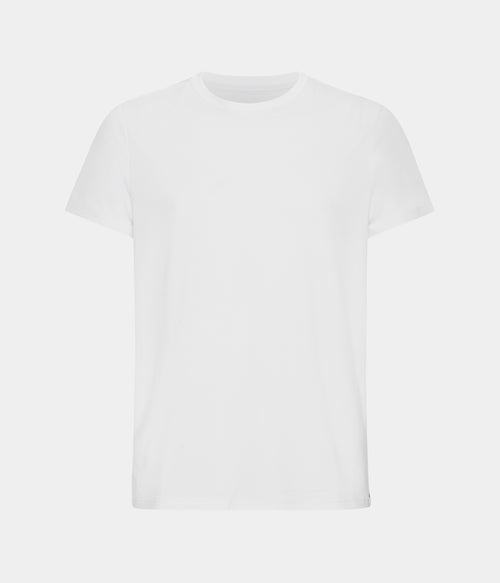
When clearing out, most people look at the clothes others see. Yet base layers are often what wears out first and runs short. With too few you wash more often and clothes wear faster. Count how many you use in a week and make sure you have enough. That includes a soft bamboo bra for everyday wear.
Keep the level afterwards
A simple rule that something goes out each time something new comes in keeps the wardrobe in order. It sounds strict, but it makes decisions easier because you always choose between two real items. It also stops the wardrobe from slowly growing again until you face the same problem as before. The rule works best when you follow it every time.
Give what you remove a new life
The clothes you take out do not need to end up in the bin. Whole, clean pieces can go to friends, be sold second hand or be handed in for reuse. Worn pieces make good cleaning cloths. Knowing the clothes will be used again often makes it easier to let go, and the clear out feels less wasteful.
Do a small check every six months
A big clear out once a year can feel heavy. It is easier to look through the wardrobe twice a year, for example when the season changes. Take out what you have not worn for six months and ask if you miss it. That way you keep the overview, and the next big clear out may not be needed.
Frequently asked questions
How long should you wait
A month is usually enough for the gaps to show. In that time you go through most kinds of ordinary days and see what is really missing.
What do people end up missing
Often a nice outfit for days when they go out, and enough base layers for a full week so they do not have to wash midweek.
How do you stop it filling up again
One in, one out. It works better than a yearly clear out, because the wardrobe never gets the chance to grow large again in between.