Thin or thick socks, what suits what
Sep 12, 2026
Short answer: Thin socks for closed shoes, warm days and smart clothes. Thicker socks for boots, cold weather and long walks. The shoe decides more than the weather, because a sock that does not suit the shoe causes pressure and friction, however warm it is.
The shoe sets the space
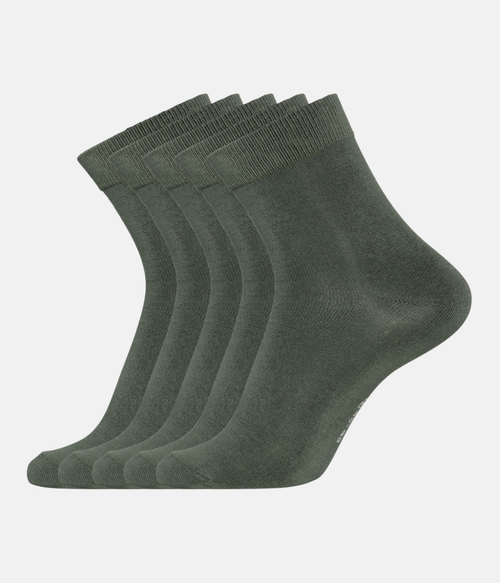
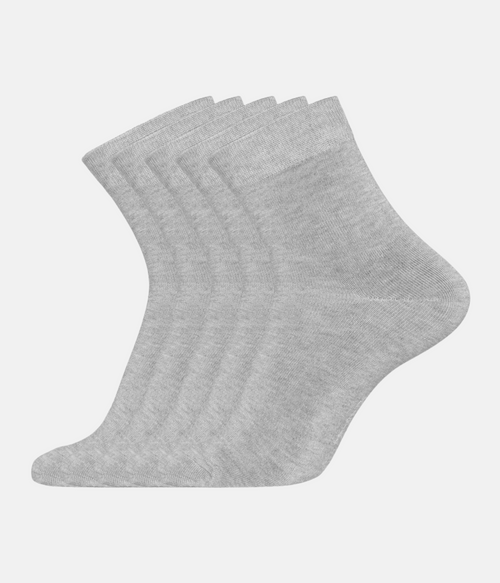
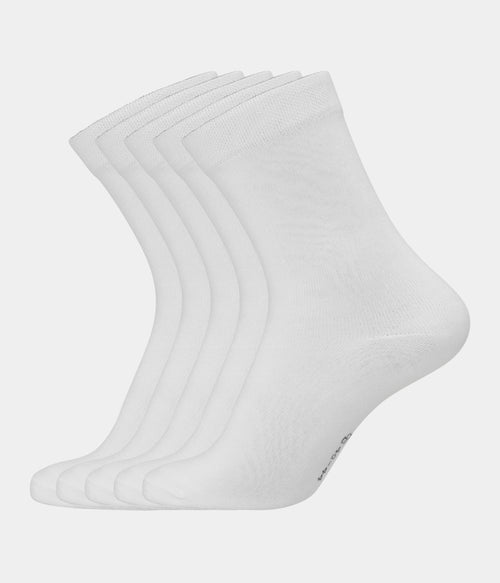
A shoe is made for a certain amount of foot. If the sock is too thick, the shoe presses, and the foot gets colder rather than warmer, because there is no air around it. So choose a thin model from socks for women for ordinary shoes, ballet flats and loafers, where space is limited.
Thickness is not the same as warmth
Warmth comes from air and a dry foot, not from the amount of fabric alone. A thin sock that moves moisture can feel warmer than a thick, damp one. That is why a thicker sock rarely helps in a shoe that already fits closely. Take a look at the range in socks for men and women.
Thicker for boots and long walks
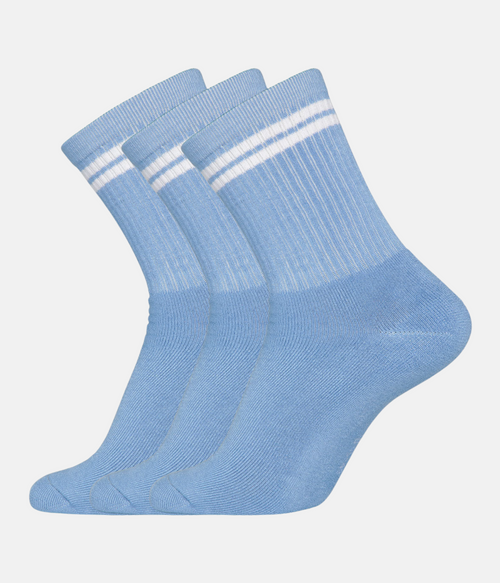
In boots there is room for more fabric, and padding under the foot makes a noticeable difference on long walks and cold days. The extra thickness fills the space where the foot would otherwise slide. Many men wear a thicker model in winter. You will find the models in socks for men.
Thin for smart clothes
With a suit, a dress and smart shoes, a thin sock is the natural choice. It lies smoothly under your trousers and does not make the shoe tight. Thin socks also look calmer at the ankle, where a thick sock can create a visible edge. For the office and for parties, thin is usually right.
Medium for work shoes
For work shoes, where you stand and walk for many hours, a medium sock is often best. It has enough padding for hard floors, but not so much that the shoe feels tight. Try it in your own work shoes for a full day before buying more pairs, so you know it suits your shoes.
The season matters less
In summer, thin socks are the natural choice, but most people wear thin socks indoors in winter too. It is only outside in the cold and in boots that thickness makes a real difference. With both thin and thick pairs in your drawer, you can choose by the shoes of the day rather than the calendar.
Two thin instead of one thick
If the shoe has room, two thin pairs can give both moisture transport and warmth. The inner pair moves moisture, and the outer pair holds the warmth. If there is no room, two pairs cause pressure and colder feet. Pay attention when you lace up: if it feels tight over the instep, stick to one pair.
How to build your drawer
Most people manage with mostly thin pairs and a few thick ones for winter and hikes. Count how many days a week you wear boots, and buy thick pairs to match. The rest can be thin everyday pairs in colours that suit your clothes. Then you always have the right pair for the shoe.
Frequently asked questions
What thickness for work shoes
Medium. Enough padding for hard floors, but not so much that the shoe tightens over the instep after many hours on your feet.
Are thin socks colder in winter
Not indoors. Outside in freezing temperatures you need more, and a thicker sock in a boot with enough room is then the best choice for most people.
Can you wear two thin pairs instead of one thick
Yes, if the shoe has room. Otherwise it causes pressure and colder feet, so pay attention when you lace up and stick to one pair if it feels tight.