Underwear and odour, what the material does
Sep 12, 2026
Short answer: Odour appears when bacteria break down sweat in a damp environment. A fabric that moves moisture away from the skin makes conditions worse for bacteria, but it does not replace a clean piece every day.
Moisture is the starting point
Sweat does not smell on its own. It is the breakdown of sweat in damp conditions that creates odour, and that process runs more slowly in a fabric that stays dry. So the question of odour is mostly a question of moisture. The faster moisture moves from the skin into the fabric, the less room there is for odour during the day.
Dense synthetic fabrics are the worst
Fabrics that neither absorb nor release moisture keep it trapped between skin and fabric. Bacteria thrive there, and odour comes faster. Many people notice this on warm days or after a long working day. A fabric that absorbs moisture and lets it evaporate keeps things drier, and that is the quality to look for in underwear.
What bamboo viscose does
Bamboo viscose absorbs moisture and releases it again, so the skin feels drier for longer. That is the practical advantage, and it shows most on long days. The fabric is also soft and smooth, so it sits close without chafing. For everyday wear, see the styles in bamboo panties, cut to sit calmly all day.
Fit matters too
A piece that is too tight presses the fabric against the skin and allows less air. A piece that is too loose folds and collects moisture in the folds. The right size sits close without squeezing, so the fabric can do its job. Check the waistband and legs when you try a new style, and choose the size that feels calm when seated.
For men
Men often sweat most around the crotch and thighs, and here a fabric that absorbs moisture well makes a clear difference. Longer legs keep fabric between the thighs, so skin does not rest against skin. Choose a style that does not ride up as you walk. See the cuts in bamboo boxers, with both short and long legs.
An extra layer under a dress
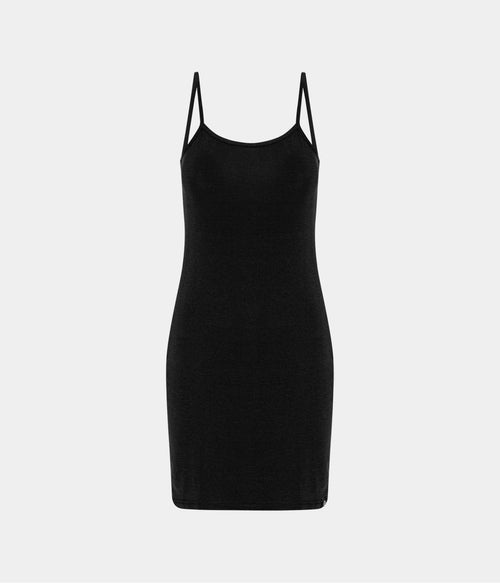
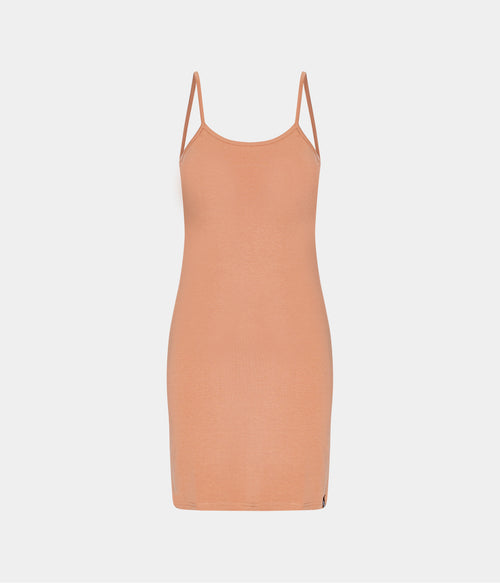
Under a dress or skirt, a slip can take up moisture before it reaches the dress fabric. That keeps the skin drier and protects the dress from marks. It is especially useful on warm days or at long events where you cannot change. A soft layer such as bamboo slips lies smoothly and follows your movements without clinging.
Changing daily matters most
No material replaces a clean piece every day. Even the best fabric collects sweat and skin residue during the day, and that needs washing out. Keep enough in the drawer so you never wait for the laundry. Many people find seven to ten pieces works well, so there is always something clean ready, even in busy weeks.
Wash it properly
Wash at 40 degrees with a full dose of detergent and let it air dry. Too little detergent leaves residue that can cause odour later. Skip fabric softener, as it coats the fibres so they absorb moisture less well. Turn pieces inside out before washing, so the side closest to the skin gets the most water.
Frequently asked questions
Is bamboo antibacterial
It is marketed that way a lot, but in finished fabric the main effect is that moisture is moved away from the skin. That helps, but it does not make daily washing unnecessary.
Why do some pieces smell after washing
Residue from bacteria and detergent can stay in the fabric. Wash at 40 degrees with a full dose, air dry, and avoid leaving worn pieces damp in the basket for long.
Does washing hotter help
A little, but it wears the elastic and can pull the fabric out of shape. An extra rinse and the right dose of detergent often help more than a higher temperature.