Underwear for winter, layer by layer
Sep 12, 2026
Short answer: In winter, the innermost layer matters more than the outer one. A thin layer that moves moisture keeps you warmer than a thick layer that soaks up moisture and holds on to it.
The inner layer decides the warmth
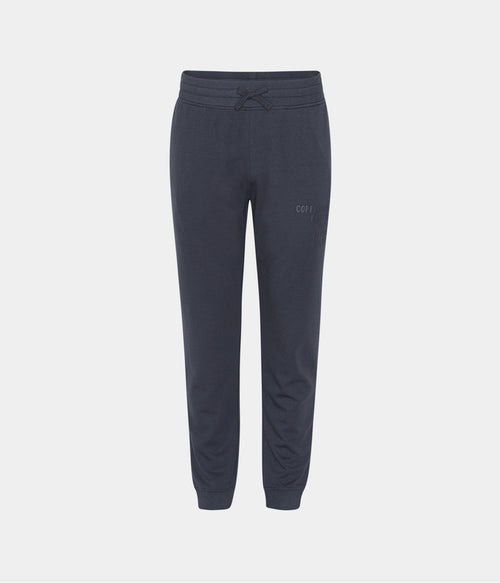
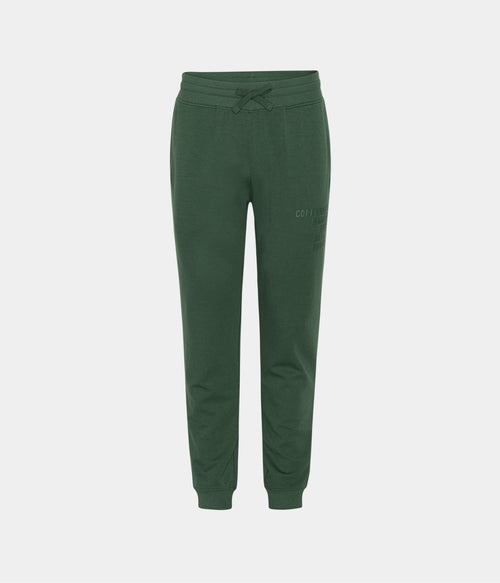
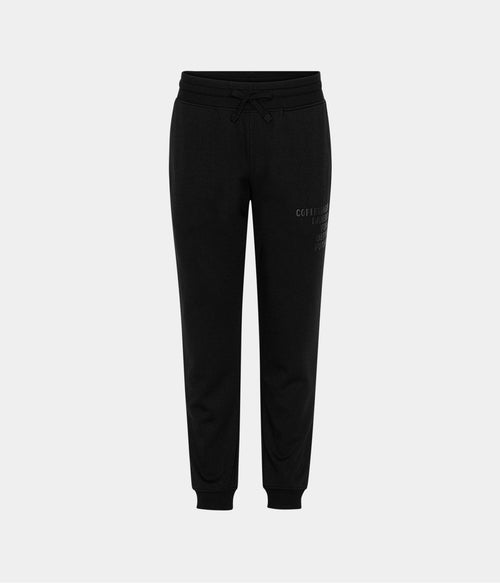
If the inner layer gets damp, it cools the skin, however much you wear on top. It is moisture that steals warmth, not just the cold outside. That is why layering starts with a piece that moves moisture along and keeps the skin dry. For cold days, see the soft styles in bamboo joggers for men.
Thin layers rather than one thick
Two thin layers trap more air than one thick layer, and it is the air between them that insulates. You can also take a layer off indoors and put it back on outside. That gives far more control than a thick jumper that is either too warm or too cold. See the options in bamboo sweatpants for men.
Three layers, three jobs
The inner layer moves moisture away from the skin. The middle layer insulates and holds warmth, such as a sweatshirt or fleece. The outer layer keeps wind and rain out. When each layer has its own job, none of them needs to be thick, and you can adjust to the weather instead of dressing for the worst.
Avoid sweating in too many clothes
Many people dress too warmly in winter and start sweating as soon as they walk fast or step onto a bus. The sweat settles in the inner layer, and when you stand still again, you get cold. It is better to start with one layer too few and add it if you feel cold.
Change when you get home
The inner layer is often damp after a day outside, even if you have not noticed. Change into a dry piece as soon as you get home, and the evening will feel warmer and more comfortable. For women, a clean pair of bamboo panties can be a simple part of the routine once the coat is hung up.
Indoors in winter
Indoors in winter, the air is often dry and warm from radiators, while it can be cold by windows and floors. A thin inner layer with a soft layer on top lets you adjust as you move between rooms. That way you do not need to turn up the heating to stay comfortably warm at home.
Fit of the inner layers
The inner layer should sit close to the body to move moisture along. If it is loose, moisture gathers in the folds and stays there. At the same time, it should not be so tight that it presses under the other layers. Choose your exact size and check the waistband is soft, as it sits under trousers and belt.
Washing and drying in winter
In winter, clothes dry more slowly because the air outside is cold or damp. Wash the inner layer at 40 degrees after each use and dry it indoors on a rack. Thin pieces dry faster than thick ones, which is another reason to layer with thin pieces rather than thick.
Frequently asked questions
Is bamboo warm enough as an inner layer
Yes, because its job is to move moisture, not to insulate. The outer layers provide insulation, while the inner layer keeps the skin dry so the warmth stays.
How many layers do you need
Two to three. An inner layer that moves moisture, an insulating middle layer and a windproof outer layer that keeps wind and rain out on cold days.
Can you wear cotton as an inner layer in winter
You can, but cotton holds on to moisture and cools the skin when you stand still. For long days outside, a fabric that moves moisture along is a better choice.