What a size chart does not tell you
Sep 12, 2026
Short answer: A size chart gives numbers for chest, waist and hips. It says nothing about the cut, how much the fabric stretches or where the garment is meant to sit on the body. You need those three things before the numbers make sense.
What the chart shows
A size chart is a table of sizes and numbers. It usually lists chest, waist and hip for each size. It is a good place to start, because you can compare your own measurements with it. But the numbers are only part of the picture. They tell you which body a size is made for, not how the garment will fit.
The cut is not in the numbers
Two models with the same chest width can fit completely differently. One may be cut close to the body, the other may hang loose with extra room. The chart shows the same number for both, because it starts from the body, not the fabric. So you can wear the same size in two pieces and feel them very differently. See bamboo boxers.
Slim fit and oversized
A slim fit and an oversized cut do not share a fit, even when the chart gives the same numbers. Slim fit is meant to follow the body, oversized is meant to hang freely. Pick your usual size in both and you get two very different results. Always read how the cut is described before using the numbers.
Stretch is rarely in the chart
How much a fabric gives is rarely in the chart itself. The fabric composition sits elsewhere, usually in the product text. A stretchy fabric can sit closer without pulling, while a fabric without stretch needs more room. That changes which way to go if you fall between two sizes. See bamboo T-shirts for men.
Read the fabric before you choose
Finding the fabric composition takes a moment and often saves a return. If the fabric contains elastane, it gives more, and your usual size usually works. If only one fibre is listed, look more closely at the fit description. Use the fabric together with the chart, not instead of it, and your choice gets far more reliable.
Where on the body is missing
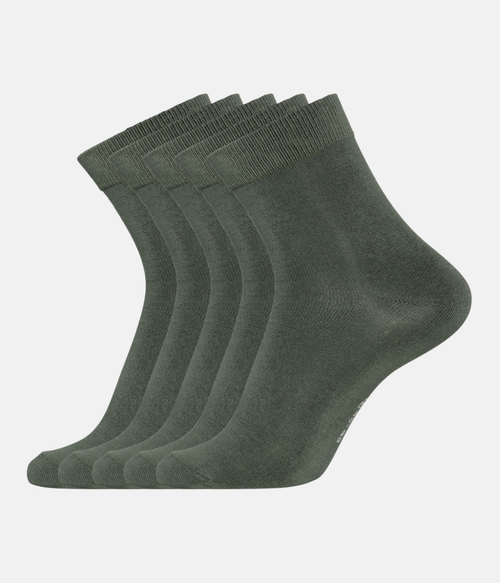
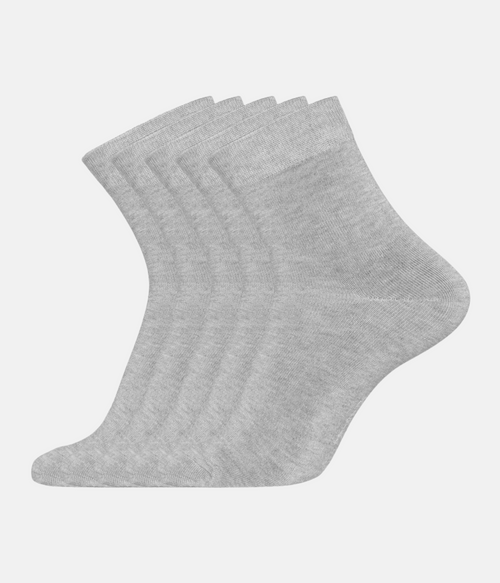
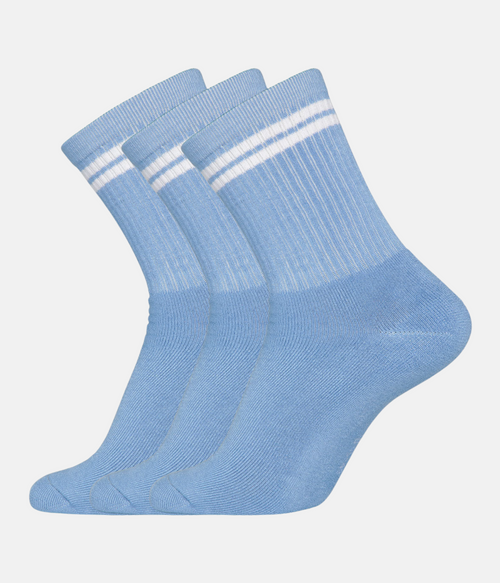
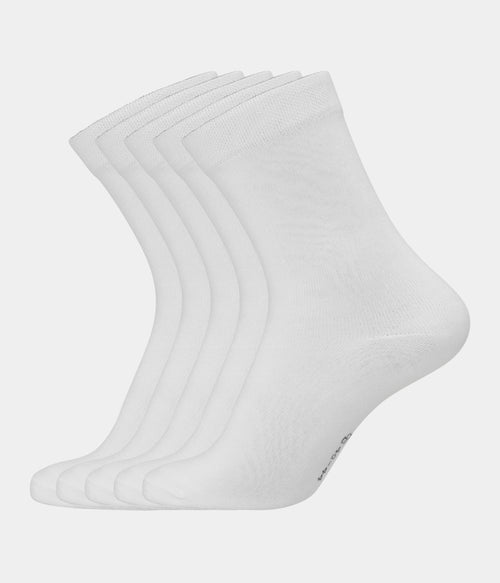
A waist can be measured high or low, and the chart does not say which. Some measure at the navel, others at the narrowest point, others where trousers usually sit. The difference can be several centimetres. If the chart does not say where, you cannot know if your number matches. See socks for men and women.
Body or garment measurements
A chart may show body measurements or garment measurements, and it is not always clear which. Body measurements tell you which body a size suits. Garment measurements tell you how big the piece is lying flat. Mix the two up and you can end up a whole size off. Look for a line above or below the chart.
How to read a chart properly
Start with your own measurements and find the size they match. Then read the fit description to see whether the cut is close or loose. Check the fabric composition for stretch. Finally, see whether the chart explains where it was measured. With those four steps the chart becomes a tool rather than a final answer.
Frequently asked questions
What does a size chart leave out
The cut, the stretch of the fabric and where on the body it was measured. All three change how the numbers should be read and which size fits best.
Why does the cut matter
Because two models with the same chest width can fit completely differently. A slim fit and an oversized cut do not share a fit, even with the same numbers.
Where do you find that information
In the product text. Fabric composition and a description of the fit usually sit above or below the size chart itself.