What is worth saving on
Sep 20, 2026
Short answer: Save on what you use rarely, what is not seen and what does not touch the skin. That is where quality matters least for comfort and lifespan, and the money does more good elsewhere.
Rare use means little wear
An item worn five times a year hardly wears at all, whatever its quality. It is rarely washed, and the fabric never gets thin. There is little point paying extra for durability you will never need. Compare that with a bamboo bra, which is worn daily and has to stand up to much more.
Outer layers are seen but not felt
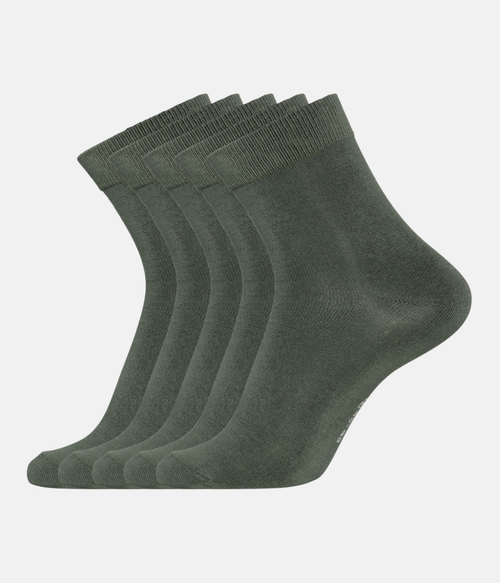
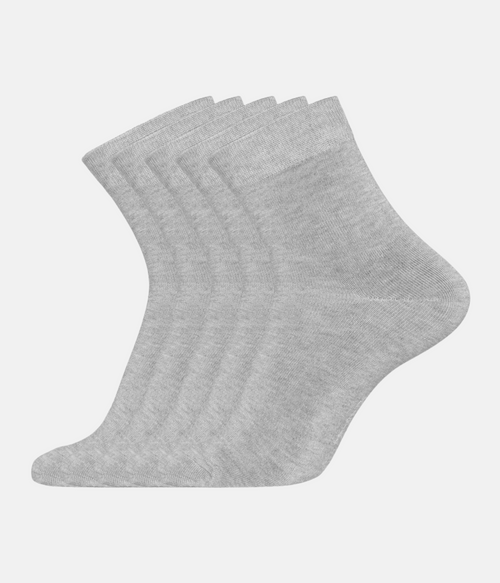
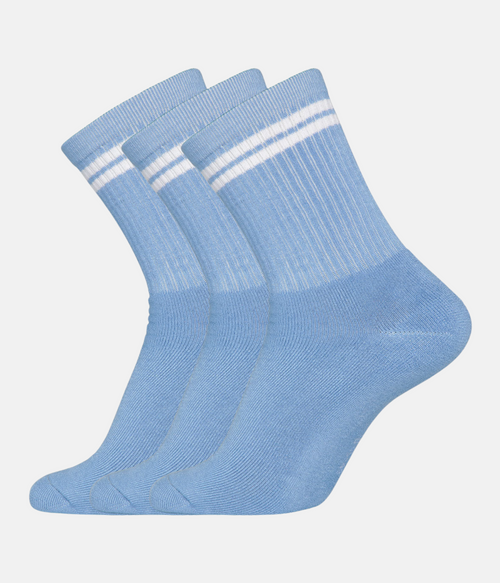
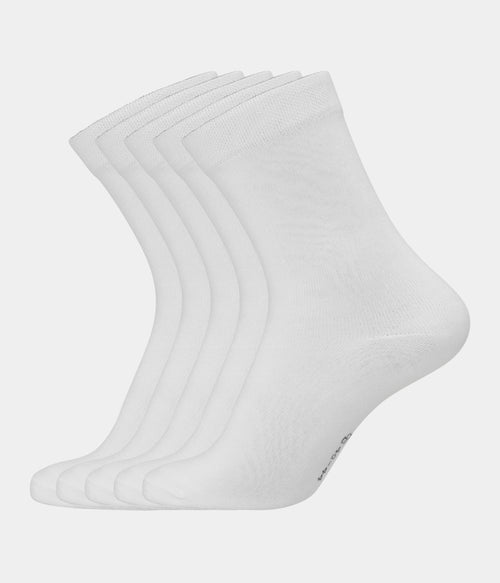
A layer that does not touch the skin can be cheaper without affecting comfort. A seam that is not quite flat or a slightly rougher fabric is not felt through a base layer. That does not apply to socks for men and women, which sit directly against the skin every day.
Buy cheap for what gets ruined
For gardening or painting it does not matter whether an item lasts ten years. It will get dirty, torn or stained anyway, so good money is wasted on it. Use old clothes or cheap pieces for jobs like that. Save the good pieces for everyday life, such as a long sleeve bamboo T-shirt.
What you should never save on
Underwear, socks and anything against the skin every day are where quality matters most. They are washed often, worn for many hours and wear quickly if the fabric or seams are poor. Here it is better to buy fewer pieces of good quality than many cheap ones that soon need replacing.
The difference shows after many washes
Cheap is not always worse, but the difference often shows after twenty to fifty washes. A cheap item can look fine at first, then the fabric thins, the colour fades and the shape goes. For rare use that matters little. For daily use it means buying again far more often.
Look at the content, not just the price
Whether a cheap item is good enough is best judged by fibre content and seam type rather than price alone. Some cheap items are well made, and some expensive ones are not. Read the description and think about what the item is for. That way you save in the right places.
Save on quantity, not quality
Another way to save is to buy fewer pieces. Many people own more clothes than they wear, and a smaller wardrobe of pieces that go together can cover the same needs. Then you can spend on better quality for everyday wear and still stay within budget. Fewer pieces also means less laundry.
Make your own split
Divide your clothes into three groups: what sits against the skin, what is worn regularly and what is worn rarely. Spend most on the first group and least on the last. It is a simple rule that helps you prioritise and makes it easier to turn down costly purchases that make no sense.
Frequently asked questions
What should you never save on
Underwear, socks and anything against the skin every day, because it is washed often and felt all day.
Is cheap always worse
No, but the difference shows after twenty to fifty washes, when the fabric starts to thin.
How do you know if something cheap is good enough
Look at fibre content and seam type rather than price alone, and think about how often the item will be worn.