What sunlight does to colour
Sep 20, 2026
Short answer: Ultraviolet light breaks the chemical bonds in the dye, and the molecule loses its ability to absorb light. The colour turns lighter and eventually greyish. The process cannot be reversed, so the goal is to avoid it from the start.
Why we see colour at all
A dye molecule is built to absorb certain parts of light and reflect the rest. What is reflected is the colour we see. A blue fabric, for example, absorbs most of the red and yellow light. As long as the molecule is intact, that works. But each time it absorbs light, it also takes in a little energy.
Light destroys the molecule
A dye molecule absorbs light, and that energy can break the bond inside it. Ultraviolet light carries the most energy and does the most harm. Once enough molecules are broken, it shows as fading on bamboo sweatpants for men, usually first on knees and thighs when you sit outdoors.
Wet fabric is most exposed
Water carries light deeper into the fibre and raises the chemical activity around the dye molecule. That is why a bamboo tank top for men should dry in the shade and not hang wet in the sun, even for a single afternoon. Quick drying on a sunny balcony is exactly when colour is most vulnerable.
How fast it happens
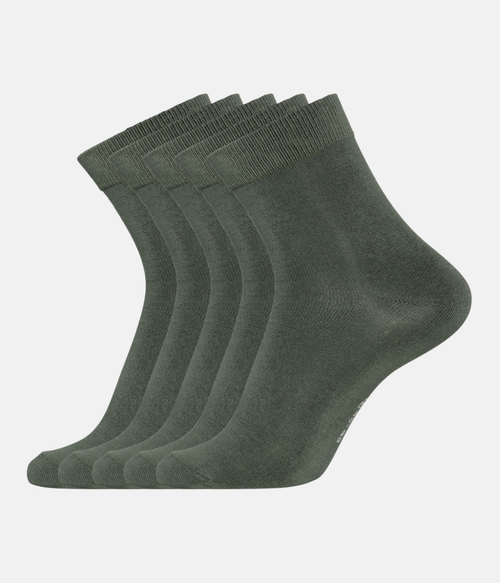
A full day in strong summer sun can cost more colour than a month of normal washing at thirty degrees. That is especially true for dark items like socks for men, where the loss shows straight away. Dark shades hold a lot of dye, and even a small loss creates a visible difference.
Which colours lose most
Dark and strong colours show fading most clearly, because there is more to lose and the change stands out. Black can turn brownish or grey, navy can drift towards purple, and red towards orange. Pale pastels fade too, but the change is harder to spot because the colour is soft already.
How to dry without fading
Hang laundry indoors or in the shade, and turn it inside out so the front is not hit directly. Take it down as soon as it is dry. If you dry outside in summer, pick a shaded side of the house or the early morning hours. Clothes still dry, just a little more slowly.
Sun in everyday life
Drying is not the only factor. Clothes you wear in the sun also fade, just more slowly because they are dry. If you lie on a sun lounger in the same top every summer, the shoulders may turn lighter than the rest. Rotate between several pieces so the light is shared.
Frequently asked questions
Can faded colour be restored
No, the molecules are broken down and do not come back. You can dye the garment again, but the original shade cannot be recreated, so prevention is the only route.
Does white bleach too
White can turn yellowish, because the optical brightener in the fabric breaks down in sunlight. So white clothes should also dry in the shade, even though many think the sun makes them whiter.
Does drying indoors help
Yes, it removes the problem entirely. Indoors there is not enough ultraviolet light to harm the colour, especially if the laundry hangs a little away from the window.