What the country of origin on the label means
Sep 20, 2026
Short answer: The country of origin shows where the item was last substantially processed, which is usually where it was sewn. It does not say where the fibre or fabric came from. Here is what the country on the label tells you, and what it does not.
The country names one place
The country of origin tells you where the item was last substantially processed. That is one place in a longer chain, not the whole story of the garment. The label gives you a single country, even though an item may have passed through several steps before it reached the shop and then you.
Sewing decides the country
Usually it is the sewing that decides which country appears on the label. That is where the fabric becomes the finished garment, so the last substantial step counts most. The country on the label is therefore normally the country where the item was sewn, not necessarily where earlier work took place.
The fabric can come from elsewhere
The country of origin does not say where the fibre or fabric came from. A top made of fabric from one country and sewn in another gets the country where the sewing happened. The fabric can have a very different history from the garment itself, and the label does not show it.
An example with undershirts
Picture an undershirt whose fabric comes from one country and which was sewn in another. The label names the country of sewing. That also applies to bamboo undershirts for men, where the country on the label tells you about the sewing. To learn more about the fabric, look for the details somewhere other than the label.
What the country does not tell you
The country says nothing about quality, working conditions or how far the item has travelled. A given country on the label is neither a promise of something good nor of something bad. It is only a statement of where the sewing took place. You cannot work out from the country alone how the item was made.
It applies to all clothing
The rule is the same for all clothing. It applies just as much to a bamboo jogging suit as to any other garment: the country on the label shows where the item was last processed, and no more. The country alone therefore does not tell you how two items differ, whether it is a top, a set or something else.
Certificates say more than the country
Certificates and supplier information say more than the country, but they are rarely on the label. If you want to know how an item came to be, that kind of information can give answers. The label in a garment is short, so it is not the place to find the whole story.
Ask the retailer
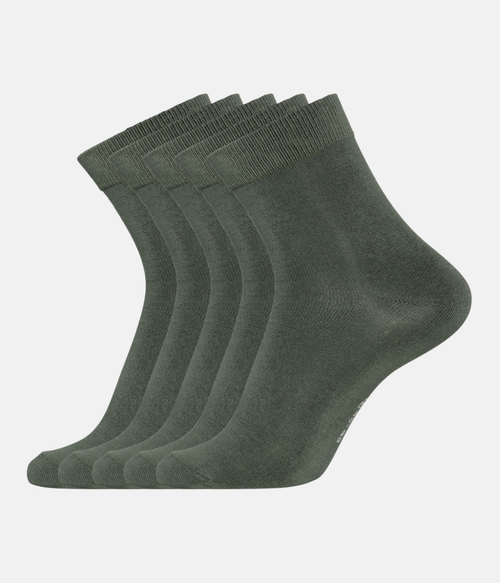
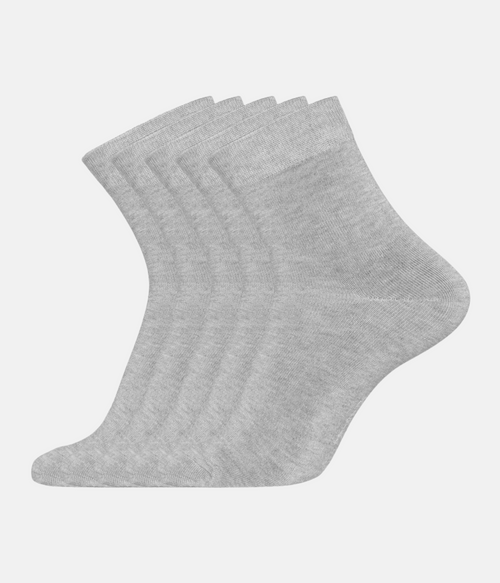
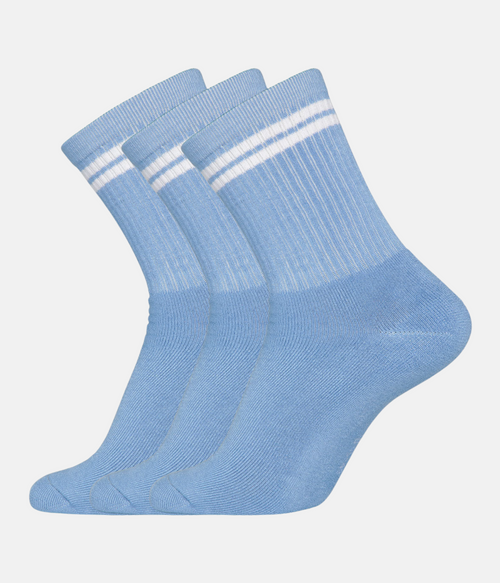
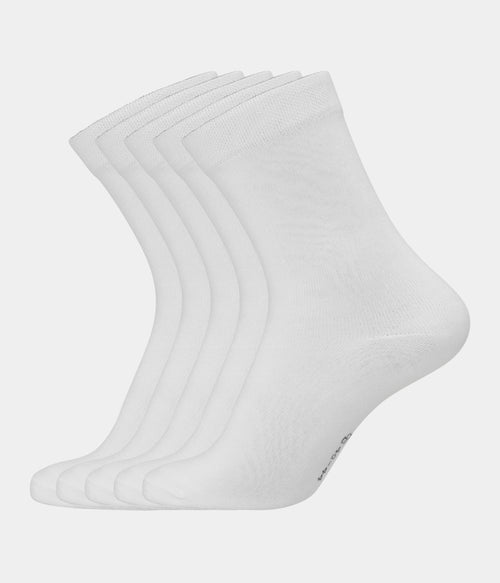
If you want to know more, the retailer is the place to ask. That goes for every item, including socks for men. The retailer can say more about the item than the label, which only names the country of the last substantial processing. Say what you would like to know, and ask directly if the short answer on the label is not enough.
Frequently asked questions
Is the country of origin mandatory in the EU
No, it is voluntary for textiles in the EU, but many brands state it anyway. That is why some items show the country on the label while others do not.
Can the country change between two series
Yes, if production moves. That does not necessarily change the item, since it is still the same item, only sewn in a different place, and the label then names the new country.
Does the country say anything about the fit
No, the fit follows the pattern, not the country. The country only tells you where the item was sewn, and the pattern decides how the item sits on the body.