What weighs most in a clothing footprint
Sep 20, 2026
Short answer: The number of new garments matters most in clothing consumption, followed by how long they are worn. Washing, drying and packaging can be measured, but they are small numbers next to those two.
Production is the heavy part
Every new garment needs fibre, spinning, dyeing, sewing and transport before it hangs in your wardrobe. That is where most of the footprint sits, whatever the material. So the first question is always how many new items come through the door in a year. This applies to everything in women's most popular and the rest of the wardrobe.
Wear time spreads the load
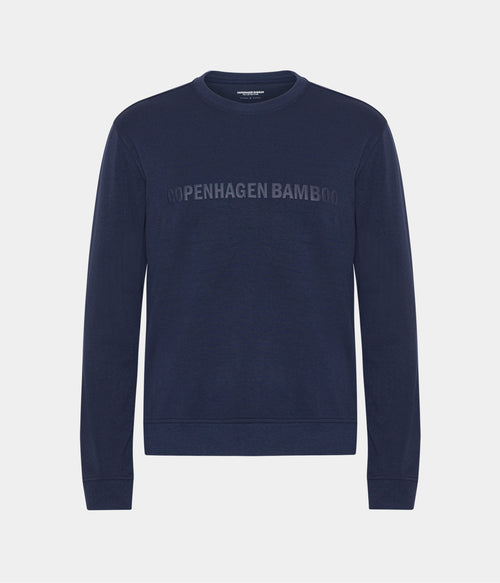
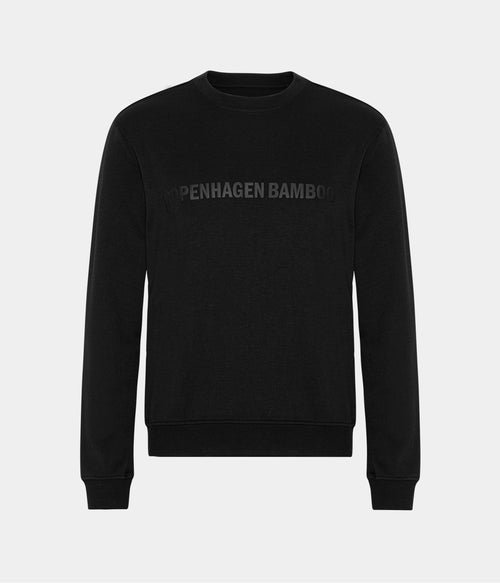
A garment worn a hundred times spreads its production over a hundred days of use. A garment worn five times carries the whole load on five days. That is why wear time matters almost as much as the purchase itself. It also applies to a bamboo sweatshirt for women, which tends to be pulled on again and again because it feels comfortable.
The rest are small numbers
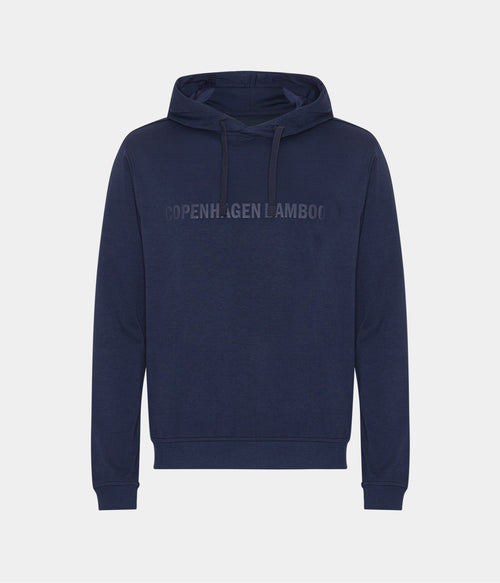
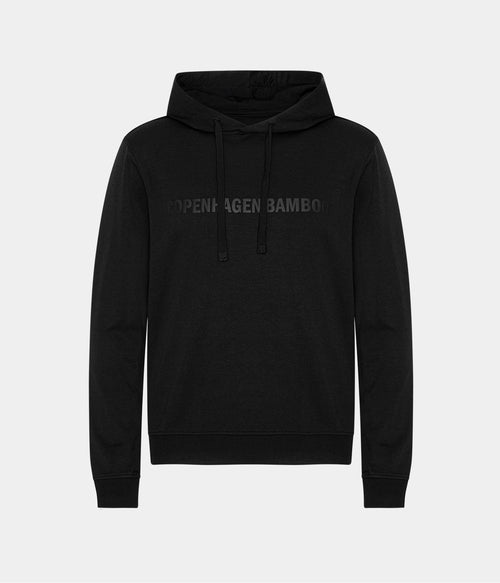
Washing, drying and packaging are measurable, but they are fractions of what producing a new garment requires. That does not make them irrelevant, it just puts them after the two big items. See all most popular from Copenhagen Bamboo as an example of clothing meant to be worn long and often.
Why the number weighs most
Five new jumpers a year means five rounds of production, however carefully they are washed afterwards. Buying one item fewer therefore does more than switching detergent or programme. It sounds simple, and it is. The hard part is noticing the small purchases that add up over the course of a year.
What extends wear time
Clothes get worn for a long time when they fit, feel comfortable and go with the rest of the wardrobe. A piece you look forward to wearing gets taken out again. A piece that pinches or itches stays in the drawer. Choose size and fit with care, and try clothes on properly at home before cutting off the tag.
Wash with care
Although washing is a small item, it affects how long clothes last. Low temperatures, a full machine and washing inside out protect both colour and fabric. Hang clothes to dry instead of using a tumble dryer, and the fibres wear less. That gives each garment more good wears, spreading its production over even more days.
Packaging is the smallest part
Bags and boxes fill the bin, so they are easy to notice. In the overall picture, though, they are a fraction of what the garment itself requires. Combine several purchases into one order where you can, so there are fewer shipments. It helps a little, but the big lever is still the number of items and how long they are worn.
A calm starting point
You do not need to calculate everything to make a difference. It is enough to remember the order: first the number of new items, then wear time, and finally the rest. Buy what you know you will wear, look after it and wear it until it is worn out. Then the most important things are already in place.
Frequently asked questions
What matters most
The number of new items and how long they are worn. Those two outweigh everything else combined, so that is the place to start.
How much does washing matter
Some, but far less than producing a new garment. Washing matters mostly indirectly, because gentle washing helps clothes last longer.
What can you do yourself
Buy fewer items and wear them longer. Choose clothes that fit and feel good, so they get worn again and again instead of sitting unused.