When to replace rather than add
Sep 12, 2026
Short answer: There is a difference between buying one more piece and replacing one. The first expands your wardrobe, the second keeps it going. Most people do too little of the second and end up with a drawer full of pieces that no longer do their job.
Replace when the function is gone
A loose waistband, worn thin fabric or holes mean replacement, not adding more. Underwear that slides down or no longer sits where it should does not improve because a new piece joins it. The old one has to go, and the new one takes its place, see bamboo boxers.
Add more when you run out
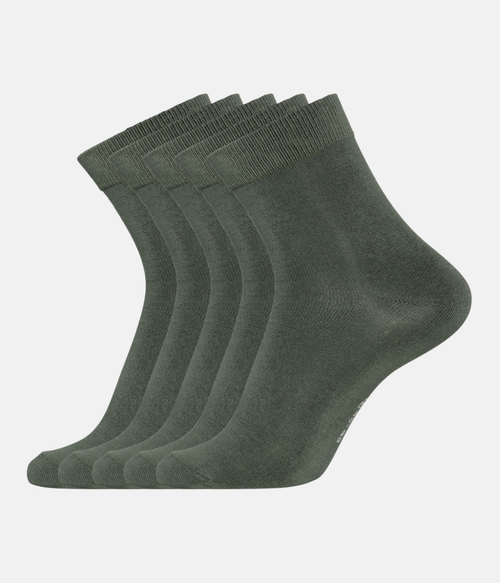
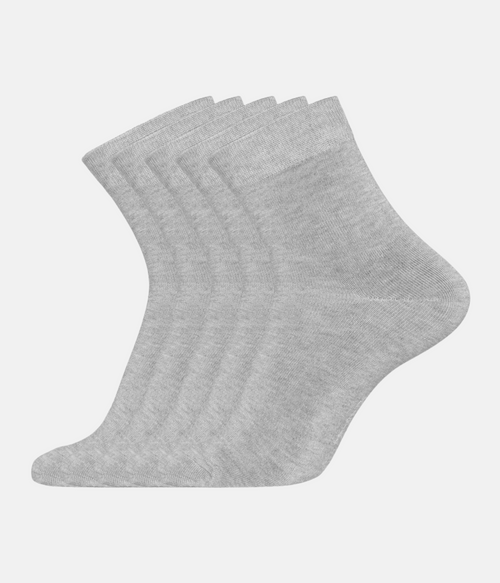
If you run out of clean clothes before laundry day, you need more, not new. What you have is still good enough, there just is not enough of it to cover a whole week. Count how many you use between two washes and buy the number that is missing, see bamboo socks.
Wait to add if you do not wear what you have
If you own pieces you never put on, more of the same kind will not solve the problem. First find out why they are left in the drawer. Do they fit badly, is the colour hard to match, or do they not suit your daily life? The answer tells you what you really lack, see bestsellers for women.
The signs that something is worn out
Wear comes gradually, which is why people notice it late. The waistband goes slack, the fabric turns see through where it stretches most, and the seams start to loosen. Hold the piece up to the light and pull gently at the waistband. If it does not spring back, it has done its job.
Why we hang on to old pieces
Many people keep worn clothes because they can still be put on. But a piece you can put on is not the same as a piece that does its job. It takes up space in the drawer and is usually chosen last, when everything else is in the wash.
One in, one out
A simple rule is that every time you buy a piece to replace something, the old one goes the same day. That way the drawer does not grow, and you do not keep wearing the worn piece out of habit. The rule also makes it clear whether you are replacing or adding when you buy.
Look at everything at once
Now and then, lay out all your underwear and socks. Sort them into three piles, namely what is good, what is worn, and what you never wear. The first pile is your real wardrobe. The second needs replacing. The third tells you what not to buy more of.
Buy what you know works
When you replace something, it makes sense to choose what you already know fits. You know the size and the cut, and you know how it has held up. That saves you from trying something new that may end up in the pile you never wear. You can try new things when you add instead.
Frequently asked questions
When should you replace rather than add
When the old piece no longer does its job. A loose waistband and thin fabric do not come back, and putting a new piece next to it will not help.
When does it make sense to add more
When you run out before laundry day. Then you are short on quantity, not quality, and what you already own can easily be worn a while longer.
Can you tell when underwear is worn out
Yes, the waistband goes slack and the fabric gets thin where it stretches most. Hold it up to the light and you can often see it straight away.