Which fibres shed the most
Sep 20, 2026
Short answer: Short fibres come loose more easily than long ones, and loosely twisted yarns shed more than tightly twisted ones. This applies across materials. The age and surface of the fabric also matter a great deal.
Short and long fibres
A yarn is made of many fibres twisted together. Short fibres have fewer points to grip, so they slip out more easily when fabric is bent, stretched and washed. Long fibres are wound into each other over a greater length and stay put better. That is one of the main reasons different fabrics shed different amounts.
The twist of the yarn matters
A tightly twisted yarn holds its fibres firmly, while a softly twisted yarn lets them slide out over time. That is why dense knits such as bamboo boxers shed less than loose ones. A soft twist gives an airy, pleasant fabric, but it also gives the fibres more freedom to work their way out.
Fabric age matters most
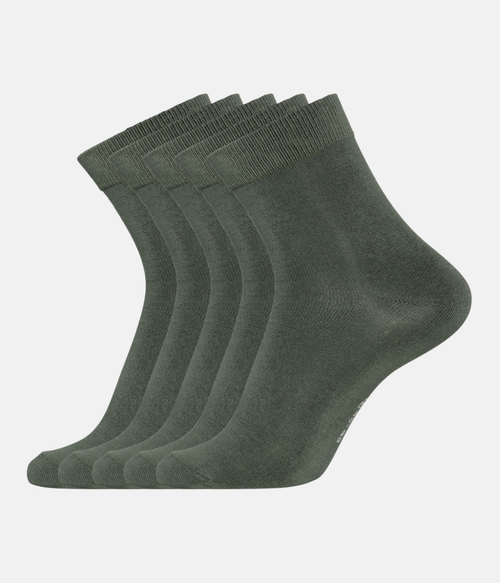
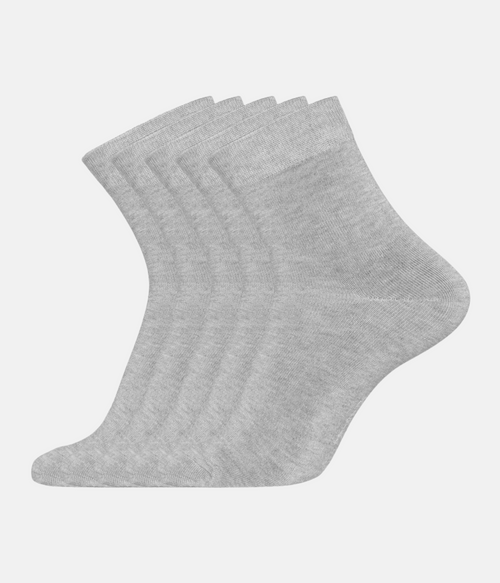
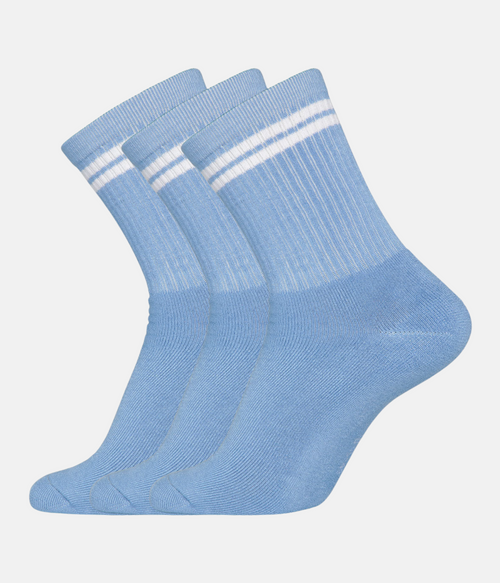
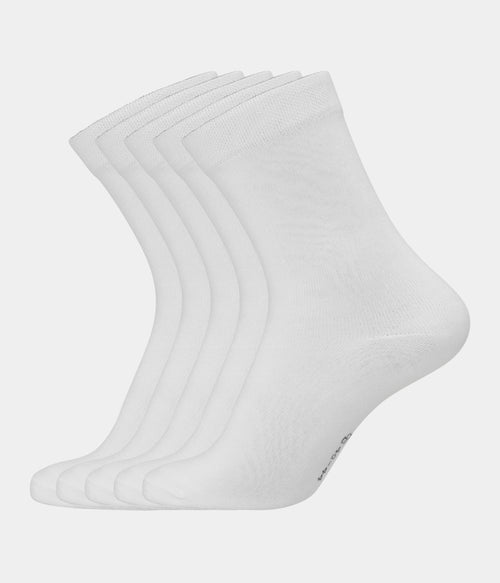
New fabrics shed the most fibres, and after ten washes the amount drops markedly. At first there are many loose ends from production, which rinse out in the early washes. This also applies to socks for men. Seeing more lint at the start is completely expected, and it fades on its own.
The surface plays a part
A brushed fabric has many times more loose fibre ends than a smooth fabric of the same material. Brushing deliberately pulls fibres to the surface for a soft, warm feel, but those ends are easily torn loose. Compare smooth and brushed items among our most popular pieces and feel the difference.
Dense or loose knits
How tightly a fabric is knitted also matters. In a dense knit the yarns hold each other in place, so there is less movement when the garment is worn and washed. A loose knit is airier and stretches more easily, but the yarns rub against each other more. Over time that means more wear and more fibres.
Friction while wearing
Fibres do not only come loose in the washing machine. When clothes rub against skin, other clothes or a bag, the surface wears too. Areas with lots of movement, such as under the arms and between the thighs, wear fastest. After a while you often see small bits of lint or early pilling there, especially on soft fabrics.
How to reduce shedding
Wash on a gentle cycle, at a low temperature and with room in the drum. Turn clothes inside out so the outer face gets less friction. Let them air dry when you can. This keeps the surface smoother and fewer fibres leave with the water. They are small habits, but over many washes they make a clear difference.
Check the lint filter
If you have a tumble dryer, the lint filter works as a simple gauge. It shows exactly what came off your clothes while drying. Compare a new item with an older one, or a smooth one with a brushed one, and you will quickly see the difference. It gives a good picture of which fabrics shed the most.
Frequently asked questions
Do natural fibres shed less than synthetic ones
They shed fibres too, but they break down differently in nature. The amount depends more on fibre length, twist and surface than on the material alone.
When does the amount drop
After five to ten washes for most fabrics, once the loose ends from production have rinsed out.
Can you see the fibres
The lint filter in a tumble dryer shows exactly what came off, which gives a good picture of how fabrics differ.