Why air between the layers keeps you warm
Sep 20, 2026
Short answer: Still air is a very poor conductor of heat, and that is exactly why it keeps you warm. Clothing warms you by holding air close to the body, not by producing heat itself. The more still air a layer can hold, the warmer it feels.
Air is the insulation
A layer of fabric traps a thin layer of air against the skin, and that air carries almost no heat away. The body warms the air, and it stays there like an invisible blanket. That is why two thin layers with air between them are warmer than one thick layer. Try it with bamboo joggers for women over a thin base layer.
Clothing does not make heat
It is easy to think a thick jumper is warm in itself. But fabric produces no heat. All the warmth comes from the body, and the job of clothing is to hold on to it. A layer that cannot trap air will not keep you warm, however thick it looks. It is the air, not the fabric, that does the work.
The air must stay still
When air moves, it carries heat away and the insulation disappears. That happens when wind blows through the fabric or when a loose layer pumps air out with every movement. That is why a close fitting base layer like bamboo panties keeps you warmer than a loose layer in the wind. The air stays where it helps.
Moisture ruins the insulation
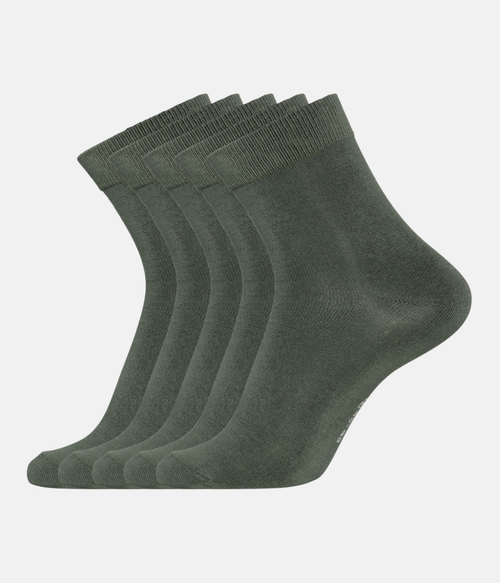
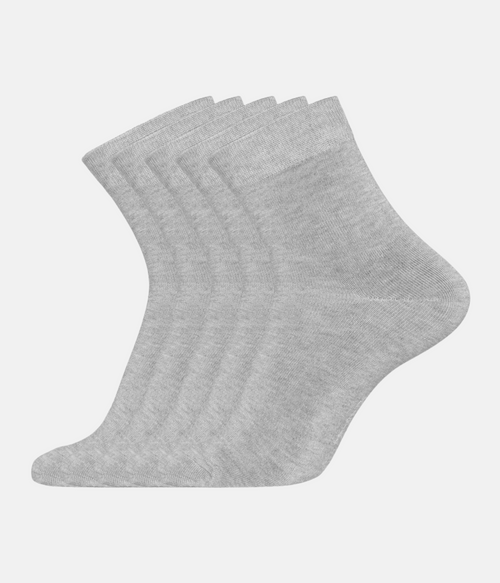
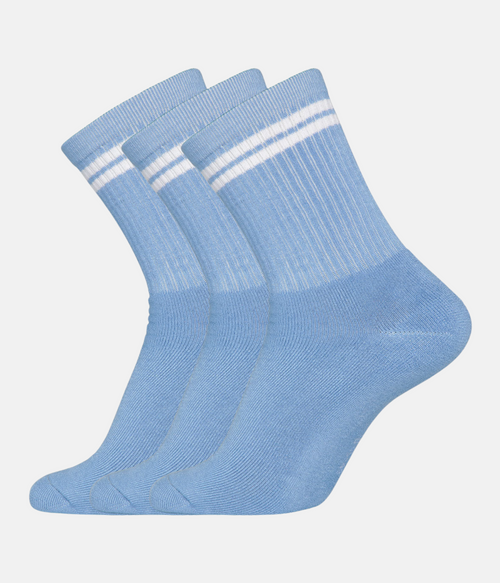
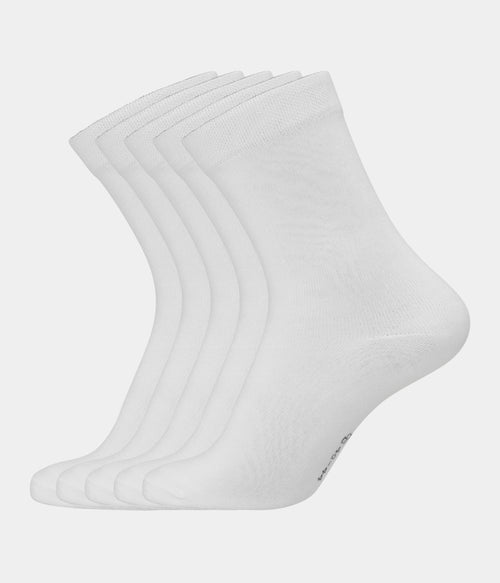
Water conducts heat well, so a damp layer barely insulates. When sweat or rain fills the gaps in the fabric, the still air is pushed out. Then warmth disappears fast. Change into a dry layer after sweating instead of waiting. The same goes for bamboo socks for men and women after a long day.
Thickness is not what counts
A thick fabric is not always the warmest. What counts is how much still air the fabric can hold. A thick but loose knit can let the air escape, while a thinner and denser layer keeps it in. So it is worth feeling the fabric itself rather than judging by how heavy it is.
Wind is the enemy of insulation
You get cold in the wind because it removes the still air that was insulating you. Even a warm layer can feel cold if the wind gets through it. A dense outer layer slows the wind and protects the air in the layers underneath. That is why a thin windproof jacket can make such a difference on a blustery day.
How to build layers
Start with a thin base layer that fits close and can move moisture. Add a mid layer that holds air, and finish with an outer layer against wind and weather. Each layer has its job. You can take layers on and off as you warm up or cool down and keep an even temperature all day.
How much one layer matters
An extra layer can cover a difference of two to three degrees in air temperature. That does not sound like much, but it is often exactly the difference between feeling cold and feeling comfortable. So it makes sense to carry a thin extra layer when the weather is unpredictable, so you can adjust without changing everything.
Frequently asked questions
How much does an extra layer warm you
Enough to cover a difference of two to three degrees in air temperature. The effect is greatest when the layer fits close and is dry.
Are thick fabrics always warmest
No, what matters is how much still air the fabric can hold, not how thick it is.
Why do you get cold in the wind
Because the wind removes the still air that was insulating you. A dense outer layer can slow the wind and hold in the warmth.