Why clothes lie folded rather than hanging
Sep 20, 2026
Short answer: Folded clothing takes up less space, handles shipping better and is not stretched by its own weight. Knitwear should always lie flat, both in the warehouse and in your own wardrobe.
Knit and woven fabric behave differently
Clothing is either knitted or woven. Woven fabric is made of threads crossing at fixed angles, so it gives very little. Knit is built from loops that can stretch out and close up again. That is what makes knit soft and elastic, but it also means it can lose shape when exposed to a steady pull over time.
Weight works on a hanger
A knitted garment that hangs is slowly pulled longer by its own weight. The shoulders are pushed out by the ends of the hanger, and the whole piece becomes a little longer and narrower. This also applies to heavier items like bamboo sweatpants for men, where the waistband carries the full weight. Lying flat spreads the weight evenly.
Why soft fibres are more sensitive
Soft, smooth fibres give more than stiff ones. That is part of why they feel pleasant against the skin. The same softness means the loops stretch more easily when the garment hangs. So it is especially worth folding clothes in soft materials, so they keep the fit you chose them for.
Shipping needs flat parcels
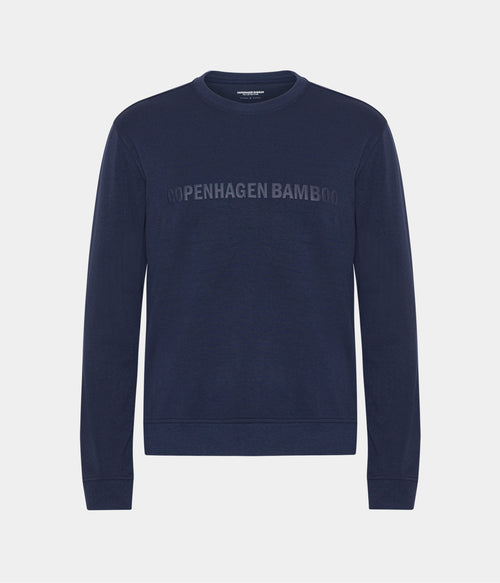
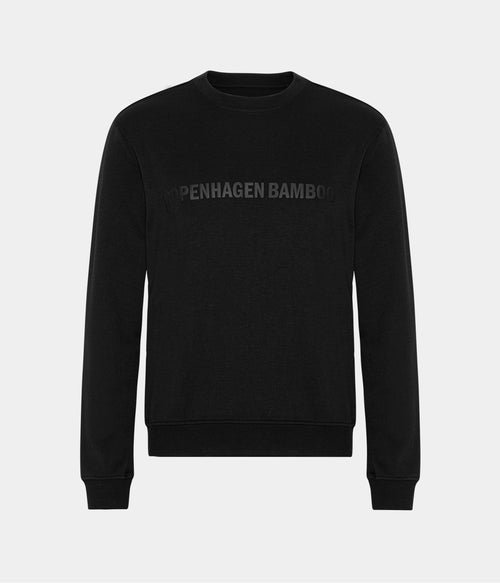
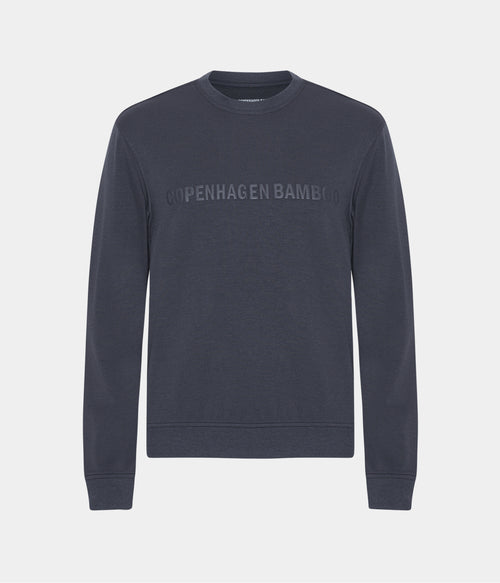
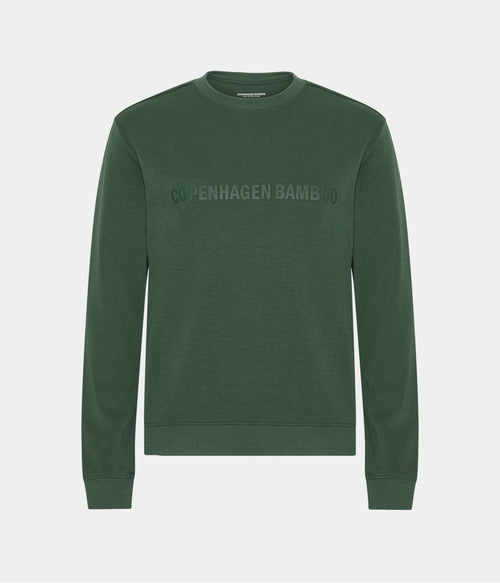
A folded item can be packed tightly with no air in between, which reduces shipping volume considerably. Hanging clothes need rails and plenty of space in a van. That is why a bamboo sweatshirt for men arrives folded. Folding also keeps the item still in the parcel, so it does not slide around or crease.
In the warehouse items sit on shelves
In a warehouse it is easier to pick folded items from shelves than to find them on rails. Each item has its place, and a stack can be counted quickly. It also keeps the item clean and free of dust. For you, it means the garment is ready to go straight into the wardrobe when unpacked.
The same applies at home
Put knitwear on a shelf instead of hanging it, and the shoulders and length will keep their shape. Fold as few times as possible and put the heaviest pieces at the bottom. Browse the men's range for pieces that should lie flat. If shelf space is short, a drawer works well too.
How to fold without sharp creases
Lay the garment flat, fold the sleeves across the back, then fold it once or twice lengthwise. Avoid pressing the stack down hard. Rolling T-shirts and thin pieces helps avoid sharp creases. A garment fresh from the washing machine should dry fully before it is folded and put away.
What can hang
Not everything needs to lie flat. Woven items without stretch, such as shirts and trousers in firm fabric, do well on a hanger because they avoid creases. Use a wide hanger for jackets. The rule of thumb is simple: if the fabric stretches, it should lie flat. If it is firm and woven, it can hang.
Frequently asked questions
What should hang
Woven items without stretch, for example trousers in firm fabric and shirts, which otherwise crease easily in a stack.
Can fold marks be removed
Yes, steam or a wash removes them. You can also hang the garment in the bathroom while you take a hot shower, and the steam will smooth it out.
How high can a stack be
Up to around ten pieces. Beyond that, the bottom ones get pressed flat and pick up clear creases that can be hard to remove.