Why pure fibres are easier to recycle
Sep 20, 2026
Short answer: A fabric made of one fibre can be torn up and spun again without being separated first. That is the simplest form of textile recycling, which gives pure fabrics more options once the clothing is worn out.
What a pure fibre means
A pure fibre fabric is made of one hundred percent of a single material, such as cotton, wool or viscose. No elastane, polyester or other fibres are mixed in. That makes the fabric uniform throughout, which matters when it is later sorted and processed at a recycling plant.
One material, one process
Without a separation step, the fibre can go straight into new production without chemicals. The fabric is torn mechanically, the fibres are combed out and spun into new yarn. This applies to all pure fabrics, including those in women's bamboo tops. The process is simpler, cheaper and more common than the one blends need.
The fibres get shorter
In mechanical recycling the fibres break, so they are often mixed with new fibres to give the yarn strength. This also applies to recycled material in bamboo underwear for women. A fibre cannot be recycled endlessly, but each round keeps some of the material in use.
Compared with blends
A blended fabric must be separated first, which requires a chemical process that is not yet widespread. That is why blends more often end up as cloths or insulation. A pure fabric has more routes open, which is one reason fibre content matters even when the clothing is worn out.
Fibre content is on the label
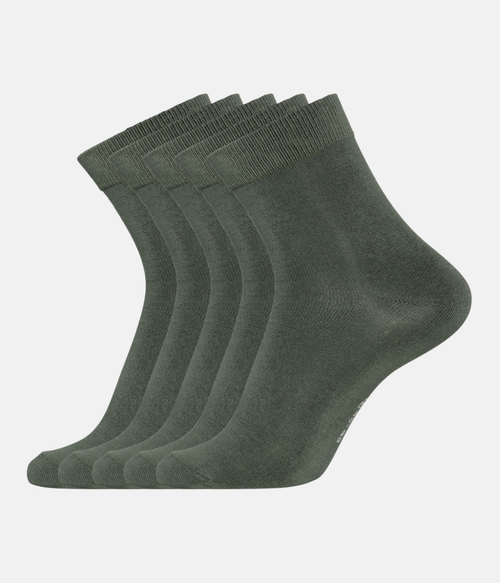
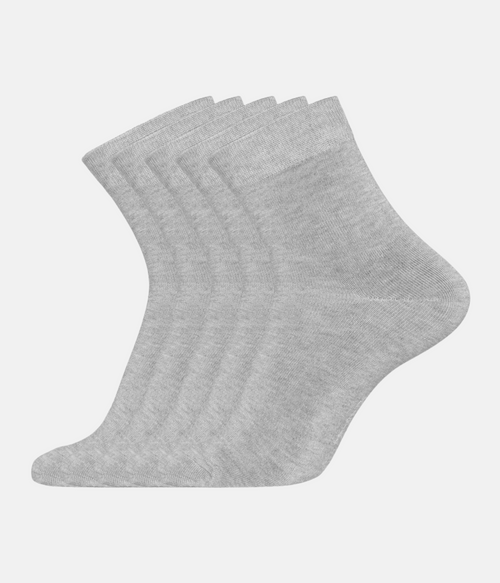
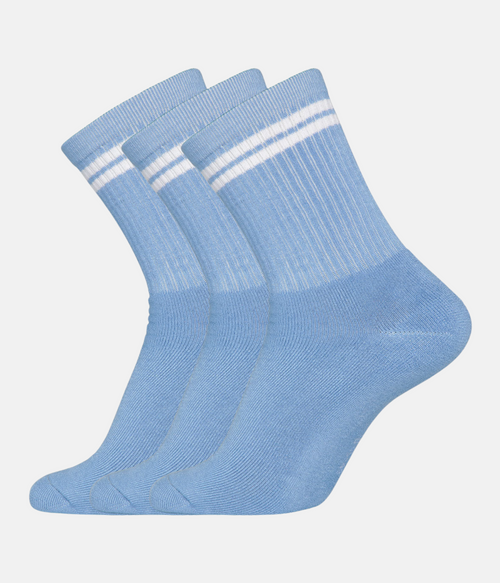
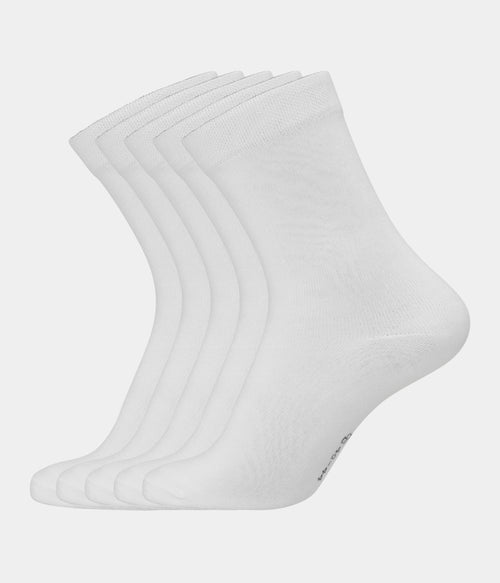
Read the care label to see whether an item is pure or blended before deciding what to do with it. It is also on socks for women and all other clothing. The label shows which fibres are in the fabric and the share of each.
When pure fibre is not possible
Some items need a little stretch to fit well, such as socks and underwear. Here a small share of elastane is often needed for fit. That is not a wrong choice, but it makes recycling harder. For these items, long use and gentle washing are the best way to get the most from the material.
Giving pure fabrics a long life
Pure fabrics can also wear out if treated harshly. Wash at a low temperature, let clothes air dry and avoid the tumble dryer. Turn garments inside out before washing to protect the surface. The longer an item lasts, the later it needs recycling.
Hand it in at the right place
When clothing is finally worn out, hand it in clean and dry at a textile container or recycling centre. There it is sorted, and pure fibres can go on to new production. Put in general waste, it is burned and the material is lost for good.
Frequently asked questions
What is a pure fibre
A fabric made of one hundred percent of one material, with no elastane or other fibres mixed in.
Can fibres be recycled endlessly
No, the fibres get shorter each time and must be mixed with new fibres to be spun into yarn again.
Where can I find the fibre content
On the care label, where it is required by law in the EU. It shows which fibres are used and how much of each.