Why socks get holes at the heel
Sep 12, 2026
Short answer: The heel moves more than any other part of the foot inside the shoe, and the constant friction wears the fabric thin. Holes appear sooner when the sock is too big or when the shoe has a stiff heel counter.
Friction wears more than pressure
With every step the heel slides a few millimetres up and down against the back of the shoe. That friction slowly wears the yarn thin, not the body weight pressing down. Pressure spreads across the whole sole, while friction gathers in one spot.
It applies to every material
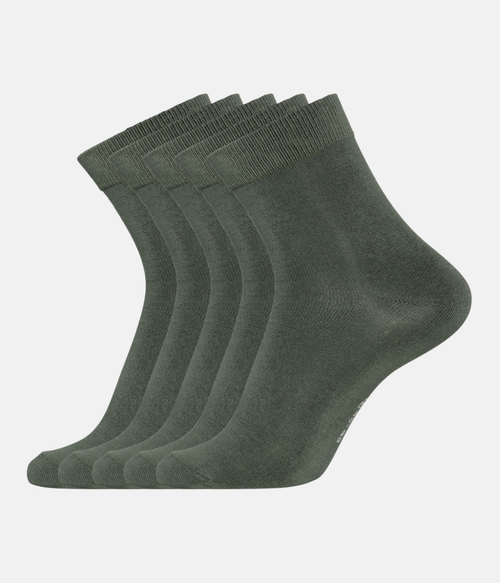
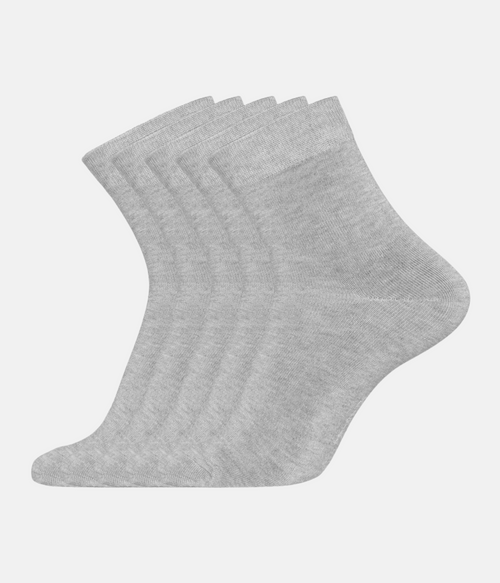
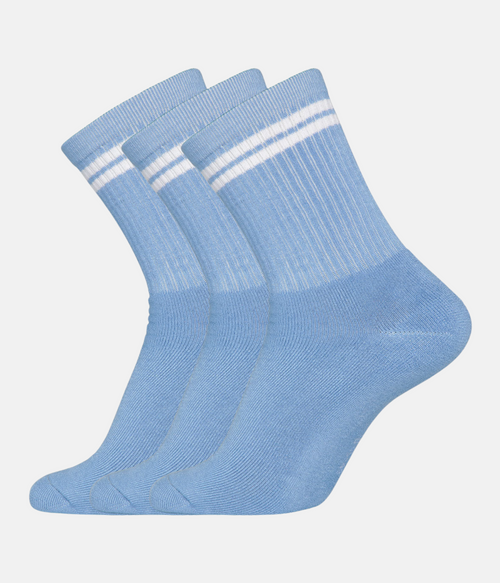
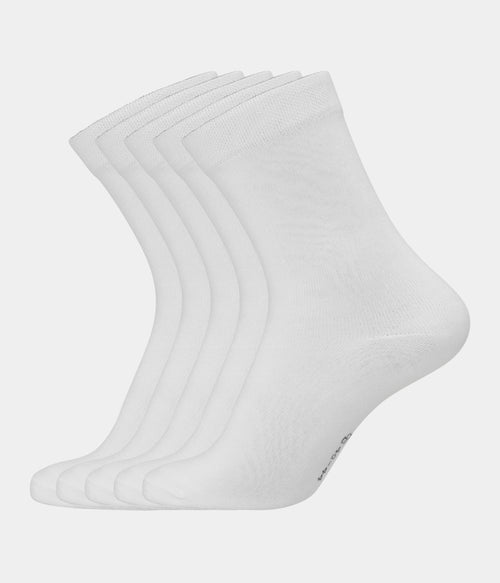
The heel wears out first on almost every sock, whether it is knitted from cotton, wool or bamboo viscose. The material can make the fabric softer and more comfortable, but it does not remove the friction. The same goes for socks for women worn every day.
A sock that is too big wears faster
If the sock is too big, the extra fabric gathers in a fold at the heel. The fold sits exactly where the friction is greatest and takes all the wear on its own. The result is a hole that arrives much earlier than expected, even though the rest looks almost new.
Choose the size precisely
The best thing you can do for the heel is to get the size right. The sock should lie smoothly around the heel, with no folds and without being stretched hard. Look for the range that matches your shoe size when you choose from socks for men and women.
The heel counter matters
A hard or stiff heel counter rubs more against the heel than a soft one. New shoes are often the worst until they have shaped themselves to the foot. If your heel slips a lot in a shoe, better lacing or an insole can keep the foot more in place.
The worn insole
A worn insole gives the foot more room to move, and that increases the friction at the heel. Check the insoles in the shoes you wear most. If the insole is flat and smooth, a new one can make a clear difference to both comfort and the life of your socks.
Rotate between two pairs of shoes
Shoes worn every day never dry out completely, and damp fabric wears faster than dry fabric. If you switch between two pairs, both shoe and sock get better conditions. This applies especially to socks for men, which are often worn in the same work shoes.
Your gait plays a part
Some people walk with more movement in the heel than others, and that is rarely something you can change. If your socks always wear in the same place, it is a sign of your gait. Then it matters even more to get the size right and choose shoes that hold the heel firmly.
Washing and drying also count
Fabric that is washed hot and tumble dried becomes weaker over time. The heel is already the most stressed area, so it feels the effect first. Wash at 40 degrees, turn the socks inside out and let them air dry, and the yarn will last longer, heel included.
When it is time for new ones
When the fabric at the heel is so thin you can see through it, the hole is close. Many people replace the whole set at once so every pair is the same age. It also makes it easier to keep track of which socks go with which shoes.
Frequently asked questions
Can the heel be reinforced
Many styles have extra fabric in the heel and toe from the factory. It is the simplest protection against early holes, because the most stressed area has more yarn to wear through.
Does it help to rotate the sock
A little. The wear is spread differently when the sock sits slightly shifted, but the friction does not go away. It is better to get the size right and rotate your shoes.
How long should a pair last
With weekly use a pair typically lasts one to two years, depending on shoes, gait and washing. If you wear several pairs in rotation, the wear is spread and each pair lasts longer.