A closed loop in production, what it means
Sep 12, 2026
Short answer: A closed loop means that chemicals and water from production are collected and reused instead of being released. It is a technical feature of the plant, not of the fibre, and so it cannot be seen in the finished fabric.
What a closed loop is
In an open system, chemicals are used once, then treated to a greater or lesser degree and released. In a closed system, they are instead collected, cleaned and sent back into the process. The more that is returned, the less has to be added from outside. The principle is simple, but it takes equipment and ongoing control to make it work.
The loop is about the plant
Two factories can make the same fibre from the same raw material with very different levels of recovery. The difference lies in equipment, operation and standards, not in the plant species. The word bamboo alone therefore tells you nothing about how production was done. That is why the production site matters for the items in women's bamboo tops.
What gets recovered
Solvents and water are the two big items. In viscose production it is caustic soda and sulphur compounds that can be collected and recovered. In lyocell production the solvent is reused. The higher the share reused, the less needs to be added and released. In some plants, heat and energy are also passed on from one step to the next.
Why it matters
Chemicals that are released affect water and air around the factory. When they stay in the system, emissions fall and fewer new raw materials are needed. This matters most for the people who live and work close to production. That is why recovery is one of the points most often raised when producers are compared.
Fully closed is rare
The word closed can sound as if nothing escapes. In practice there is always some loss, which is why people often talk about a recovery rate in percent. A plant with a high rate is far from one with a low rate, even if both can call themselves closed to some degree. It is fair to ask how much is actually recovered.
What it does not tell you
A closed loop says nothing about working conditions, wages or safety at the factory. Nor does it say anything about the content, quality or lifespan of the finished fabric. It is one factor among several and should be weighed alongside the others. See the product information on the items in the men's range.
How to find the information
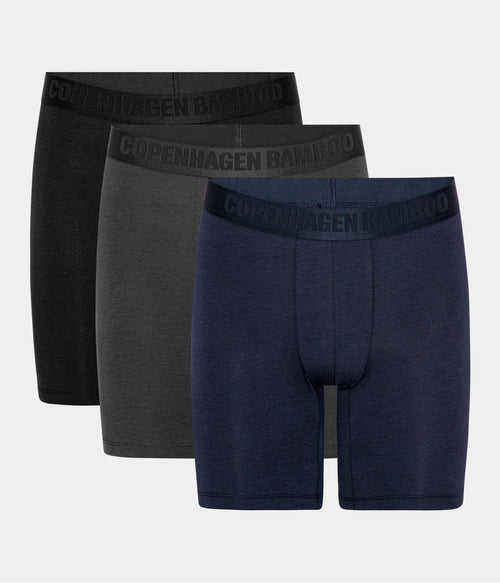
Recovery appears in the producer's information and in any certificates covering production. It is rarely printed on the item itself. Read the product description and whatever the shop tells you about the fibre and its origin. If something is missing, you can ask directly. The same goes for the styles in bamboo underwear for men.
How long clothes last counts too
However the fibre is made, it makes a big difference how long a garment is worn. A piece that lasts many years spreads the impact of production over more days of use. Wash at a low temperature, air dry and skip the tumble dryer. That is the part you control directly, every time you do the laundry.
Frequently asked questions
Is a closed loop the same as lyocell
No. The lyocell process is known for high recovery, but viscose plants can also have systems to collect and reuse chemicals. The level varies from plant to plant.
Can you see it on the product
Not directly. It appears in the producer's information or in certificates for production, not in the fabric, and it is rarely on the label.
Does it mean no chemicals are used
No. It means they stay in the system and are reused instead of being released. Chemicals are still used, but fewer new ones need to be added.