What you can read from a product label
Sep 12, 2026
Short answer: The care label tells you the fibre content in percent, how to care for the item and often where it was made. That is enough to judge comfort, durability and how to treat the garment, as long as you know what to look for.
What a care label is
The care label is the small tag usually sewn into a side seam or at the neck. Fibre information is required by law in the EU, while care symbols and country of origin are usually included because they are useful to you as a buyer. The label is short, but it holds more than you might think. Reading it takes half a minute and can prevent a poor purchase.
Fibres and percentages
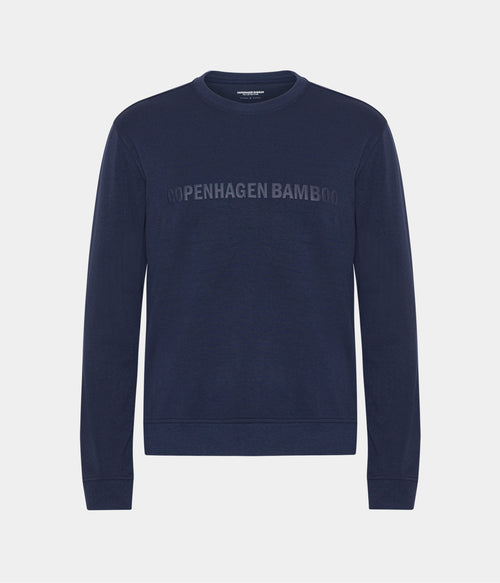
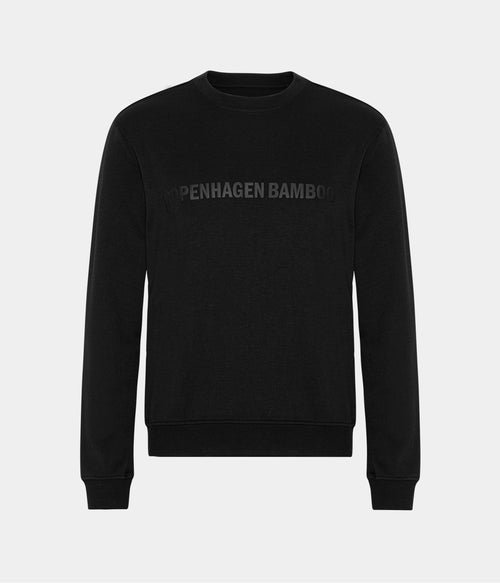
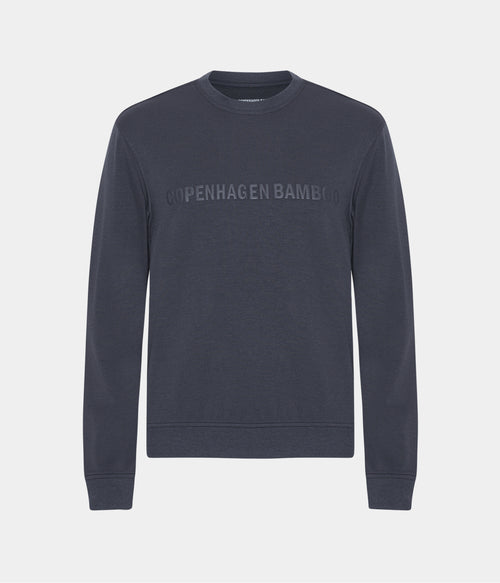
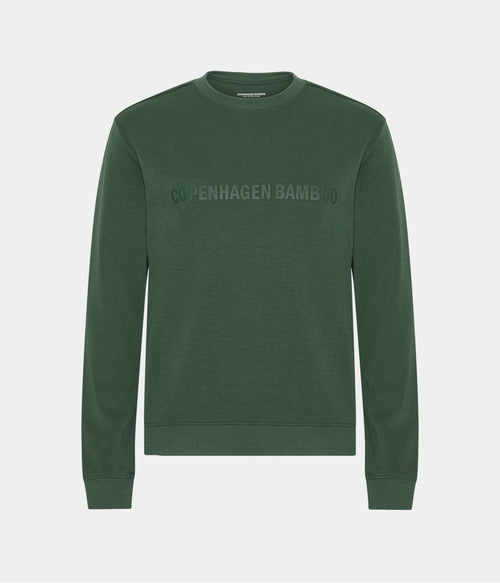
The label shows which fibres the fabric is made of and how large a share each one makes up. If it says one hundred percent viscose, there is no elastane, and the fabric does not fully spring back after stretching. It drapes more freely and can give a little over time. Compare the blends in bamboo sweatshirts for women.
The order tells you something
Fibres are listed by weight, so the one that makes up the most comes first. That gives you a quick overview of what the fabric is mainly made of. A fabric with viscose first and cotton second feels smoother and drapes more softly than the reverse. If many fibres are listed, the fabric is a blend where each contributes its own quality.
What a small percentage means
A small share, usually below five percent, is typically elastane. It adds stretch and helps the fabric return to its shape after wear. In close fitting clothes it is almost always there. In loose sweatshirts and trousers it matters less. A small number can therefore change a lot about how clothes sit through the day.
The care symbols
Temperature, bleaching, drying, ironing and dry cleaning appear as small symbols. They show how much the fabric can take and what may damage it. A tub with a number shows the maximum wash temperature, and a cross means something should be avoided. Follow them and clothes last longer. See care advice for the bamboo sweatshirt for women on the product pages.
Country of origin
Many labels show where the item was sewn. That tells you where the last step in the chain took place, but not the quality itself. A single country has both good and less good factories. If you want to know more about conditions, look for certificates and the producer's own information rather than only the country on the label.
What is not on the label
Fabric weight, fibre thickness, knit density and seam quality are rarely on the label. Yet these are exactly what decide how clothes feel and how long they last. They have to be seen or felt. Look at the seams, feel the fabric between your fingers and hold it up to the light. See the items in the men's range.
Use the label with your senses
The label gives you facts, and your hands give you the rest. Read the fibres and care symbols first so you know what you are getting. Then feel whether the fabric is soft, dense and even. Together that gives a good picture of whether the item suits what you need it for and how best to look after it.
Frequently asked questions
Do fibres have to be listed in a set order
Yes, by weight. The fibre that makes up the most comes first, followed by the others in descending order, so you can quickly see what the fabric is mainly made of.
What does a small percentage mean
Below five percent is usually elastane, which adds stretch and helps the fabric hold its shape. It makes a big difference in close fitting clothes and less in loose styles.
Does the country of origin matter
It says something about the chain, but not about quality itself. For more about conditions, certificates and the producer's information are a better place to look.