A weekly check of what is worn out
Sep 12, 2026
Short answer: Look for holes, slack elastic and thin spots while you fold. A short look each week catches the pieces that would otherwise keep going back into the drawer. It takes no extra time, just a little attention.
Look while it is in your hand anyway
Folding is the only time you touch every piece of clothing. Each item passes through your hands, and a closer look takes only a second more. You do not need to set time aside for a separate check. Make it part of folding, and it happens every week without effort. See men's bamboo undershirts.
Elastic is the first to give out
Elastic in waistbands and sock cuffs is often the first thing to wear. A slack waistband is easiest to spot when the fabric is stretched. Give it a light pull while you fold. If it does not spring back, or the edge shows small ripples, the elastic is giving out. See bamboo socks.
Where to look
Wear shows up in the same places every time. On socks it is the heel and toe. On undershirts it is often under the arms and at the neck. On trousers it is the inner thighs, knees and pocket edges. Once you know where to look, the check takes only a moment.
Thin spots turn into holes
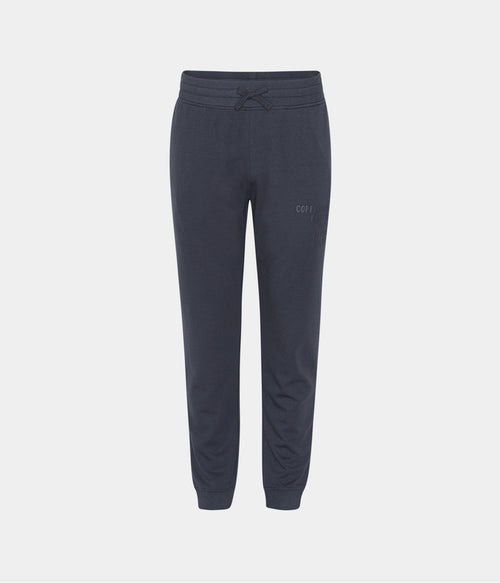
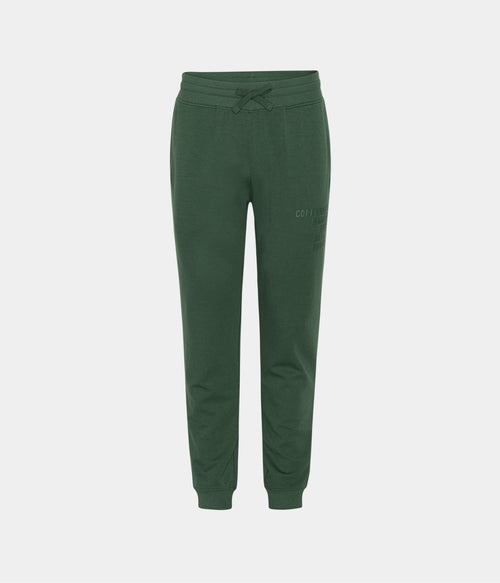
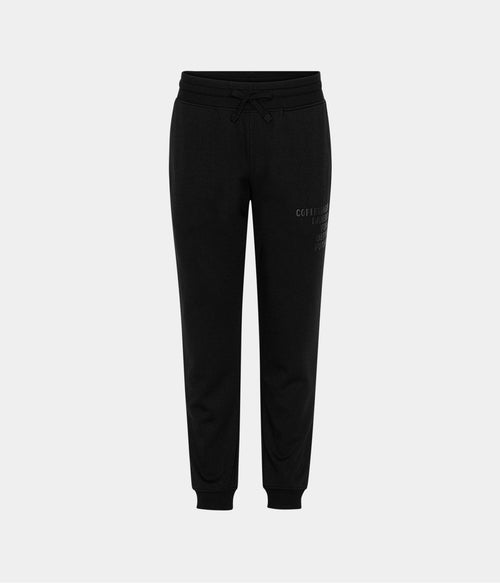
A spot you can see light through rarely lasts another month. Hold the fabric up to a lamp or window, and the thin spots show clearly. Sock heels and the inner legs of trousers in particular wear thin before they tear. See bamboo sweatpants for men.
Why worn pieces stay in the drawer
A worn piece often looks fine folded in the drawer. The wear only shows when the fabric is stretched or held up to the light. That is why it keeps getting worn, and you only notice once you have it on. A weekly look catches it before it becomes a problem on a busy morning.
Decide straight away
When you find a worn piece, decide on the spot. Do not put it back with the idea of looking at it later. If it can be mended, put it in a set place for repairs. If not, take it out. A decision here and now is easier than a pile that grows every week.
One piece at a time
With a weekly check you rarely find more than one or two worn pieces at once. That makes it easy to replace them gradually. You avoid ending up with a whole drawer that wears out at the same time, and you always know what you need.
Wash gently so it lasts
The check also tells you something about how the clothes are treated. If elastic goes slack quickly, too much heat in the wash or dryer may be the cause. Follow the care label and let stretchy pieces dry on a rack. That way waistbands and cuffs keep their shape longer.
Frequently asked questions
When is the best time to check for wear
While you fold. It is the only time you have every single piece in your hand anyway, so the check takes almost no extra time.
What should you look for
Holes, slack elastic and thin spots. Hold the fabric up to the light to see thin spots clearly, and give the waistband a light pull to test the elastic.
Why do worn pieces stay in the drawer
Because they look fine in the drawer. The wear only shows when the fabric is stretched or held up to the light, so they often get worn again.