Bamboo and temperature, what is true
Sep 12, 2026
Short answer: Bamboo viscose does not actively regulate temperature. The fabric moves moisture and conducts heat, and those two things make clothes feel cooler in the heat and drier in the cold. The rest comes down to weight, fit and how you combine layers.
There is no active regulation
A fabric cannot measure your temperature and respond to it. It can only conduct heat and move moisture, and it does so all the time, whether you are cold or sweating. When clothing is described as temperature regulating, those two traits are what lie behind it. That is also what the fabrics in our most popular styles for women do.
Two things the fabric can do
The first is heat conduction. Viscose draws heat away from the skin slightly faster than air does, which is why the fabric feels cool when you put it on. The second is moisture transport. The fibres absorb moisture from the skin and let it evaporate from the outer side. Together, they shape how the garment feels.
In the heat, moisture is key
When it is warm, the body sweats to get rid of heat. Evaporation from skin and fabric carries heat away, so a fabric that releases moisture easily feels cooler. A thin fabric also lets air pass better than a thick one. See the light fabrics in bamboo sweat clothes if you want something soft for mild days.
Fit gives air
Loose clothes let air move between fabric and skin. That helps moisture evaporate and makes the garment feel airier. Close-fitting clothes hold more warmth but can move moisture straight away from the skin. In summer, a slightly looser fit is therefore often the most comfortable, in bamboo viscose too.
In the cold, staying dry is key
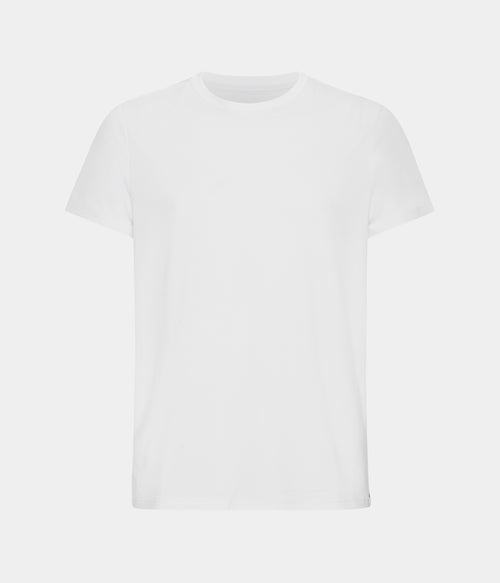
Damp skin loses heat quickly, which is why you feel colder when you are sweaty. A base layer that moves moisture away from the skin keeps you warmer, because the skin stays dry. This matters most when you move between the cold outside and the warmth indoors. See the bamboo undershirts for men, made to be worn under other clothes.
Layer on layer
In winter, the air between layers does most of the insulating. That is why two thin layers often work better than one thick one. The inner layer should move moisture, the middle layer should hold warmth, and the outer layer should protect against wind and weather. With layers, you can also take one off indoors without getting cold.
Weight and season
The weight of a fabric says a lot about how warm it is. A light fabric is airy and dries quickly, while a heavier one holds more air and so more warmth. You can wear the same kind of fabric all year if you choose the weight by season. Thin in summer, and thin as a base layer in winter.
What the word covers
When you see the word temperature regulating, read it as a description of how the fabric feels, not as a technical function. The fabric does not respond to your temperature. It moves moisture and conducts heat, and that is enough for many people to find it comfortable in summer and winter. Fit and activity play a part too.
Frequently asked questions
Is bamboo temperature regulating
Not in a technical sense. The fabric moves moisture and conducts heat, and many people experience that as regulation. It does not actively respond to your body temperature, though.
Can you wear the same fabric in summer and winter
Yes, if the weight is right. Wear a thin fabric in summer and use it as a base layer under something warmer in winter, so your skin stays dry.
What keeps you warmest in winter
The air between layers. That is why two thin layers work better than one thick one, and a base layer that keeps the skin dry makes a clear difference.